

Location
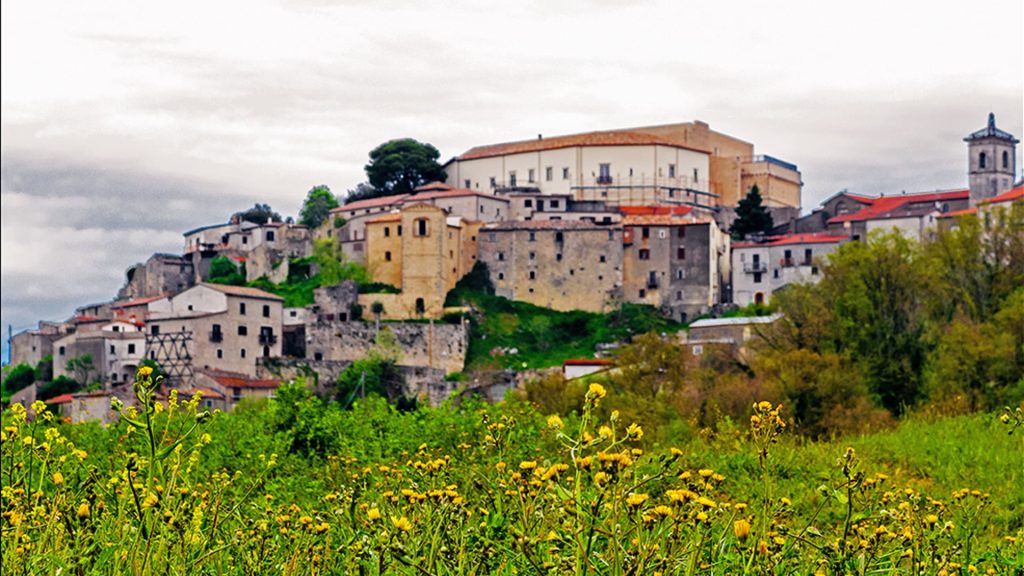
Circello is a small municipality in the province of Benevento. It is located in the interior of the Sannio region, at the foot of Mount Taburno. The village is immersed in nature, surrounded by mountains and hills, near the Matese mountains.
The area, predominantly hilly, is characterized by a strong agricultural tradition, with olive groves, vineyards, and vegetable crops.
Its panoramic position offers a stunning view of the surrounding countryside, and the town is a reference point for those seeking peace and direct contact with nature, far from the chaos of the city.
Not to be missed
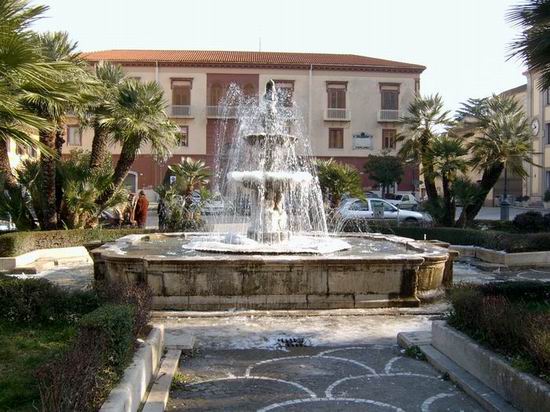
Like many small villages, Circello offers corners of natural and historical beauty. The town has an architectural heritage that reflects its millennia-old history, including churches and traditional buildings. The Church of Santa Maria Assunta, for example, is one of the most significant religious buildings.
The Church of Santa Maria Assunta is the main church of the village: it houses works of art and a structure that dates back to ancient times.
It features a mix of styles that reflect its long history. The original structure dates back centuries, probably with roots in the medieval period or even earlier. Its current appearance shows signs of renovations and modifications that have taken place over the centuries, as is often the case with churches in small villages.
It is a good point of reference for those who wish to immerse themselves in the religious and cultural tradition of Circello, as it represents an identity symbol for the local community.
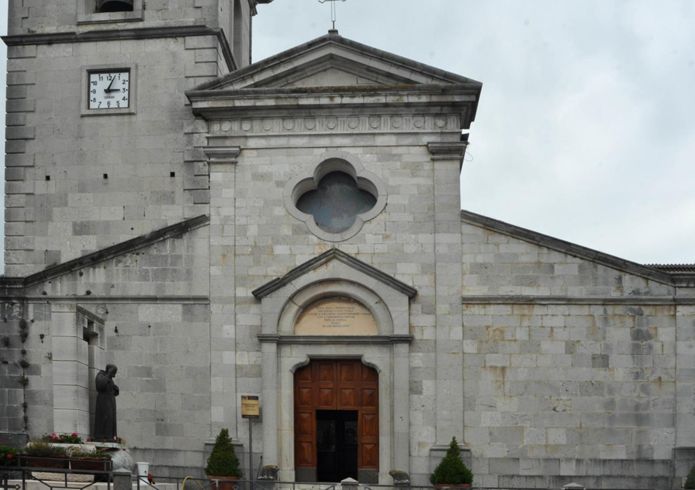
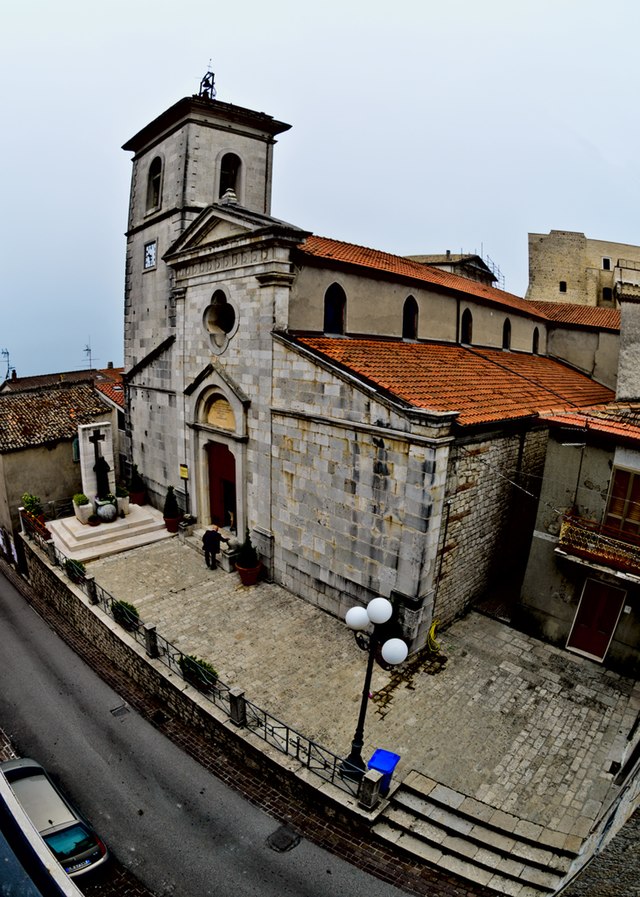
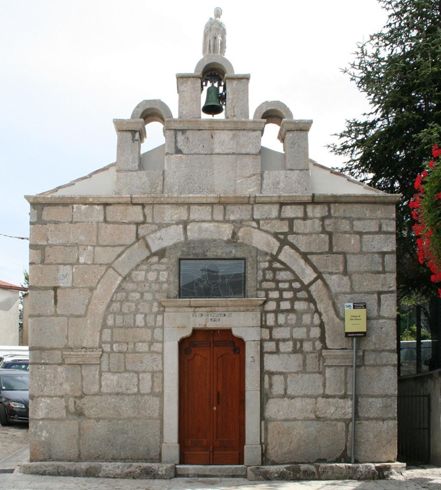
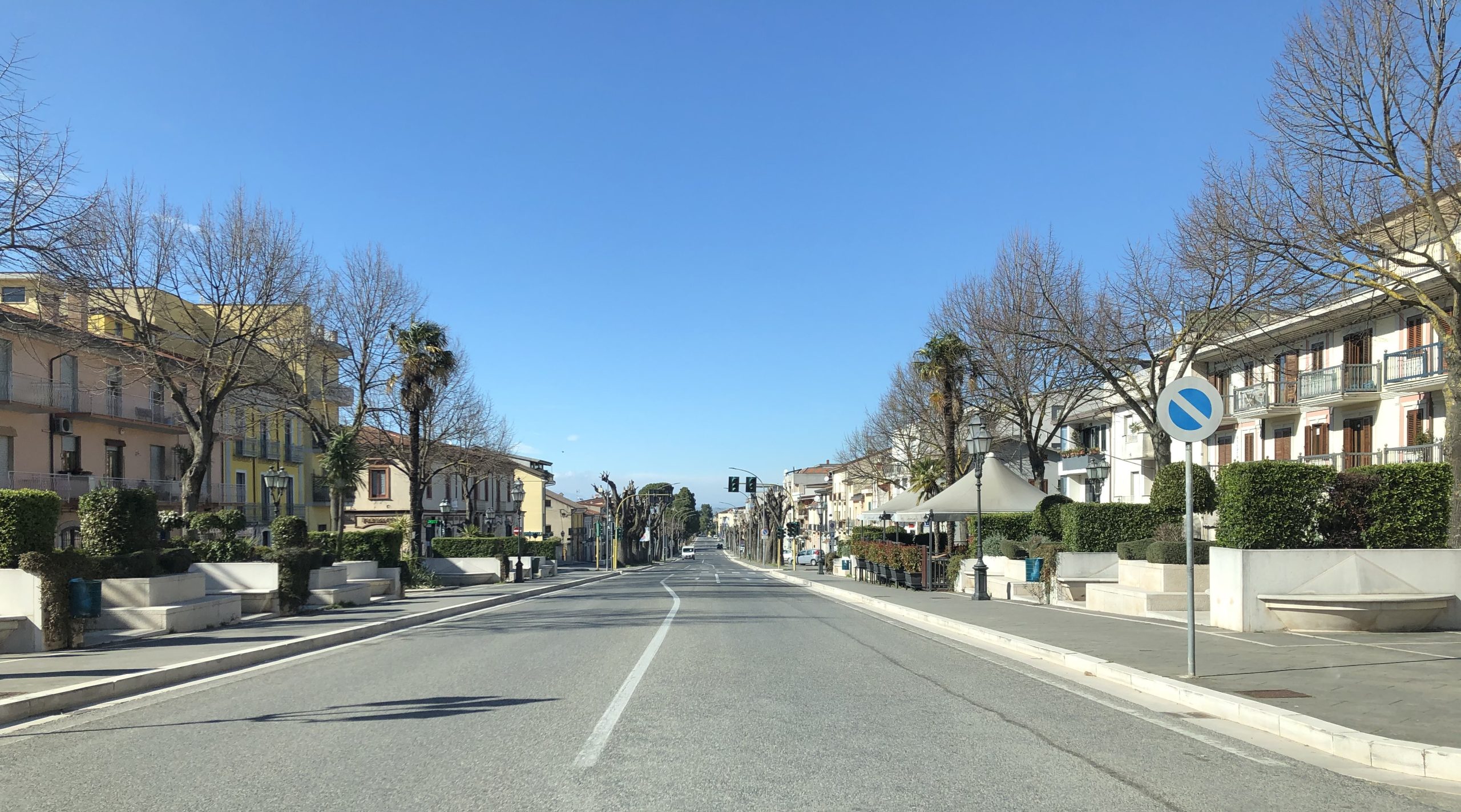
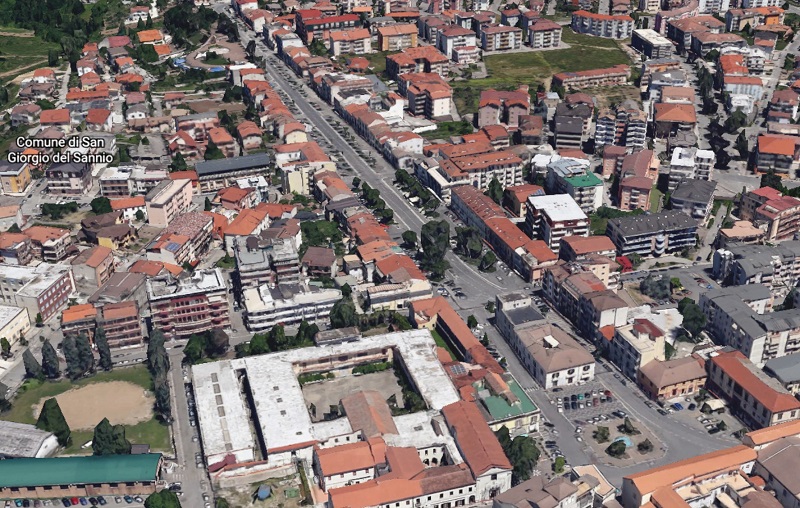
Historic Center: Walking through the historic center of Circello offers the opportunity to admire the characteristic stone houses and experience the peaceful atmosphere of the village. The narrow streets, often cobbled, and the picturesque squares make it the ideal place for a relaxing stroll. The urban layout has maintained its typical rural village arrangement over time, where community life primarily took place in the squares and churches. The houses in the historic center of Circello are generally made of local stone, with pitched roofs covered in tiles.
The town has been influenced by the Roman, Lombard, and Norman periods, and traces of these eras can still be felt in the structures and urban fabric of the historic center. The surrounding natural beauty is also of great importance. The mountainous surroundings, forests, and hiking trails provide residents and visitors with the opportunity to immerse themselves in nature.
In conclusion, its historic center holds great value for those who love to discover small villages rich in history, culture, and popular traditions.
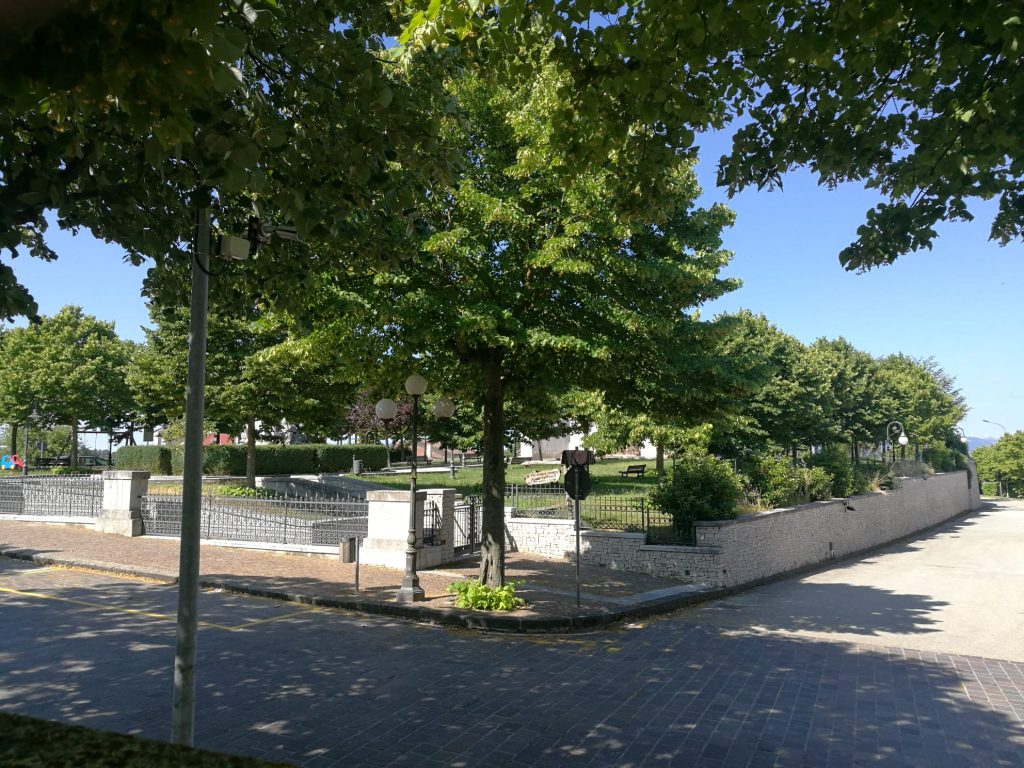
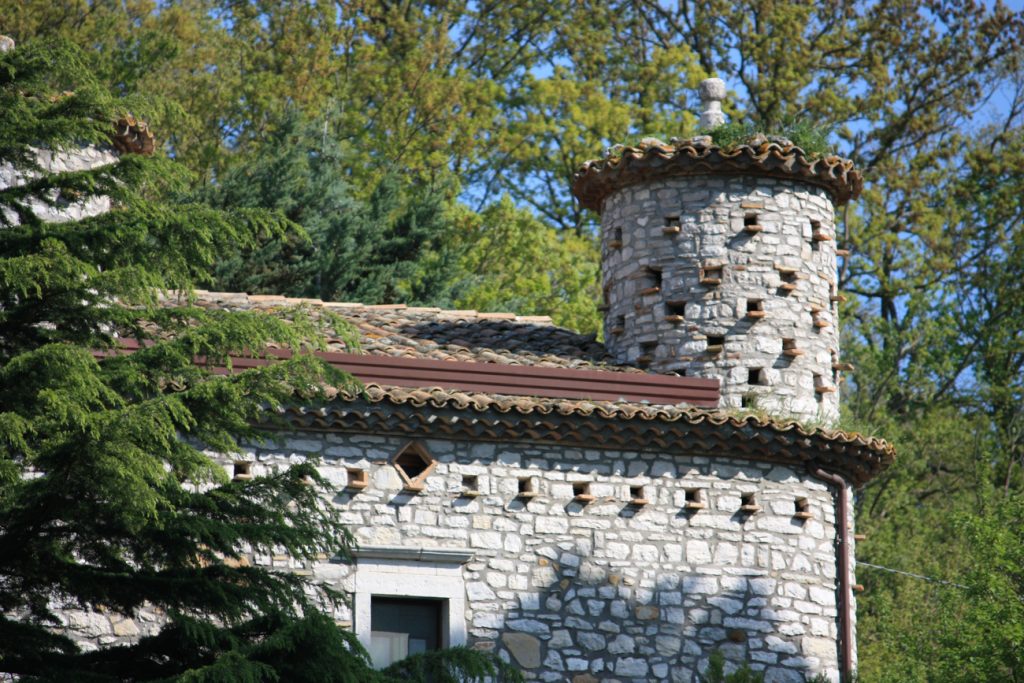
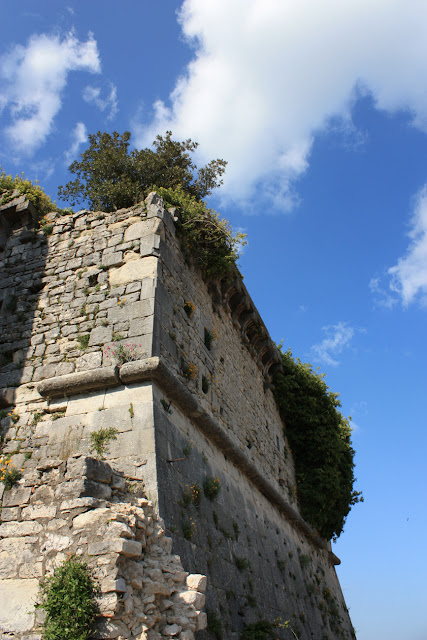
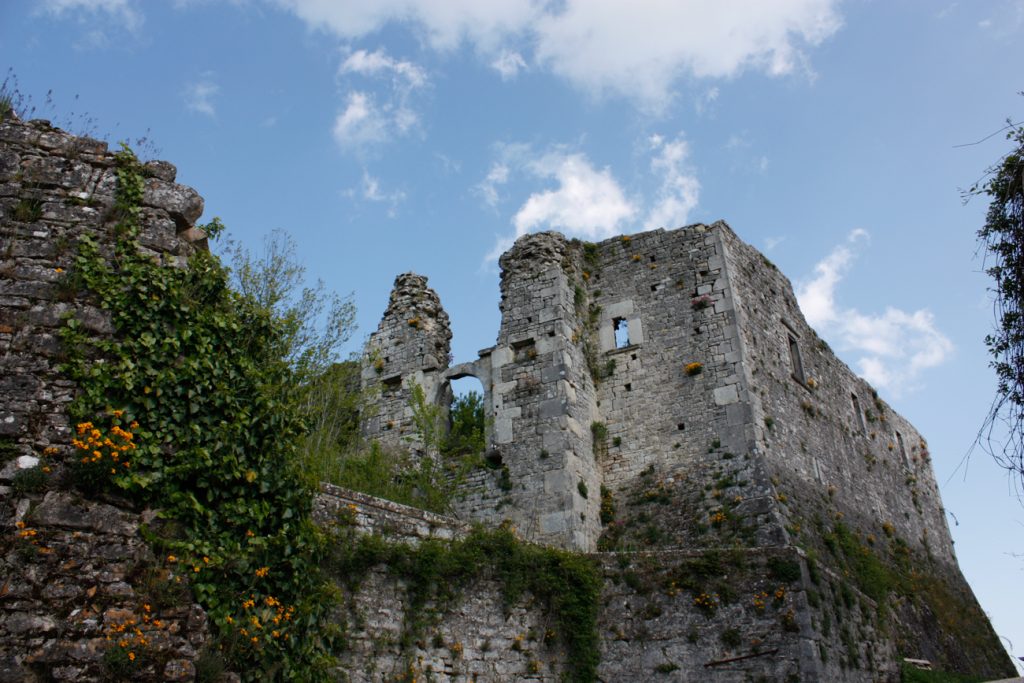
The Castle of Circello: Although not fully visible, the Castle of Circello is a historical testament to the town’s medieval past. Its strategic position on a hill demonstrates the defensive role the castle once played: it was useful not only for protecting the town from potential enemy raids but also for exercising control over a strategic area of the region.
Some of the remaining architectural details allow us to imagine the castle as a typical medieval fortress, though they are not sufficient to reconstruct its original appearance in detail. Today, the ruins of the Castle of Circello are located in a panoramic area above the town. Although largely destroyed, the site offers a splendid view of the surrounding valley and the mountainous landscape.
A bit of history
The municipality of Circello derives its name from the oak forests that abound in the surrounding area. The current layout of the town dates back to the Middle Ages, during the 8th century. Later, the town was fortified and enhanced with defensive walls, walkways, and gates.
The municipality has ancient origins and is part of the historical heritage of the Sannio region. Like many other towns in the area, it has been influenced by the Romans, Lombards, and Normans over the centuries. Despite its small size, the municipality is rich in local traditions and popular culture.
The castle stands on a persistent Lombard fortress from the 10th century, built to defend the town. Starting from the Norman period, the castle underwent a new phase of life with numerous modifications, which continued until the late 19th century.
In the past, it was an important artery of connection and passage between Molise and Puglia; this municipality is also crossed by the Pescasseroli-Candela tratturo.
Curiosity
Although the town is relatively small, it has a rich historical tradition, with traces of medieval times. For example, the Castle of Circello, located in an elevated position, bears witness to the defensive past of the village, although today only some ruins remain. One of the most cherished traditions in Circello is the Feast of Santa Maria Assunta, celebrated in August with a religious procession and folkloric events. The feast is an occasion for the townspeople to gather and celebrate their cultural identity with music, dances, and typical dishes.
Local agriculture is also reflected in the traditional cuisine, which makes abundant use of local olive oil, cheeses, and meat-based dishes. Caciocavallo and Sasiccia are just some of the specialties that can be tasted there.
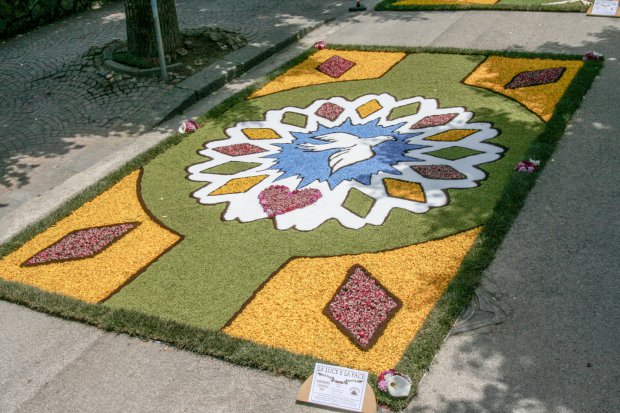
Occasionally you will see the special “Infiorata” (a Flower Festival).