

Location
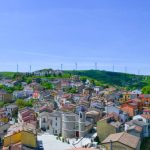
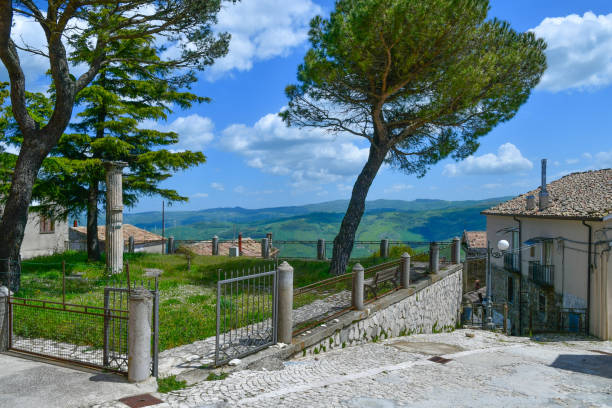
Montefalcone di Val Fortore is the highest municipality in the province of Benevento (830 meters above sea level). Located on the border with the province of Foggia, in an area rich in springs and woodlands, the town is perched on a slope of limestone rock from which it is possible to admire the Fortore River valley and a wide view extending to the Abruzzese and Lucanian mountains.
The territory is predominantly made up of pastures and forests. Among these, the main forest covers an area of 230 hectares and is rich in oak groves, turkey oaks, as well as other trees such as firs, ashes, and chestnuts. Among the animals that inhabit the forest, it is possible to observe magpies, wood pigeons, crows, badgers, wild boars, woodcock, and foxes.
Not to be missed
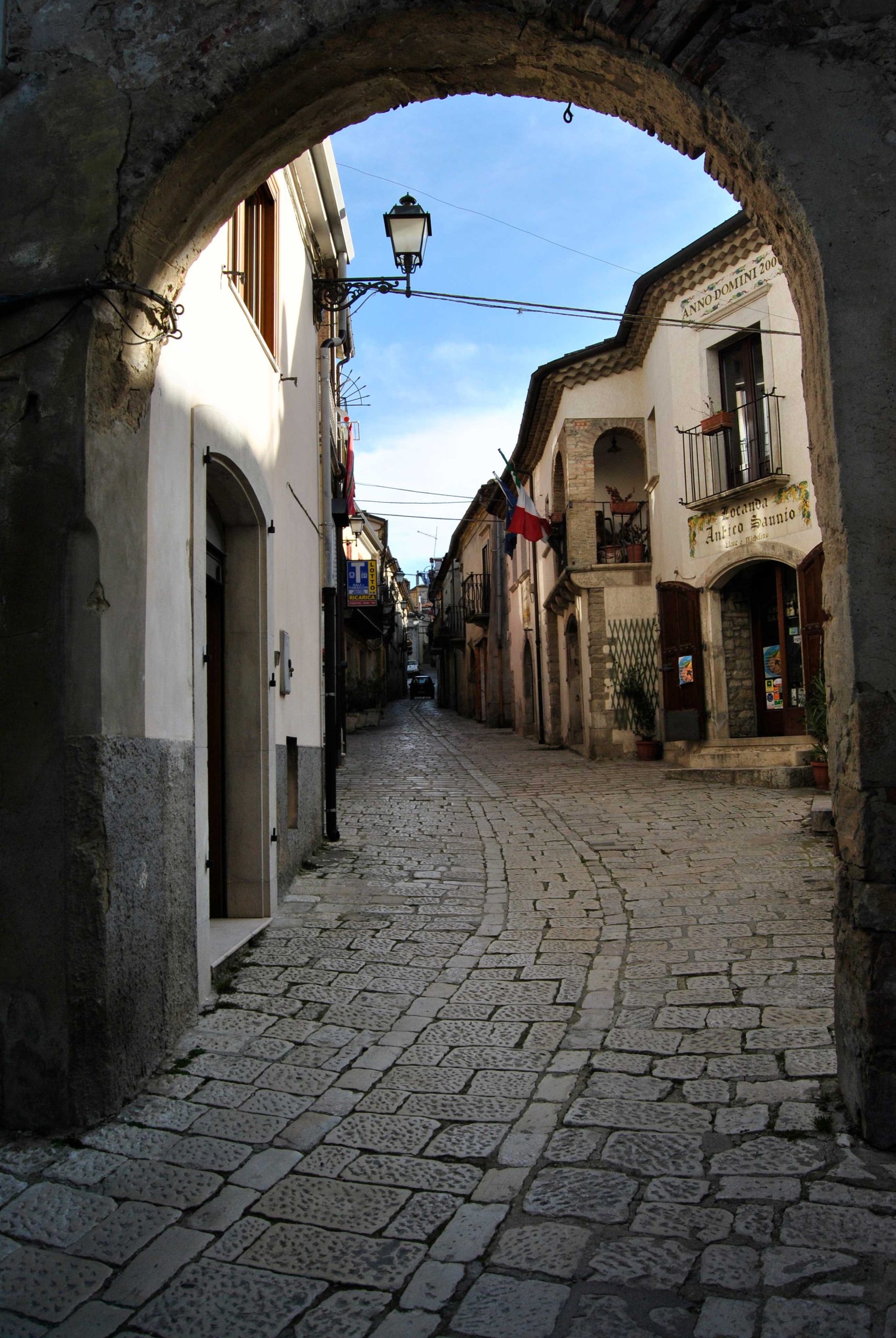
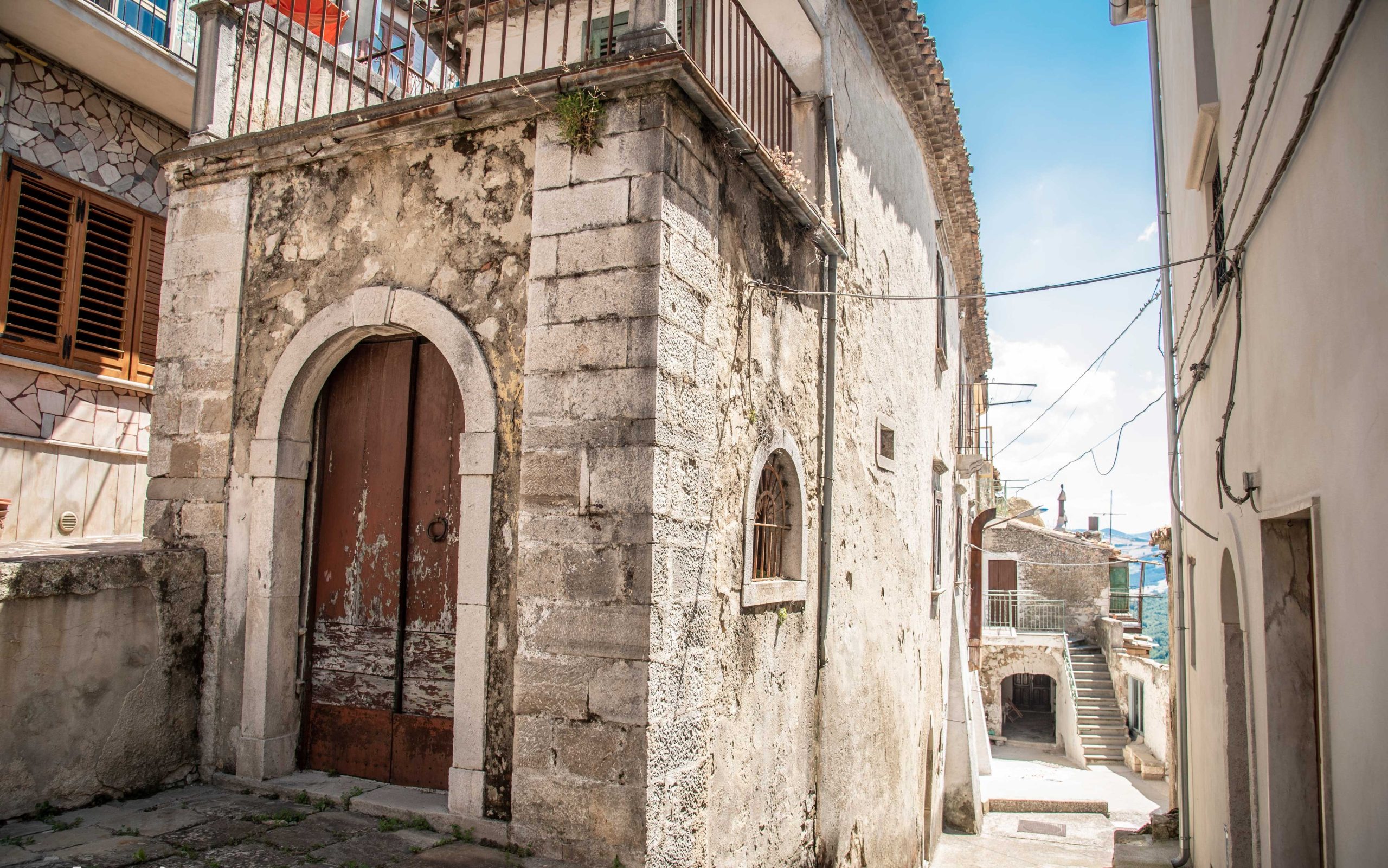
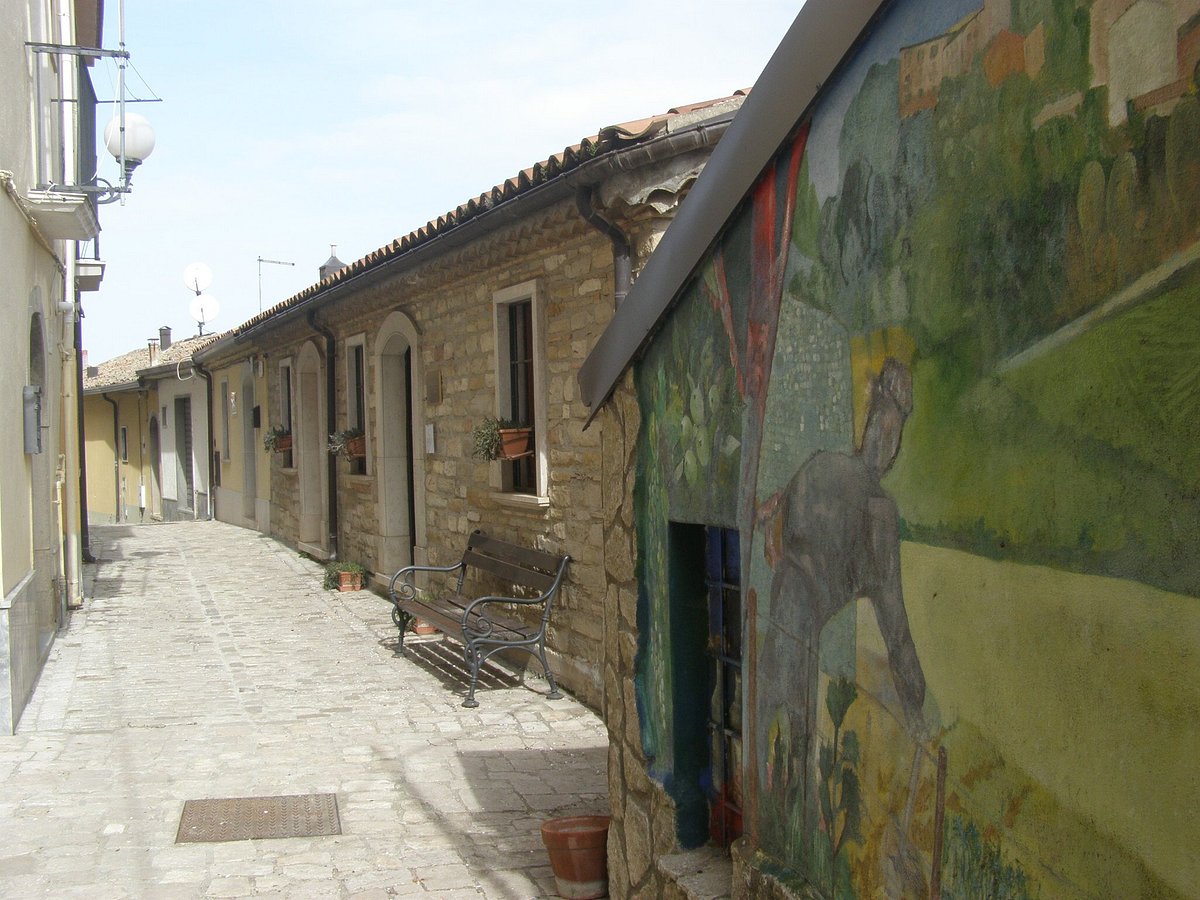
Montefalcone boasts an truly extraordinary natural heritage. Among the numerous pine forests in its territory, the one in the Cavecchia district extends over as much as 90 hectares, while in the Trivolicchio area, the Fortore River originates, flowing into the Adriatic Sea after covering 100 kilometers. The historic center still maintains its medieval layout, despite the damage suffered during the earthquakes of 1962 and 1980. It develops around the castle, of which only a few ruins remain. The imposing fortress had a rhomboid shape with a central courtyard containing a large and deep cistern, used to collect rainwater for use during potential sieges.
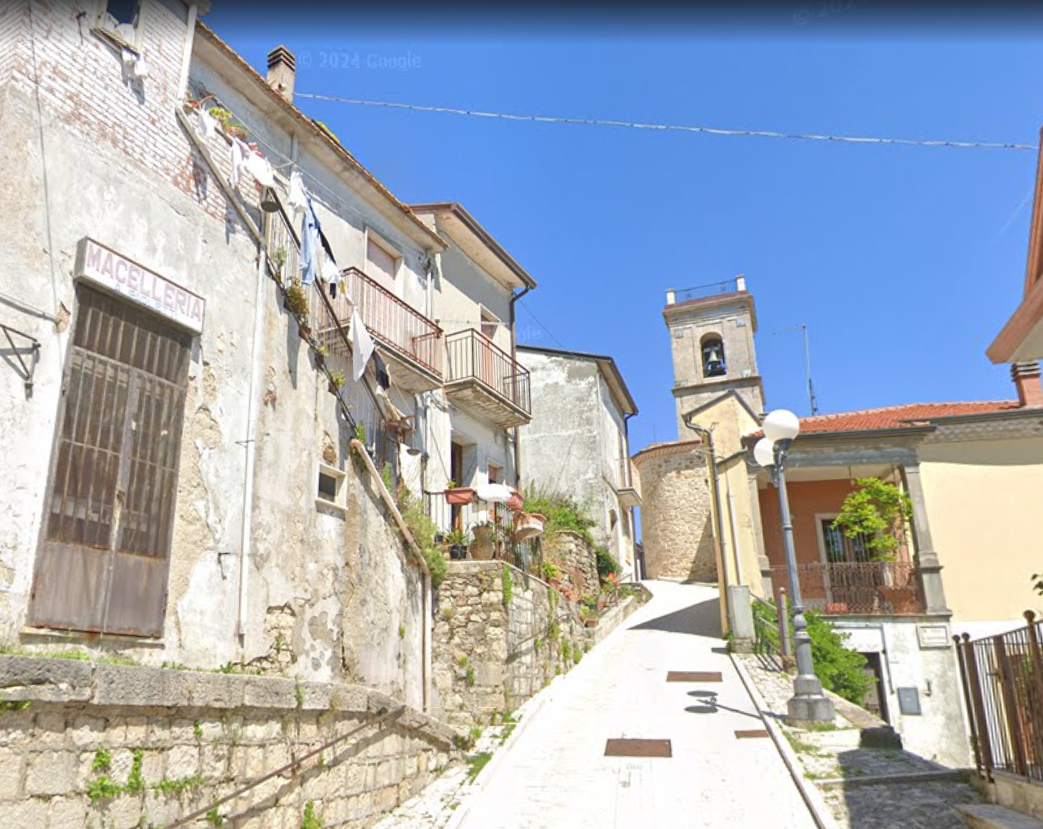
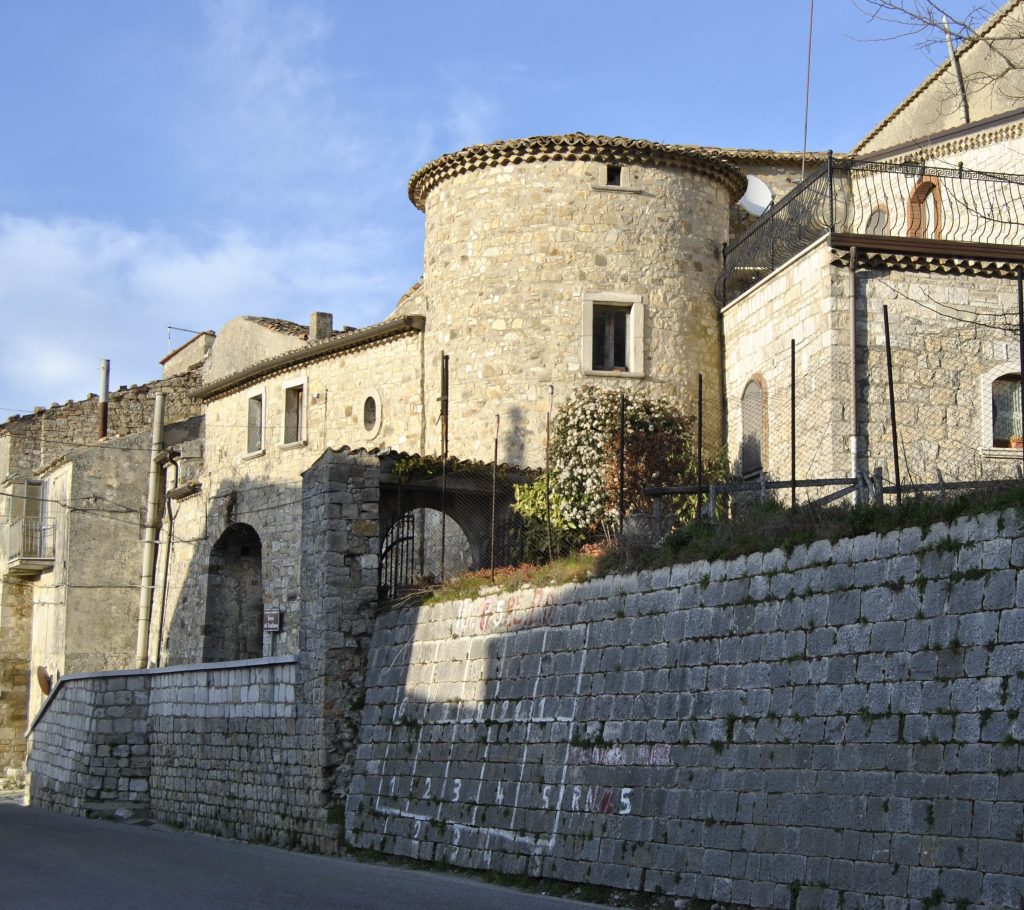
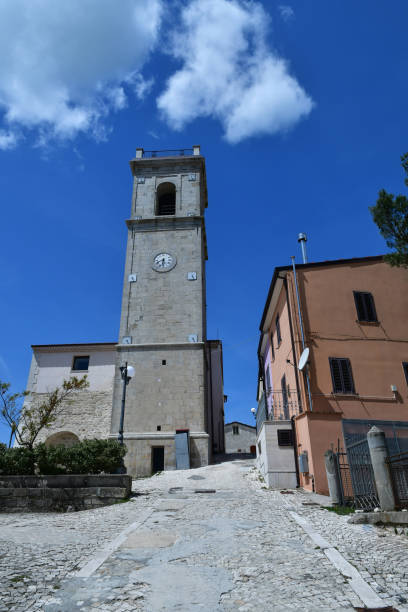
Montefalcone also preserves several places of interest and architectural beauties today, such as the Palazzo Marchesale (1400), the previously mentioned bell tower of the Church of San Filippo, the Santuario del Carmine (17th century), and the castle (1750).
The Sanctuary of the Madonna del Carmine, begun in 1604, is a destination for pilgrimages and is the object of particular veneration. The current appearance of the building is the result of numerous restoration and expansion interventions that took place throughout the 20th century. Notable are the 18th-century statue of the Madonna and the contemporary stained-glass windows.
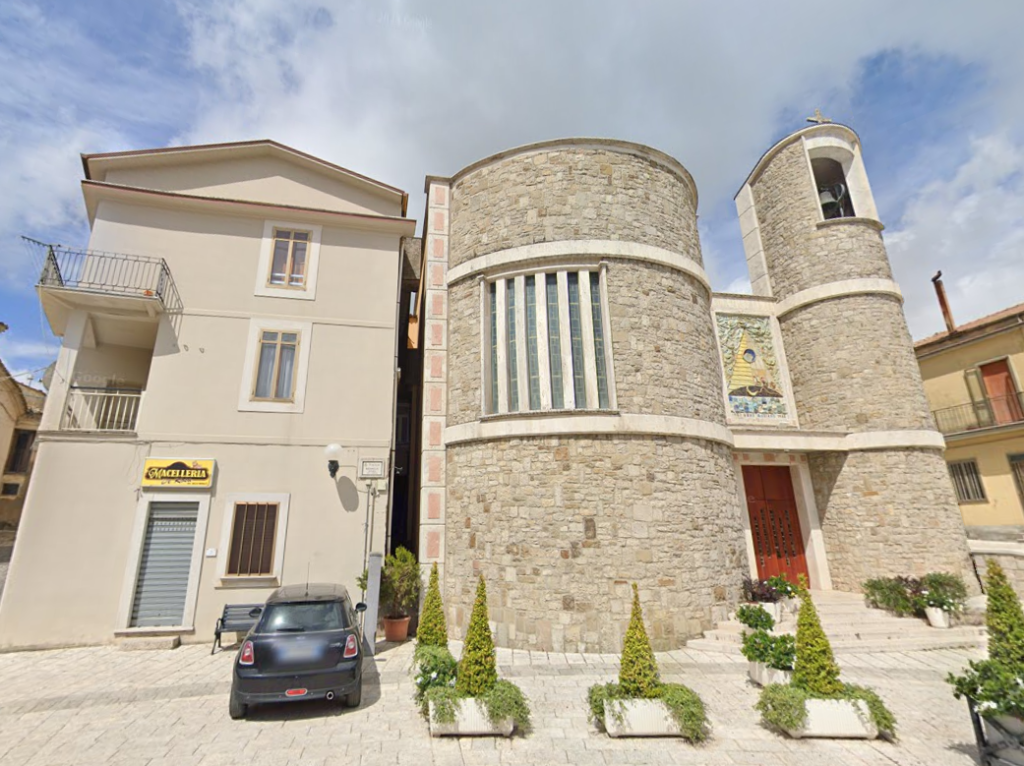
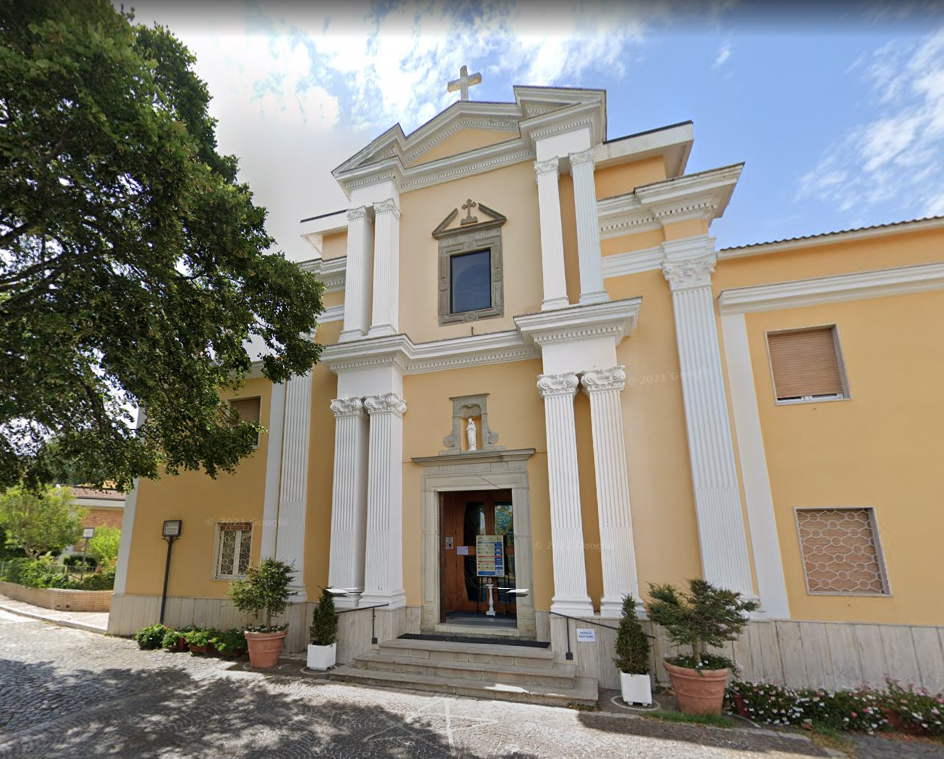
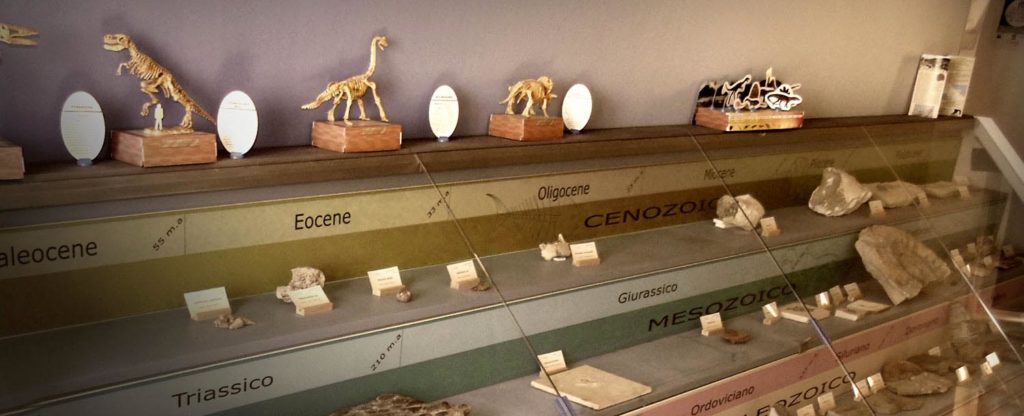
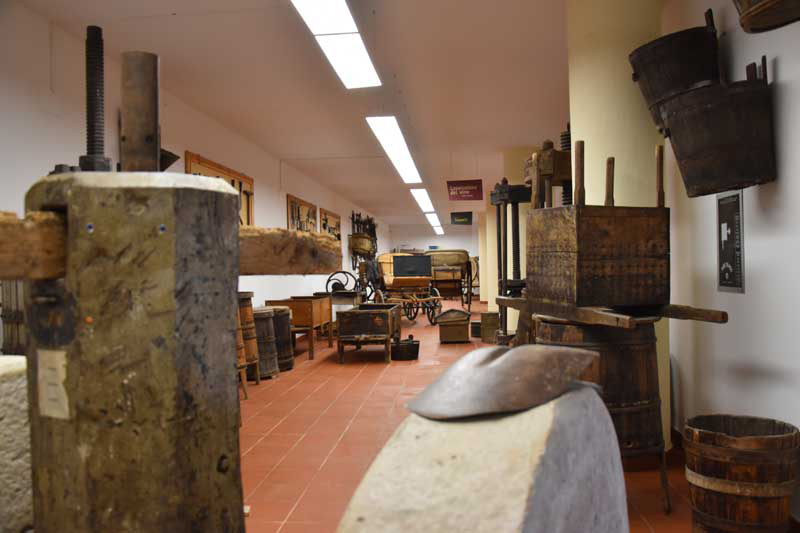
Two permanent municipal exhibitions are also worth noting: the Museum of Rural Civilization and the Civic Museum.
The Museum of Rural Civilization, established in 1982, is housed in the rooms of the elementary school in the San Marco district. The exhibition aims to illustrate the daily life of the rural population of the Fortore area in past centuries. The numerous exhibits (about three thousand) are displayed in thirteen rooms, each dedicated to a specific theme.
The Civic Museum, established in 2004, has enjoyed the status of “museum of regional interest” since October 2008. The exhibition, located in a specially renovated building in the historic center, is divided into three sections. The paleontological section houses thousands of fossils. The archaeological section narrates the history of Montefalcone from ancient times to the present, using panels, excavation finds, and ancient ceramics discovered in the archaeological area of the Palace. The third section is dedicated to “The Evolution of Man”. In addition to fossil reproductions of hominoid skulls, a reproduction of a burial of a skeleton found in the San Luca area of Montefalcone is also on display. This site is believed to be where the first settlements of the village were located.
A bit of history
As evidenced by archaeological finds from very ancient times (such as tombs, jewelry, and artifacts), the site was home to Samnite settlements and, probably, Roman ones. The earliest records of its existence date back to the Norman period, when it appeared in the Catalogus Baronum as part of the County of Civitate. In 1269, under Charles I of Anjou, it belonged to a certain Matteo di Letto, from whom it passed to the Di Tocco family and, in 1289, to the Mansella family of Salerno. It later became a fief of a Giannotto di Montefalcone, who transferred it to the Caracciolo family; it was then brought as a dowry by Beatrice Caracciolo to the Loffredo family (1585). In 1621, it was purchased by Andrea de Martino: after his death without heirs in 1640, it became royal property and, in 1645, was sold to Francesco Montefuscoli, Marquis of Montefalcone. It passed to the De Sanctis family and was later transferred to the Di Sangro family. In 1861, after the unification of Italy, it was annexed to the province of Benevento. The bell tower of the Church of San Filippo, dating back to 1750 (while only the perimeter walls of the church remain), and the bell tower of the Church of Santa Maria, built in 1495, are still in good condition. Of the castle, built around the 15th century on a previous Samnite defensive structure, only some perimeter walls remain. In 1930, an earthquake damaged most of the buildings, and in 1962 a second earthquake caused significant damage: various houses became uninhabitable due to partial collapses or severe structural damage.
Curiosity
In Montefalcone, a folkloric group has been active since 1932, when it was formed for the visit of Crown Prince Umberto of Savoy to Telese Terme. The members of the group wear the traditional costume of the town, which is rich in embroidery. The main colors of the costumes are black, red, and white.
In July, the feast of the Madonna del Carmine is celebrated, while the patronal feast, dedicated to Saint John the Baptist, is held on June 25th.