

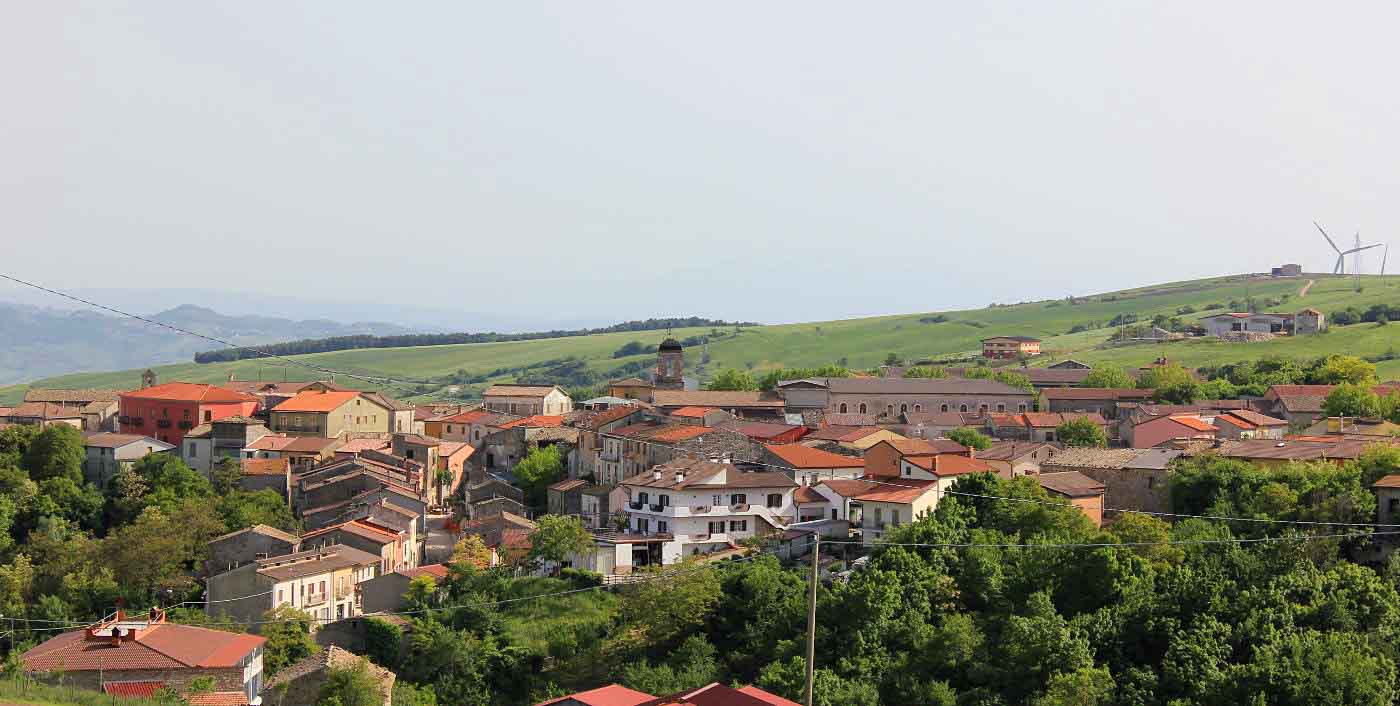
Location
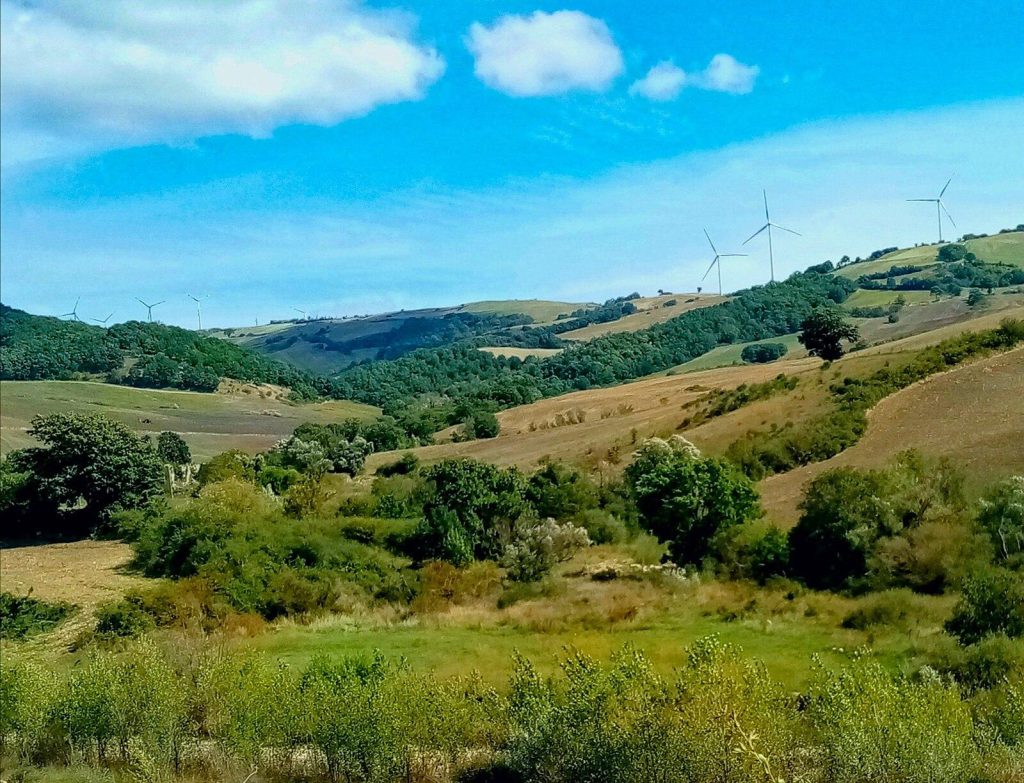
Castelfranco in Miscano is a municipality in the province of Benevento. The town extends from Colle San Bartolomeo and expands across part of the Campanian Apennines. The municipality is located in an area that offers a spectacular view of the Miscano River valley, from which it takes its name.
Not to be missed
Religious architecture:
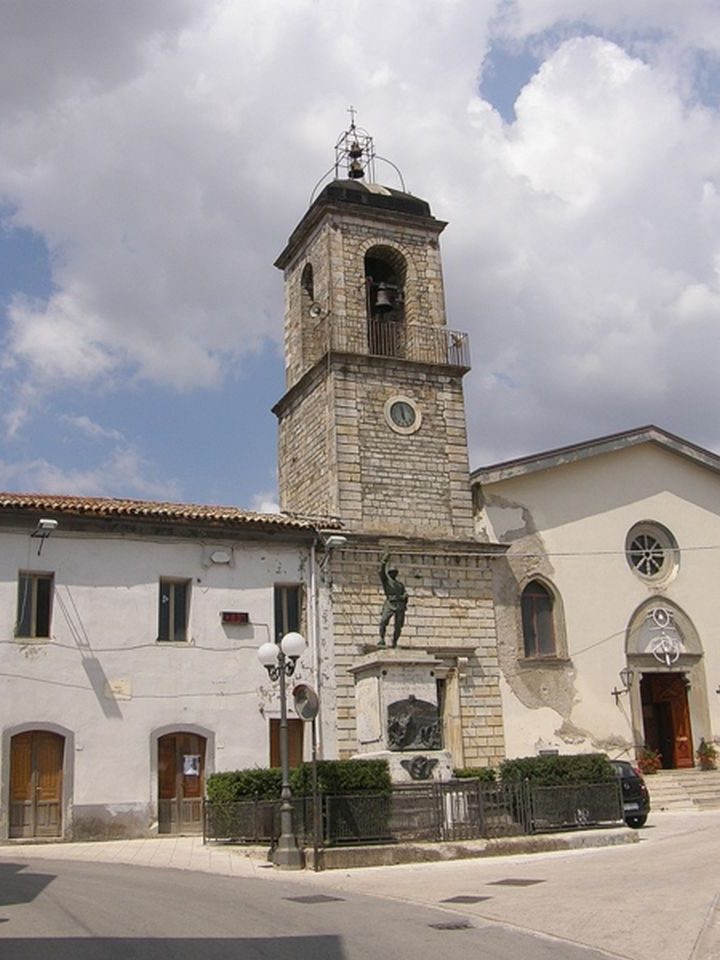
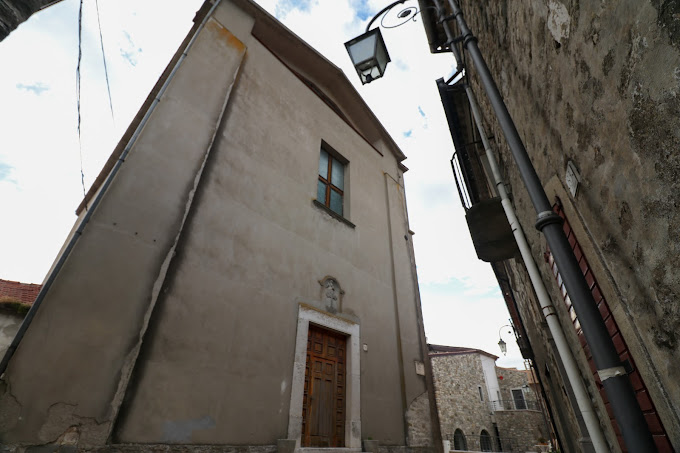
Church and convent of Santa Maria delle Grazie, later the town hall, from the 13th century.
Church of San Giovanni Battista, protector of the village.
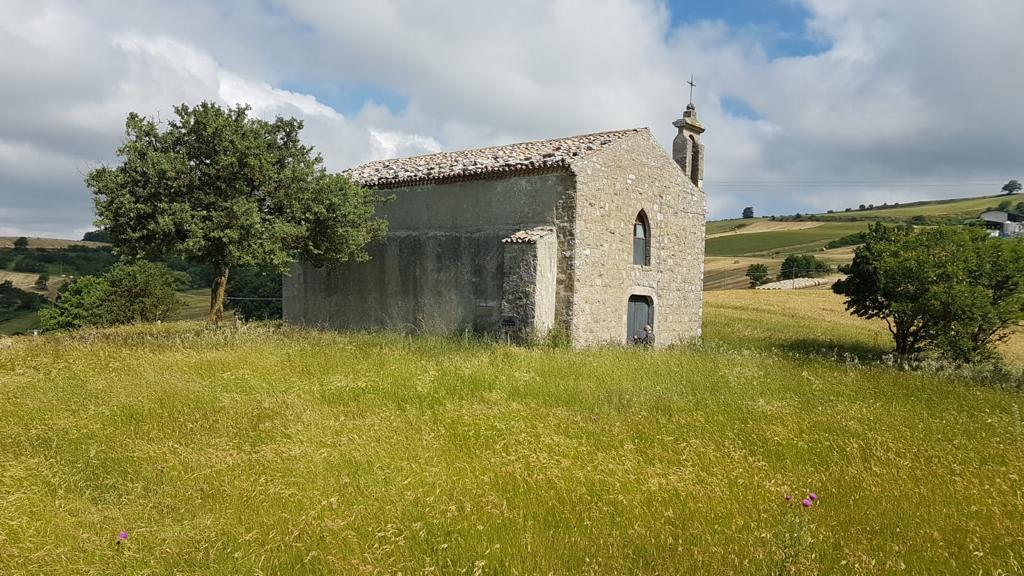
The rural Chapel of San Lorenzo. The original church dates back to the early 1800s and was equipped with a garden. In its early days, it was cared for by a group of monks, later by a hermit, known as “the hermit of San Lorenzo.” Eventually, it fell into ruin, collapsed in 1926, and was rebuilt. In 1932, the main altar was erected.
Civil architecture:
Casale Tre Fontane: Renaissance architectural complex along the medieval Via Francigena, on the border with Greci.
Casale Campanaro: formerly an abbey fief of the County and Diocese of Ariano, located in the upper Miscano valley along an ancient trail leading to Tre Fontane.
Statues and monuments:
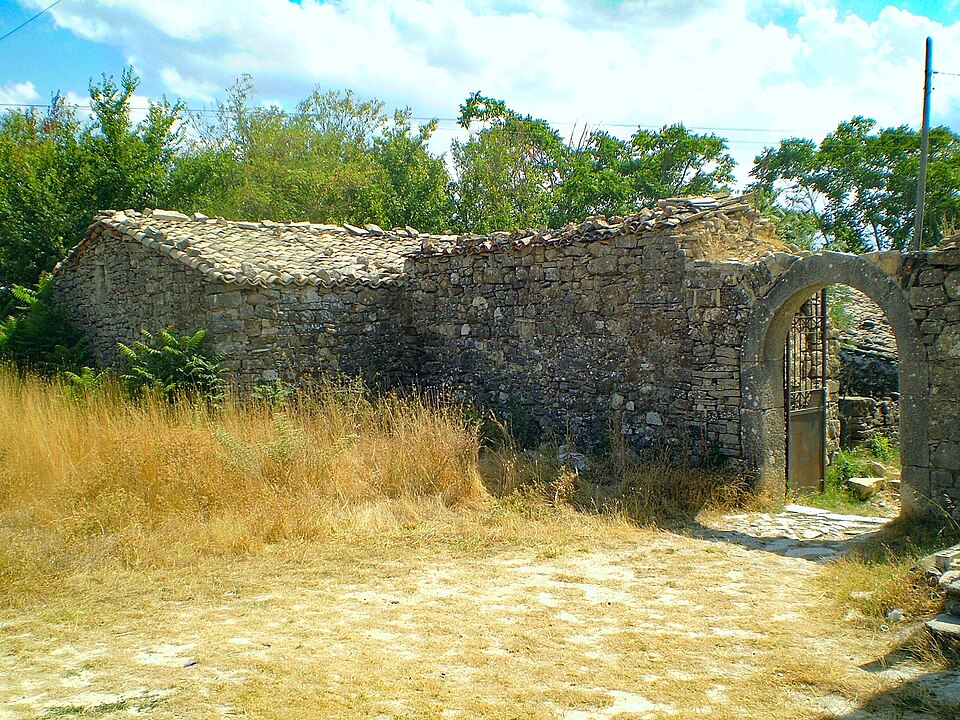
Ruins of the walls and the medieval castle, with the two pillars of the ancient gate, known as the “Gate of the Land.”
Aequum Tuticum: a typical example of a Roman vicus, at the crossroads of the ancient Aemilia, Minucia (later Traiana), and Herculia roads. As early as the 18th century, the French cartographer Jean-Baptiste Bourguignon d’Anville suspected that Aequum Tuticum was located near Castelfranco; later, the site was pinpointed just a few kilometers further south, on the plateau of Sant’Eleuterio in the present-day territory of Ariano Irpino.
A bit of history
Castelfranco in Miscano has ancient origins, probably dating back to the medieval period. It is believed that the name comes from a castle that belonged to a French feudal lord during the Angevin domination.
During the Middle Ages, the area was part of the Lombard territory and, later, of the County of Benevento. The history of the town is linked to its fortifications and its importance as a defense point over the centuries.
In 1496, Castelfranco was the site of a battle between the Aragonese and the French of Charles VIII, who were at that time besieging Circello.
From an administrative perspective, the municipality was under the territorial jurisdiction of the Royal Commerce Consulate of Ariano during the 1743-46 period, within the Province of Principato Ultra, to which it belonged until 1811. It then became part of the Bovino district in the Capitanata, and eventually, in 1861, it became part of the newly established Province of Benevento.

Curiosity
One of the typical products from the cattle farming in Castelfranco is caciocavallo. Very distinctive for its spherical shape with a rather small head, it is mainly produced in the spring months. The festival of the same name takes place annually in September.
Another celebration is that of the Patron Saint ‘San Fedele’, which falls on October 28th. This event involves the whole community with processions, religious ceremonies, and moments of popular celebration. Agricultural traditions, such as the grape harvest and olive picking, are also important occasions for the locals to come together.