

Location
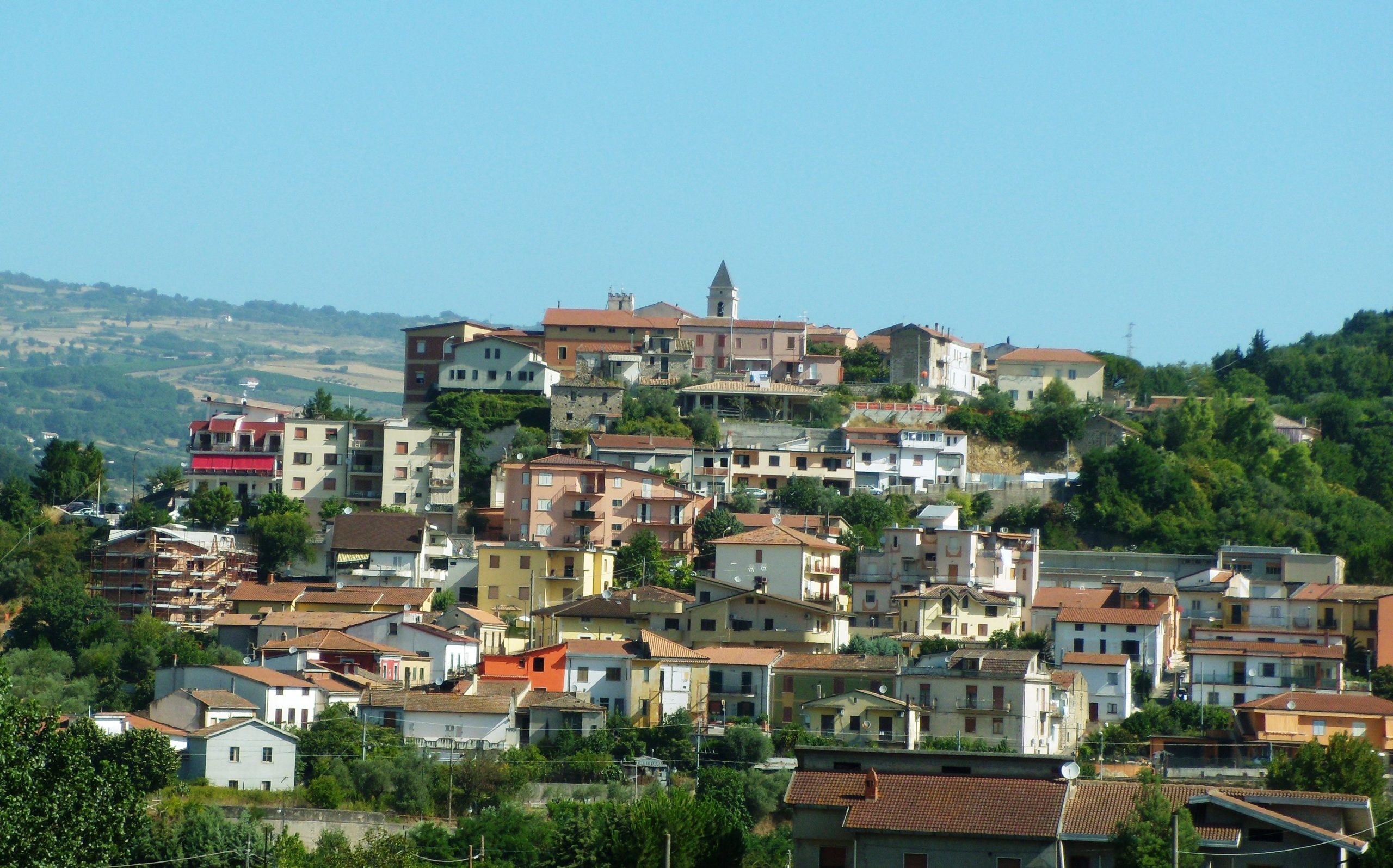
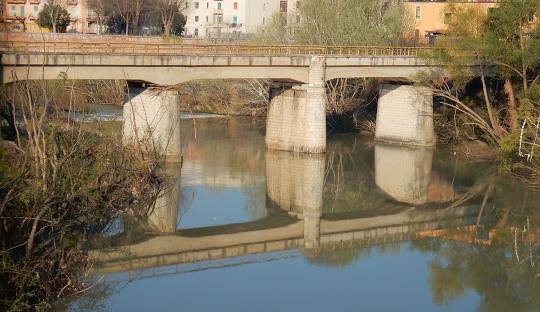
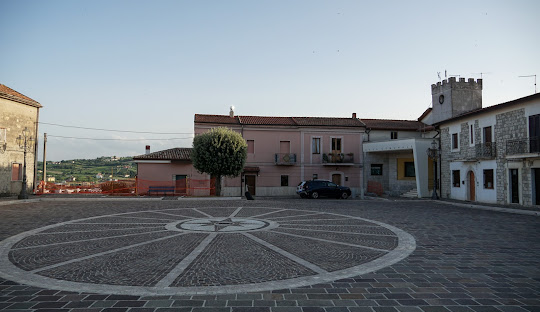
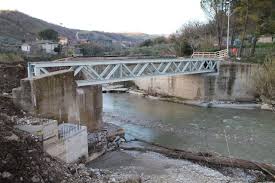
Ponte is a hilly municipality of ancient origins supported by agriculture and some small and medium-sized businesses. The municipal territory has a rather regular geometric profile: composed mainly of rolling hills, it is located near the confluence of the Alenta stream with the Calore river, north of the north-eastern slope of the Taburno massif and Mount Pentime. The village has its origins in an ancient stone bridge from the Roman era that constituted the passage of the Via Latina over the Alenta stream, the remains of which are still visible today.
The ancient village is medieval, with a castle of Norman origin built in the 11th century of which only the cylindrical corner towers remain, which have undergone numerous renovations over the centuries.
Not to be missed
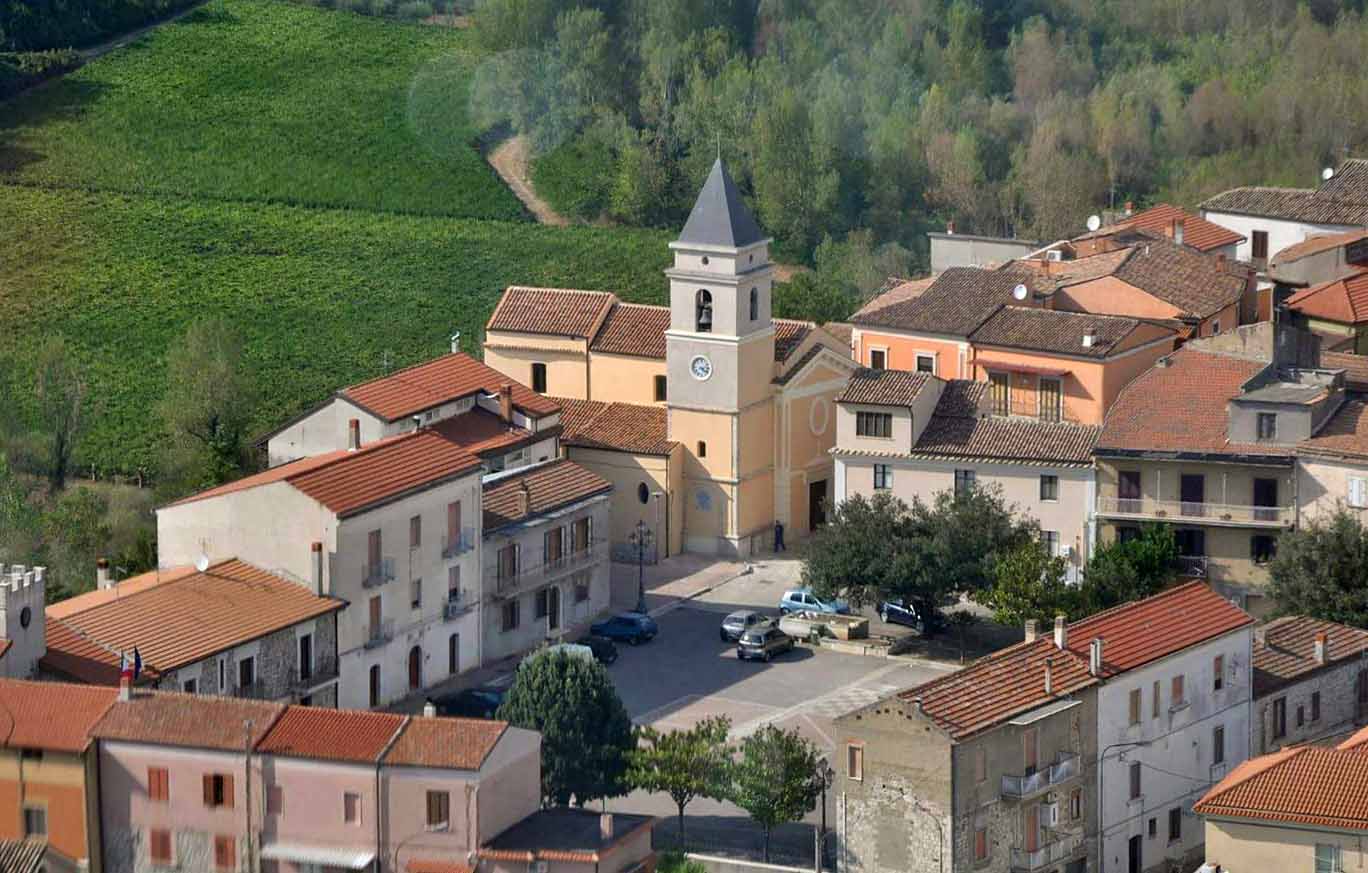
In the heart of Sannio there is a village where history and tradition intertwine between alleys and ancient buildings, Ponte preserves churches and enchanting views that tell the story of the territory including:
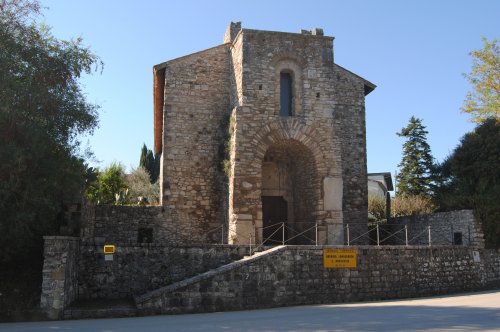
the Abbey of Santa Anastasia:Dating back to the 8th century AD, it was built on the edge of the ancient Via Latina near the confluence of the Alenta torrent with the Calore river. Recent excavations have shown that the church was built on a previous construction, almost certainly a Roman villa. The Abbey was the seat of the parish until 1569, the year in which the citizens of Ponte decided to move it to the church of the Santissima Trinità. Currently, the walls of the abbey complex can be admired, which have undergone careful restoration under the strict supervision of experts from the Superintendence of Artistic and Historical Heritage of Campania.
the Church of the Most Holy Rosary: It was built in 1596 by the brotherhood of the same name, a short distance from the castle. Inside are preserved several artistic works such as a chiseled brass plate, a wooden statue depicting Christ from the 18th century and some traces of frescoes.
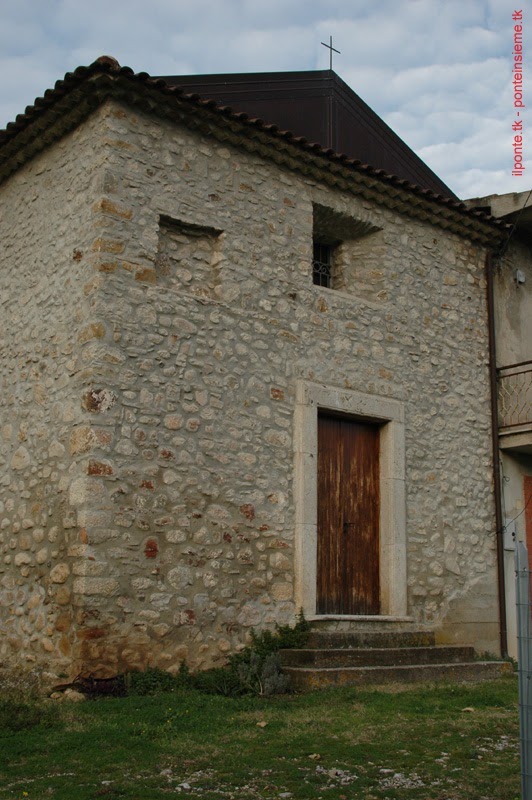
the Chapel of Saint Dionysius: Historically recognized as Grangia because it was dependent on the Abbey of S. Anastasia, it is located near the provincial road that leads from Ponte to Casalduni. The chapel has a single room with a round arch that separates the altar from the rest of the room; it is also still possible to admire a canvas depicting S. Dionigi Martire. The altar has frescoes on the front in good condition. On the entrance façade you can see a splayed window and a cavity in the form of a shrine for displaying the image of the Saint. On the back side you can admire a Roman funerary cippus, with Latin inscriptions and a sculpted amphora.
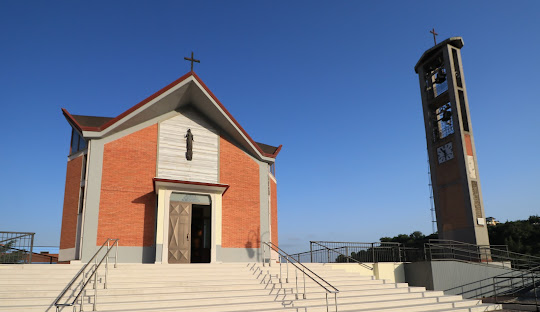
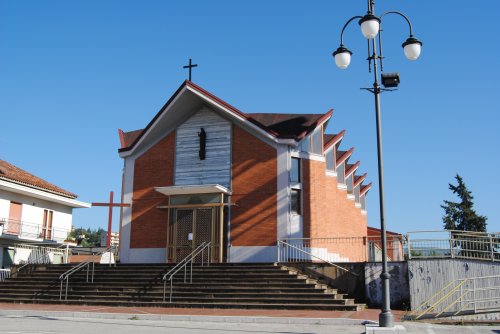
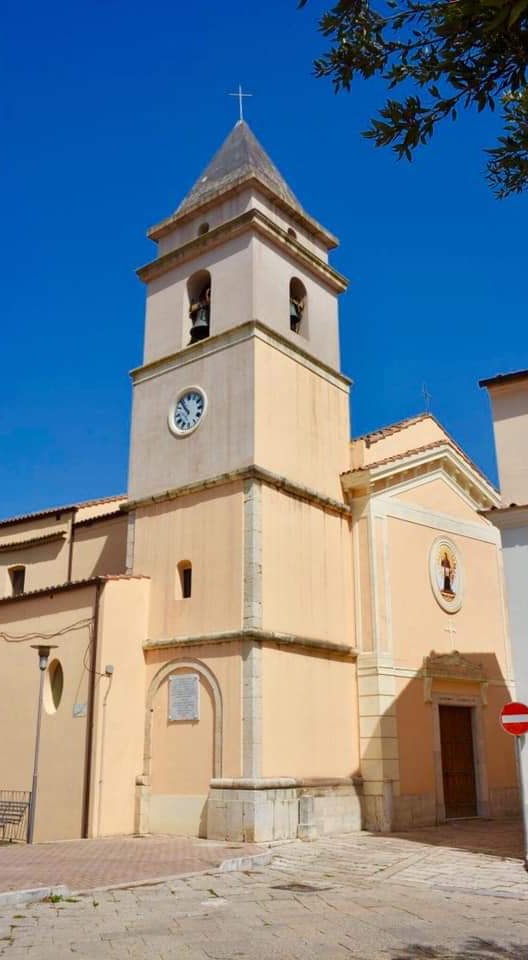
the Church of Santa Generosa Martire:The church was built according to the design of the architect Don Mario Alciati, a Piedmontese Salesian priest, and consecrated with the title of Santa Generosa Martire on 20 February 1966, the year in which it was also erected as a Parish. It is very large, modern in style and has three altars, one central and two lateral. It consists of a single nave that begins with an apse raised by one step. On the side of the nave there are numerous small chapels inside which there are openings. The entrance is characterised by a single door above which, on the outside, it is possible to admire the statue of Santa Generosa; next to it stands a bell tower with two bells.
A bit of history
The municipal territory of Ponte has been the subject of numerous archaeological finds, mainly coins from the Roman era. Its origins are very ancient. The first settlements can be traced back to the Roman period; in fact, the Via Latina passed through here, connecting Benevento with Rome through the Telesina Valley. The name of the town actually originates from an imposing stone bridge through which the Via Latina crossed the Alenta stream. The town was also of considerable importance during the period of Lombard domination. In fact, an important Benedictine Abbey was built here in the eighth century AD. In the following period, Ponte belonged to the major families of the Kingdom, such as the Sanframondo, the Carafa, and the Caracciolo. In 1585 it was bought by the Sarriano family, who retained the title of Duke of Ponte until the abolition of the feudal regime.
Curiosity
One of the most heartfelt celebrations is the one in honor of the patron saint, San Giovanni Nepomuceno, a feast celebrated on May 16th in the church of the Santissimo Rosario. A feast that includes processions, traditional food, such as the panesillo, with a particularly soft dough and lightly garnished, was reserved for special occasions and dates back to the arrival of the Lombards in Sannio.
Tour del centro storico