

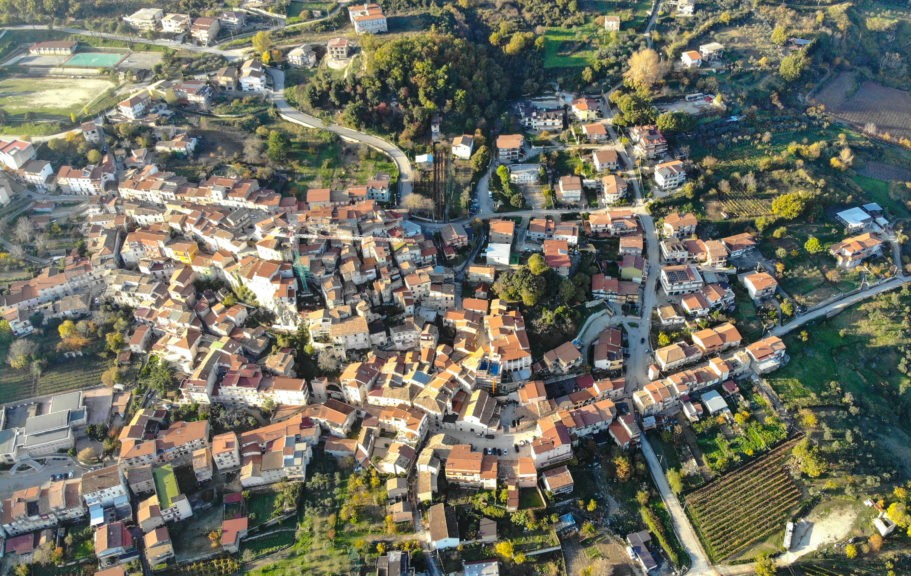
Location
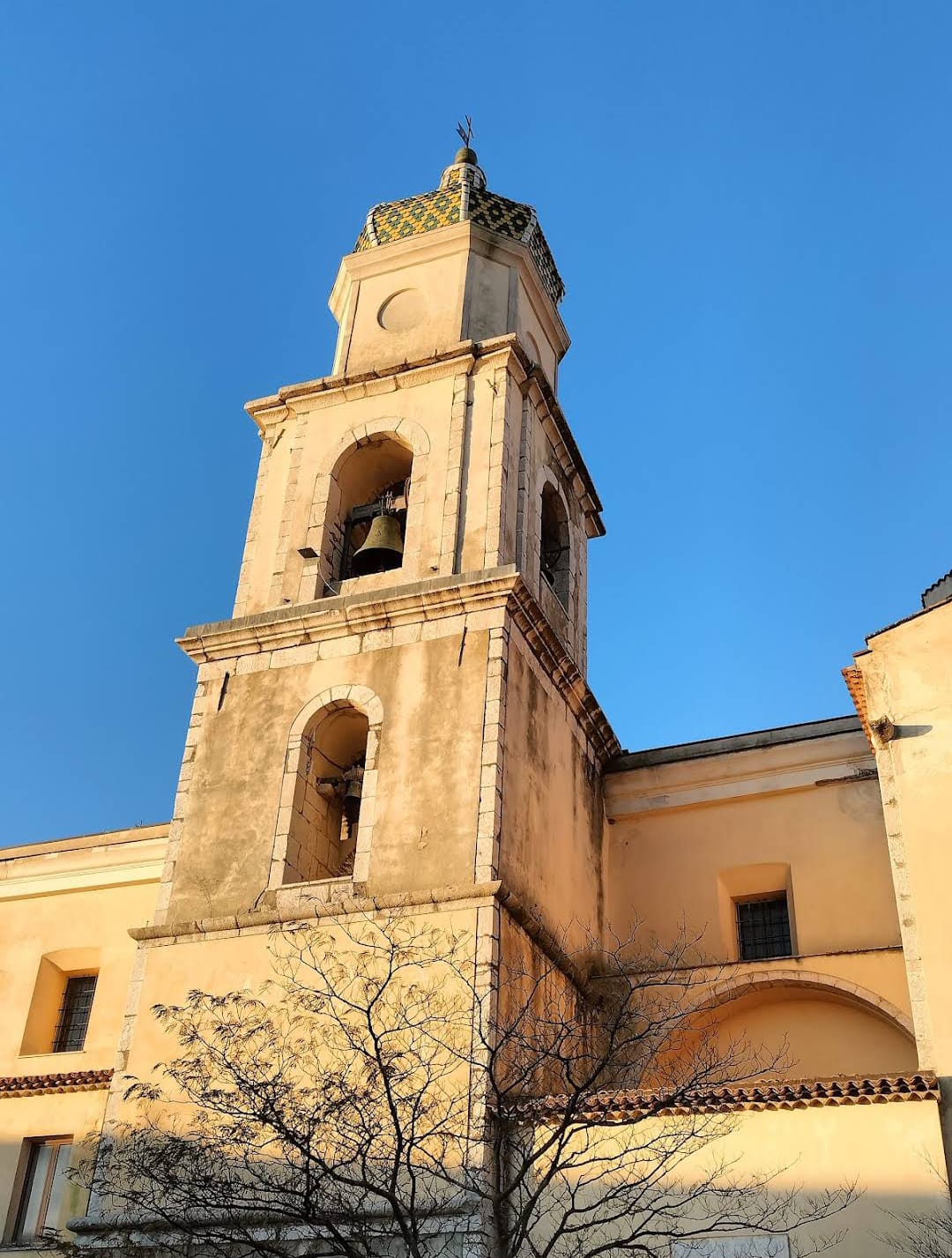
San Lorenzo Maggiore is a small gem nestled among the Benevento hills, a place where time seems to pass more slowly, inviting anyone who arrives to stop, observe, and be embraced by the warmth of its people and the beauty of its simplicity. Located in the heart of Sannio, an ancient land rich in history, where soft hills alternate with expanses of vineyards and olive groves. To reach it, one must venture along roads winding through the valleys of the Calore River, in a landscape that seems suspended between the present and the past. The village is about 30 kilometers northwest of Benevento, in a strategic position that once made it a crossroads between the ancient Samnite and Roman civilizations. The town is immersed in a peaceful atmosphere, with its stone houses telling the stories of generations, and the bell tower standing tall like a silent guardian. Strolling through its streets, one can breathe in the fragrance of tradition, with the echoes of patronal festivals and the authentic taste of local products, such as extra virgin olive oil and Aglianico wine, which thrive in this generous and fertile land.
Not to be missed
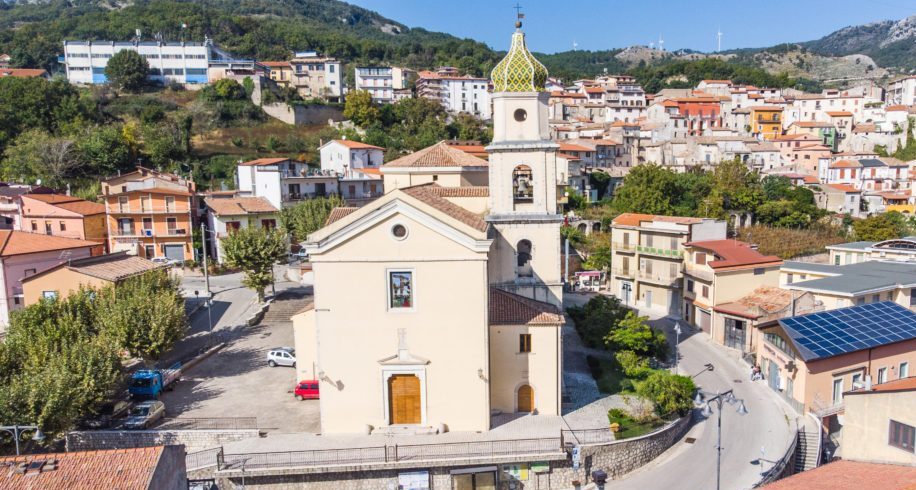
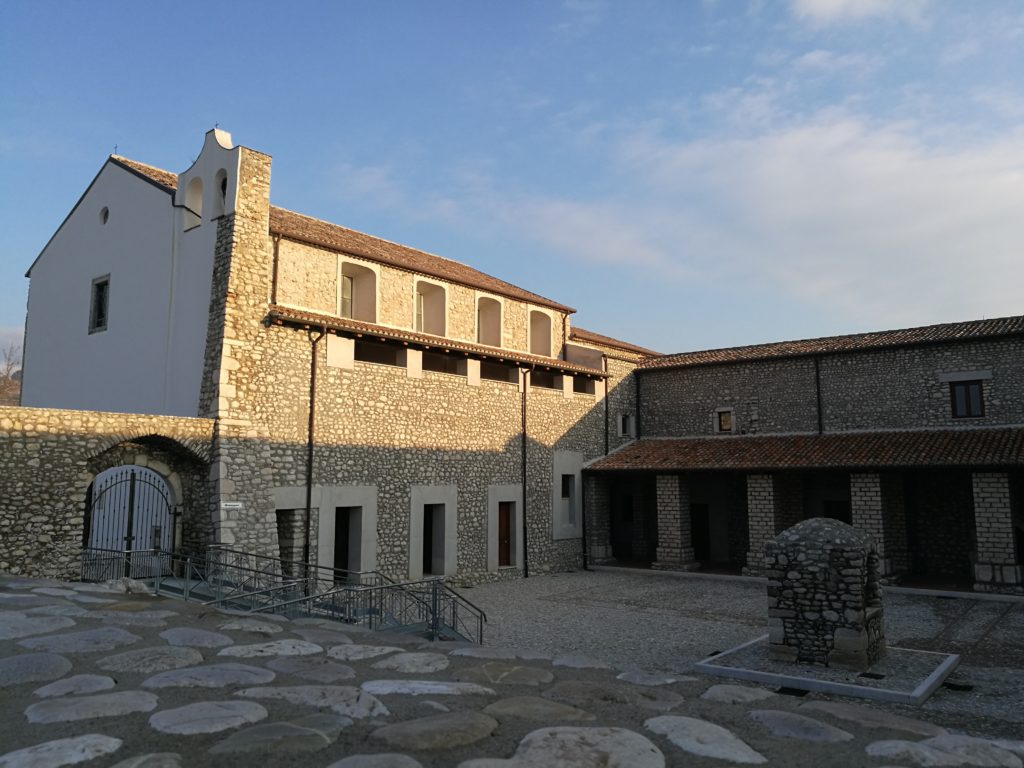
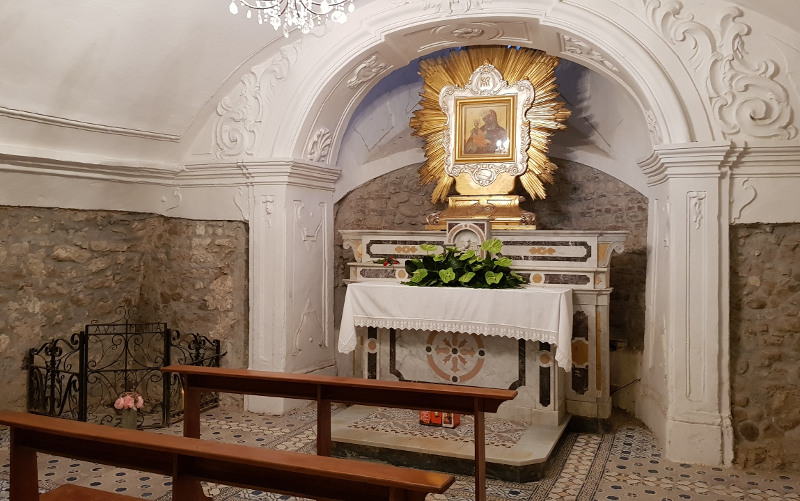
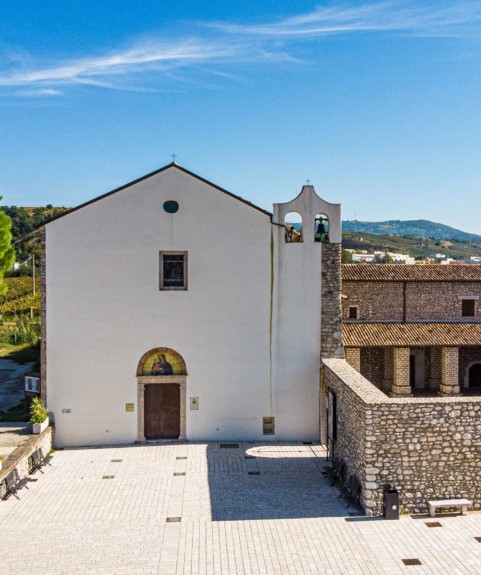
Church of San Lorenzo: This church is a fascinating example of local religious architecture. Don’t forget to admire the frescoes and historical elements that tell the story of the village.
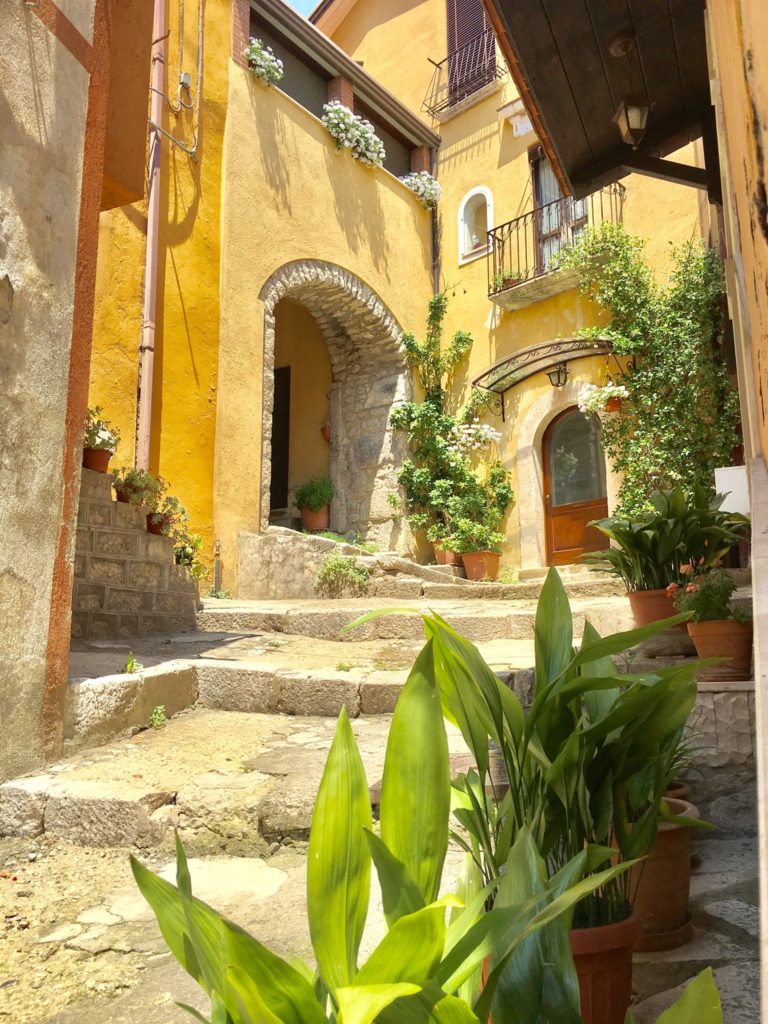
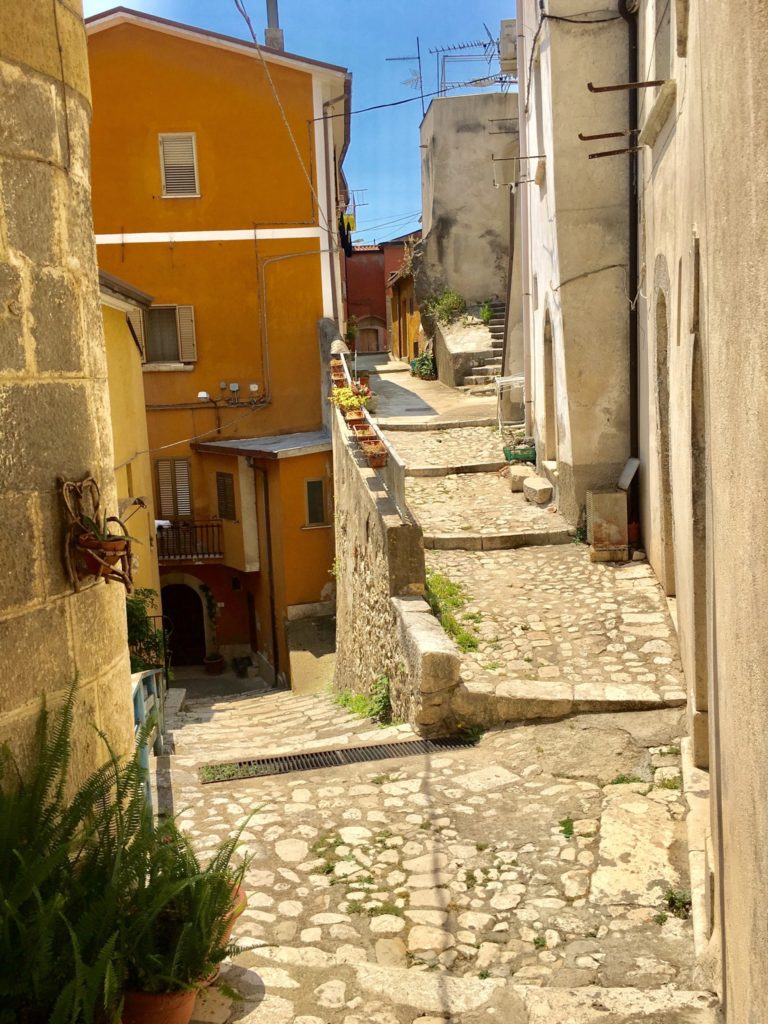
Historic Center: Walking through the narrow streets of the center will allow you to discover the authentic atmosphere of the village, with its stone houses and characteristic alleys.
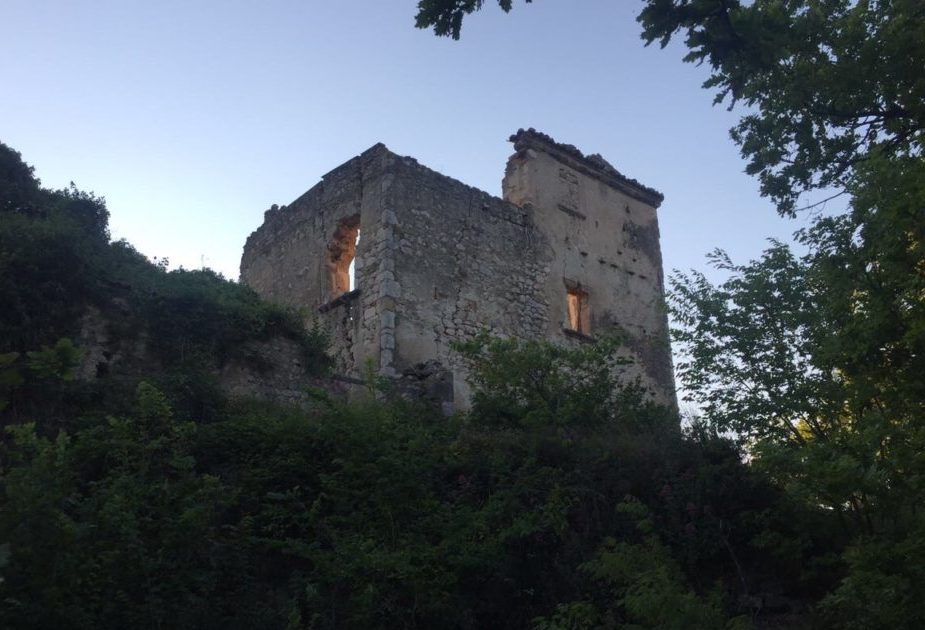
Castle of San Lorenzo: Although in ruins, the castle offers a panoramic view of the surrounding valley and is a great spot for taking photos.
Local Events: If you visit during a festival or local event, such as a celebration of a typical product, don’t miss the opportunity to taste traditional cuisine and immerse yourself in the local culture.
Nature and Landscapes: The surroundings of San Lorenzo Maggiore offer beautiful natural landscapes. If you enjoy walking, there are trails that will lead you to discover the beauty of the Beneventano countryside.
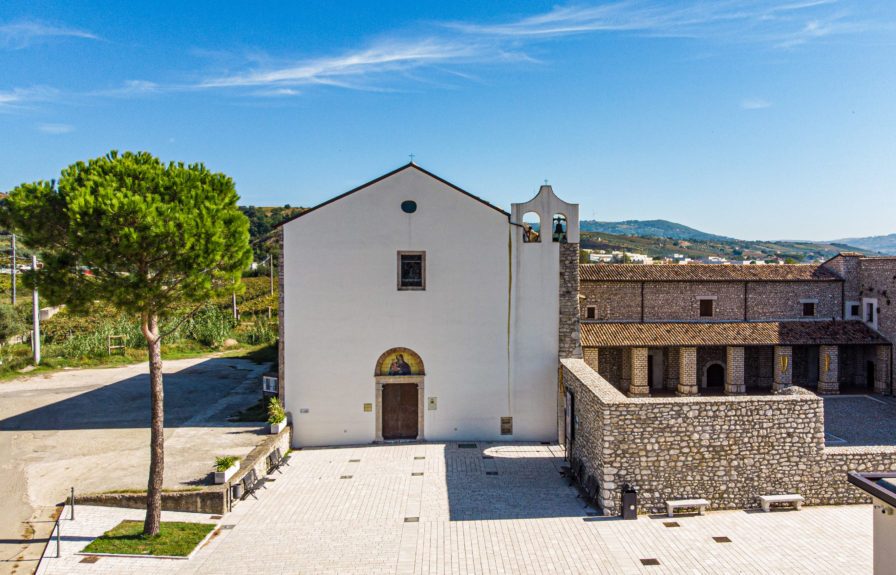
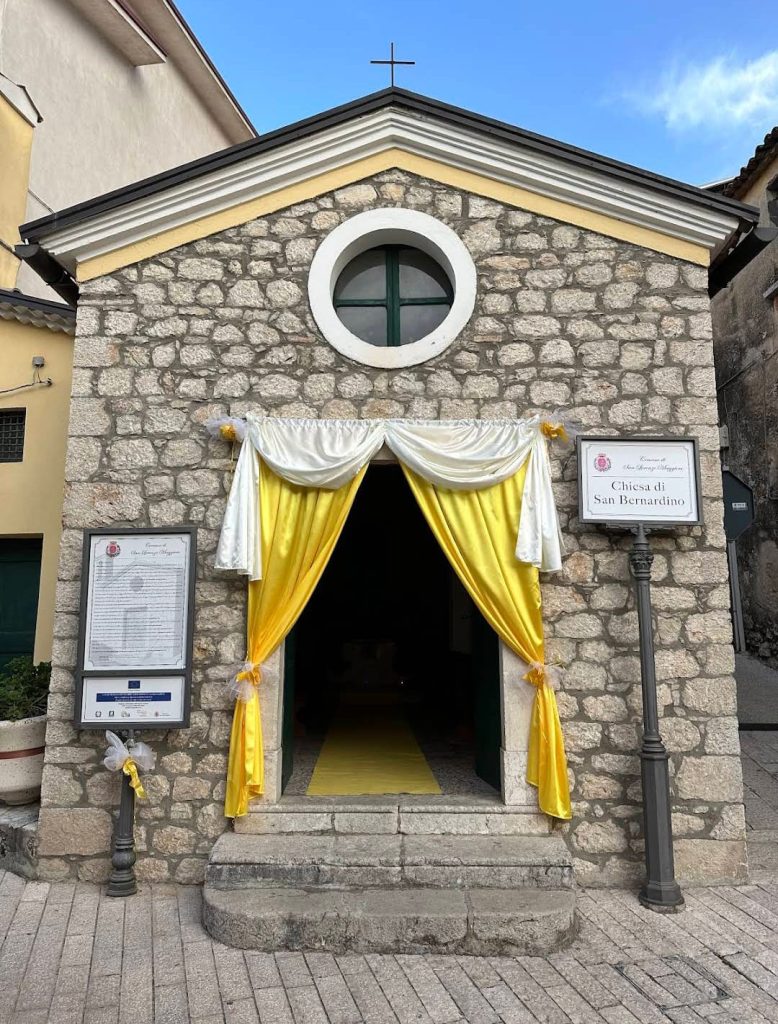
Smaller churches, such as the Church of San Bernardino and the Church of San Rocco, house exquisite works in marble from Vitulano, paintings, decorations, and statues of remarkable beauty.
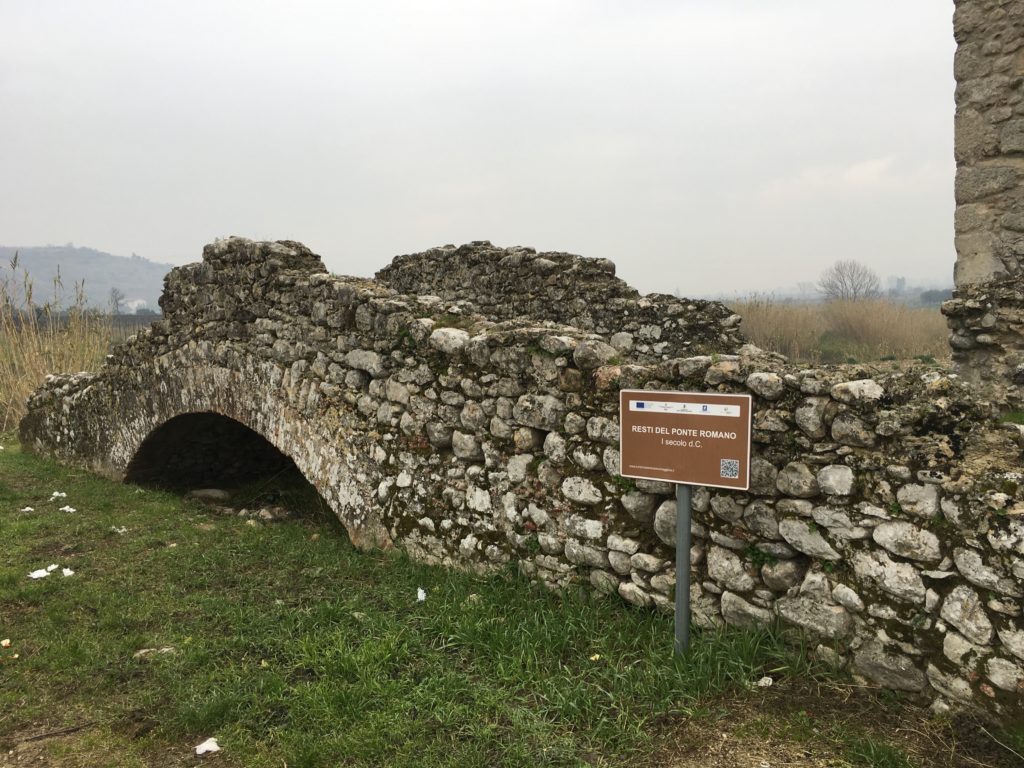
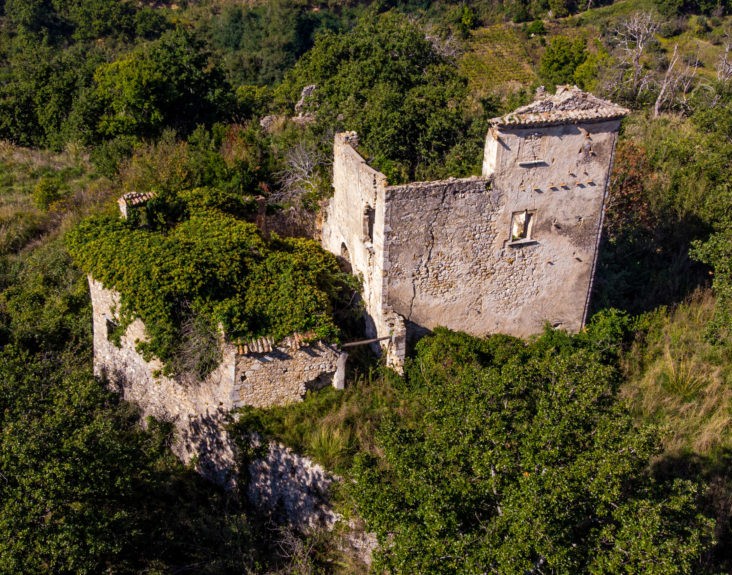
The town, having experienced strong Roman and Samnite influences, features archaeological sites. Near the Church of Santa Maria della Porta, the remains of a Roman bridge can be found, which was restored in the medieval period and built to allow the Via Latina to cross natural obstacles. Tradition holds that Hannibal passed over this bridge. On the tip of a small hill called Toppo di Limata, the ruins of a castle can be found, built during the Lombard period and later expanded.
A bit of history
In the heart of Sannio, the territory of San Lorenzo Maggiore holds a history that dates back to ancient times. Even in prehistoric times, humans left traces of their passage: among these is the famous “Chelles almond,” a polished quartzite shard likely used for hunting, discovered in 1915 in the Limata area and now preserved in Paris. Centuries later, during the Middle Ages, Limata became an important settlement. In 663 AD, it was the site of a bloody battle between the Lombard troops of Count Mittola of Capua and the Byzantine army of Emperor Constans II, who was defeated in the conflict. Due to its strategic location along the Calore River, Limata thrived in trade and experienced rapid population growth around the year 1000.
With the arrival of the Normans, the town became a stronghold of the powerful Sanframondo counts. In 1151, William I Sanframondo mentioned the Limata castle among his possessions, donating part of the land to a monastery. Centuries later, in 1382, the castle hosted Louis I of Anjou, who came to avenge the murder of Queen Joanna I of Naples. The Sanframondo family had to feed an entire army of knights and horses. In the 15th century, Limata passed to the Carafa counts, but their neglect of the town, combined with the miasmas from the Calore River, led to the gradual abandonment of the village. In 1570, its last priest was appointed, marking the end of an era. The surviving inhabitants sought refuge on nearby hills, giving rise to what is now San Lorenzo Maggiore. By 1532, the new center had 81 families, a number that grew to 206 in 1595.
The town was governed as were other villages in the Kingdom of Naples, with a council elected by land-owning citizens and under the control of the Governor of Cerreto Sannita. However, its growth was marked by dramatic events: the 1688 earthquake destroyed much of the settlement, which was quickly rebuilt, and by 1724, the population had reached 1,700.
After the Unification of Italy, San Lorenzo Maggiore also experienced the shadows of brigandage, a reminder of a past marked by struggles, migrations, and rebirths. Today, the village retains the memory of Limata and its history, a link between the past and the present that continues to live in its streets and traditions.
Curiosity
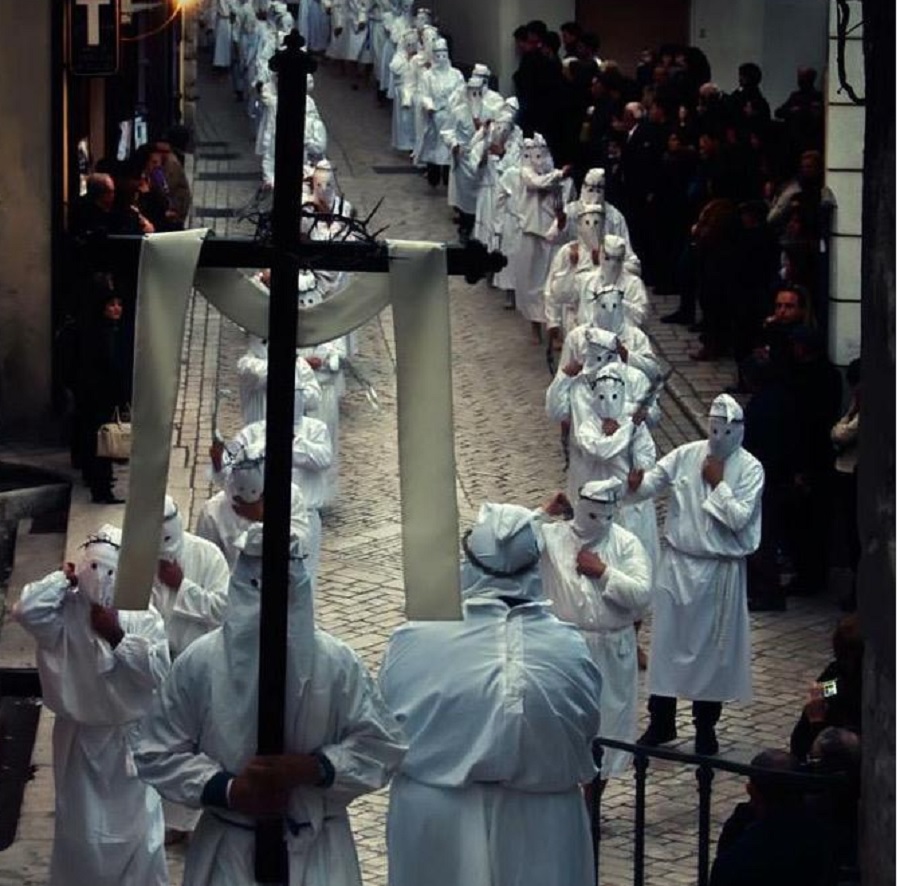
Ogni Venerdì Santo per il paese sfilano i battenti: uomini, donne e bambini senza volto e senza voce, coperti da un cappuccio e una tunica bianca che li rende irriconoscibili. I penitenti partono dalla chiesa per proseguire in una processione in cui camminano scalzi flagellandosi con la disciplina, una catena formata da piastre di ferro legate tra loro, camminano per i vicoli del paese per poi tornare al punto di partenza dove continuavo a colpirsi ancora più intensamente. Il motivo del percuotersi è quello di avvicinarsi a Cristo e al dolore che ha provato, in epoca medievale era invece un gesto principalmente indicato ad espiare i propri peccati.
Ogni anno, la prima domenica di luglio è dedicata alla tradizione della sfilata dei “carri di grano” in devozione alla madonna della Strada, le composizioni rappresentano soggetti sacri e vengono trainati da trattori, sfilano finché arrivati nel piazzale del convento si fermano allineati e vengono benedetti dal sacerdote.