

Location
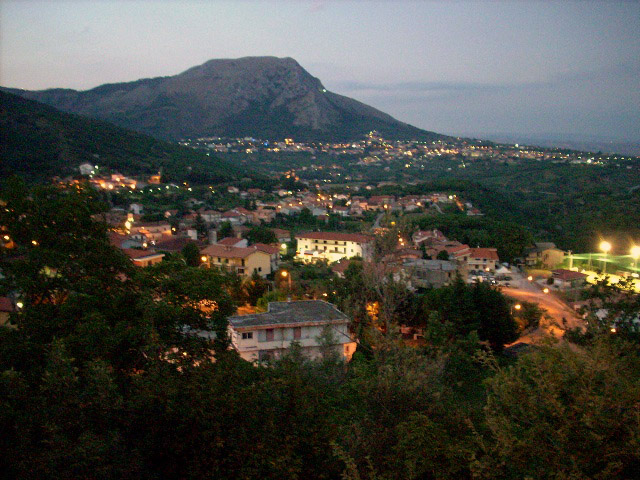
Cautano is a village in Campania, located on the slopes of Mount Taburno-Camposauro, in a central position with respect to the “Dormiente del Sannio” and the entire Vitulanese Valley of which it is part. Its territory is crossed by the Jenga streams and its tributary Jerino, as well as other minor waterways. The height above sea level is 385 meters, with an excursion in the municipal territory from the minimum of 161 meters (in the Loreto district) to the maximum of 1325 meters (on the coasts of Camposauro), with an excursion therefore of 1164 meters.
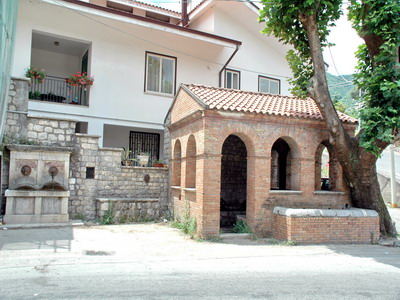
Not to be missed
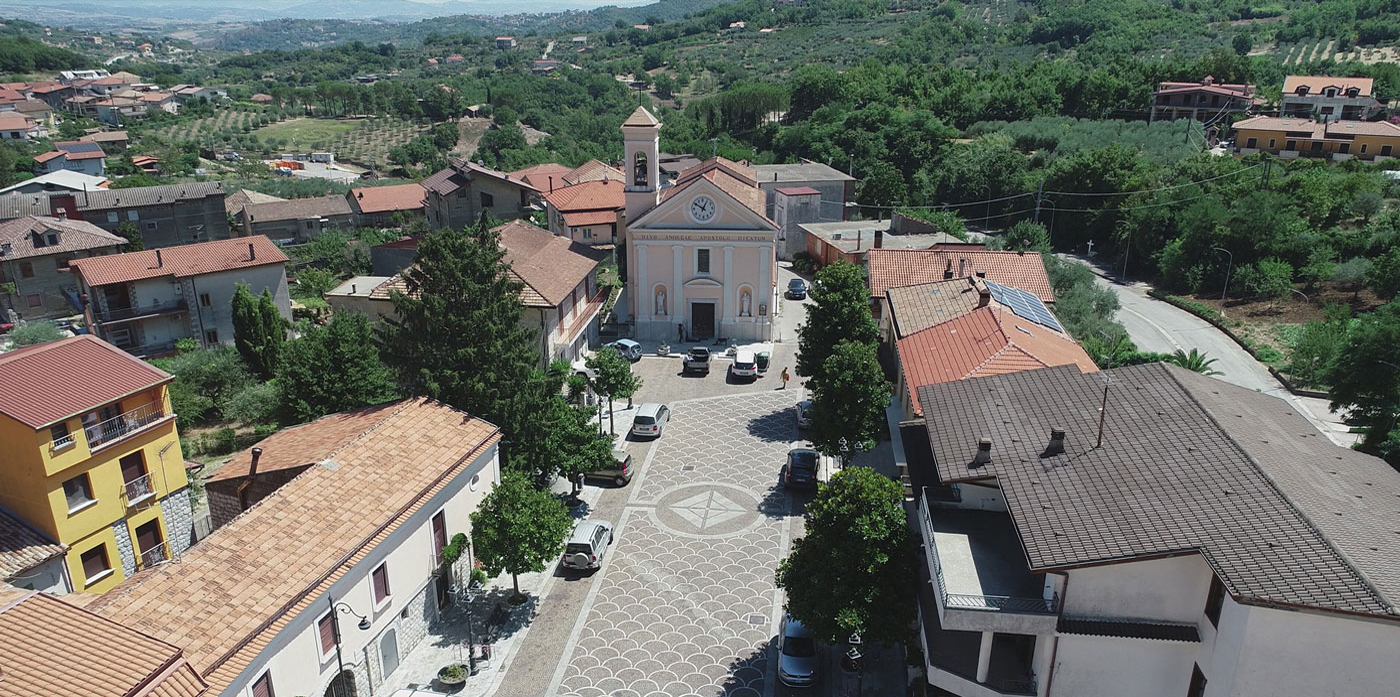
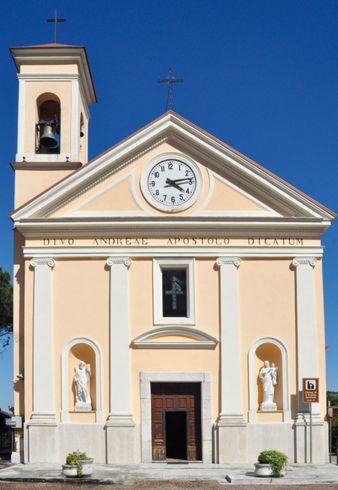
Cautano is a corner rich in history and nature. You can’t miss the Church of Sant’Andrea Apostolo, which in 1109 became the religious hub of the valley, surpassing that of Tocco. The church is a silent witness to centuries of changes.
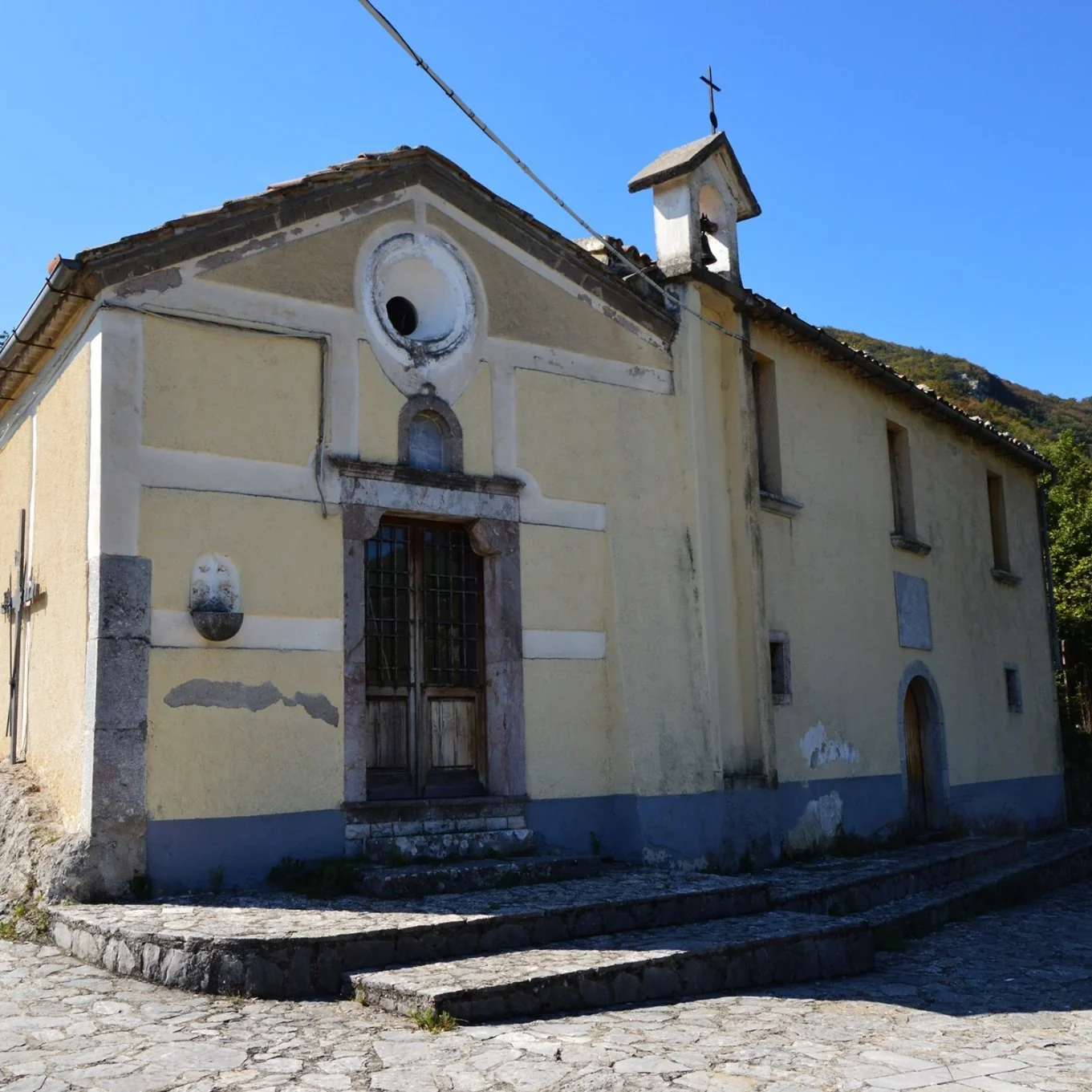
Another fascinating place is the stony chapel of San Rocco, dedicated to the patron saint of the village.
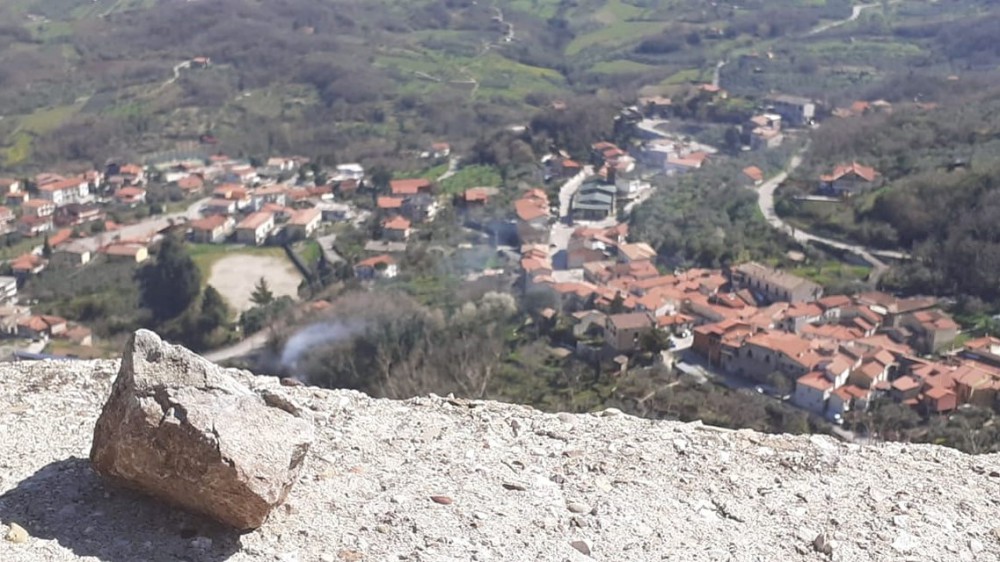
Dating back to the 17th century, it was consecrated in 1707. It stands in the highest part of the village, on a hermitage from which it is possible to admire a splendid panorama of the entire town. The chapel stands on the ancient communication route towards Frasso Telesino.
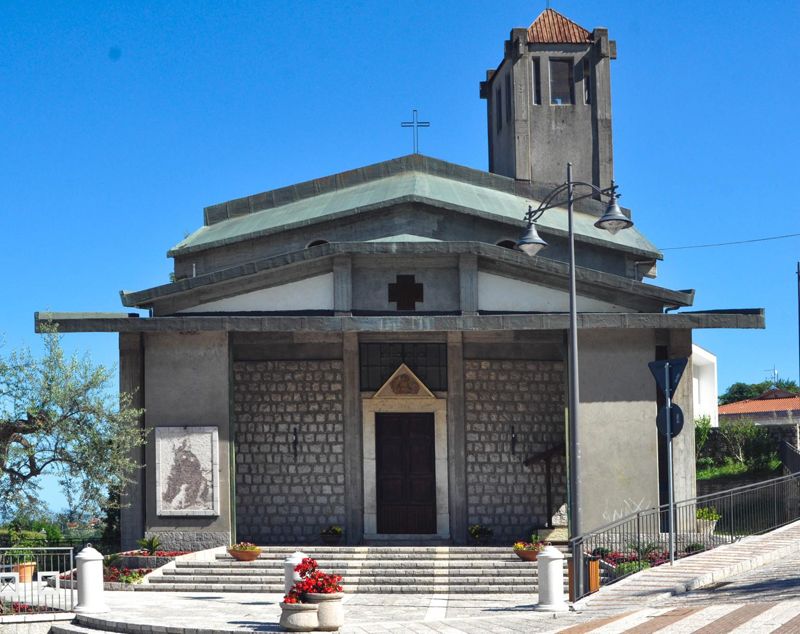
The Church of Santa Maria delle Grazie is the most important place of worship and religious landmark for the locals, regularly hosting religious services and community events. The architecture of the church reflects the typical style of religious buildings in the region, with decorative elements that enrich its appearance both internally and externally.
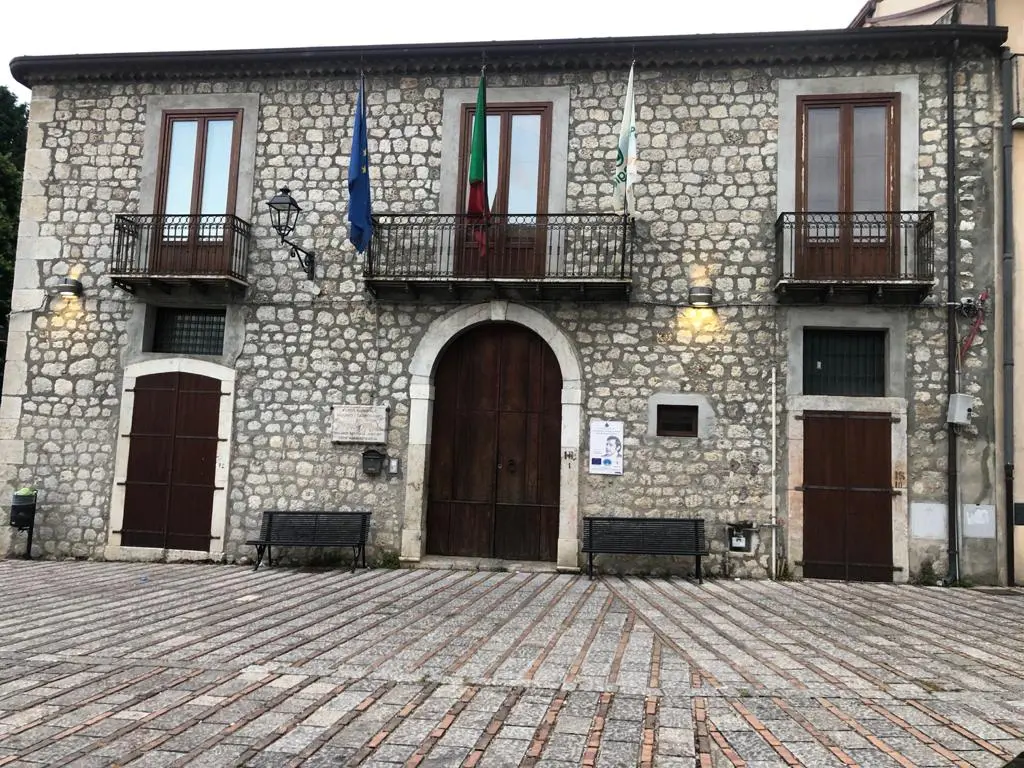
Palazzo Caporaso, which includes a natural area rich in biodiversity, is an important reference point for environmental conservation and ecological tourism. The historically significant palace also hosts cultural and administrative activities related to the management and promotion of the park, thus contributing to the enhancement of the territory and its natural resources.
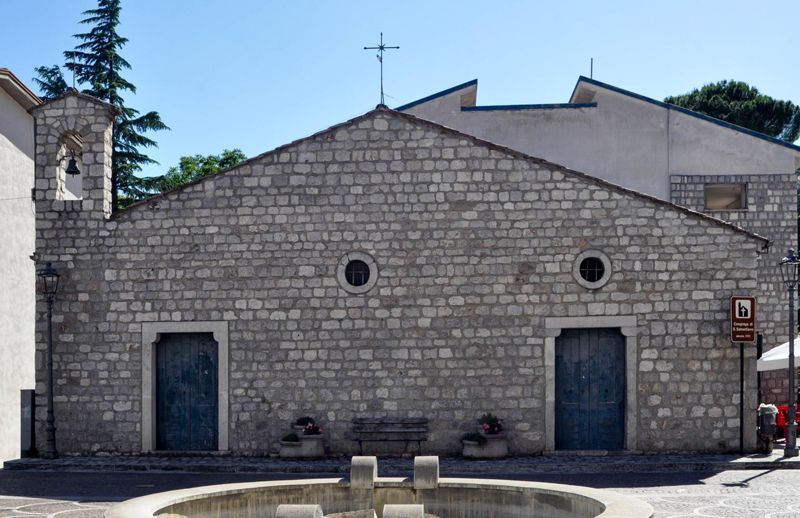
Finally there is the Congregation of San Sebastiano, in Byzantine style, which features two altars: the Altar of San Sebastiano, so called because behind it there is the painting of San Sebastiano Martire, a work by the famous Neapolitan painter Giuseppe Castellano, and the Altar of San Pasquale Baylon, so called because inside the niche, which stands above the altar, the statue of San Pasquale Baylon is kept.
A bit of history
The town of Cautano with Cacciano and Fornillo, located in Taburno, belonged to the Duchy of Benevento during the barbarian raids. Cautano is mentioned in a document from 852, while in 1109 the Church of Tocco lost influence in favor of that of Sant’Andrea a Cacciano. The name Cautano recalls the Samnite city Caudium, and some hypotheses connect the place to the Caudine Forks, where the Roman army was defeated. In the 17th century, Cacciano di Tocco had 136 families. In 1806, with the transfer of the capital from Montefusco to Avellino, Cautano and Cacciano were unified as Cacciano-Cautano. In the 19th century, Cautano and Cacciano were united under a single municipality, but in 1851 Cacciano was suppressed. With the Unification of Italy, Cautano became part of the Vitulano district in the district of Benevento.
Curiosity
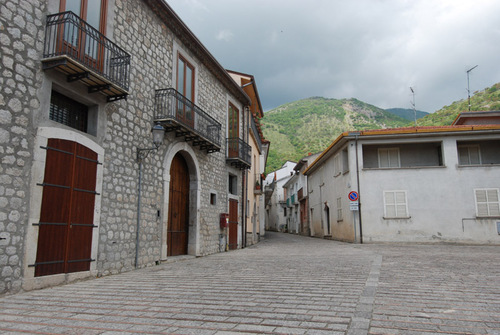
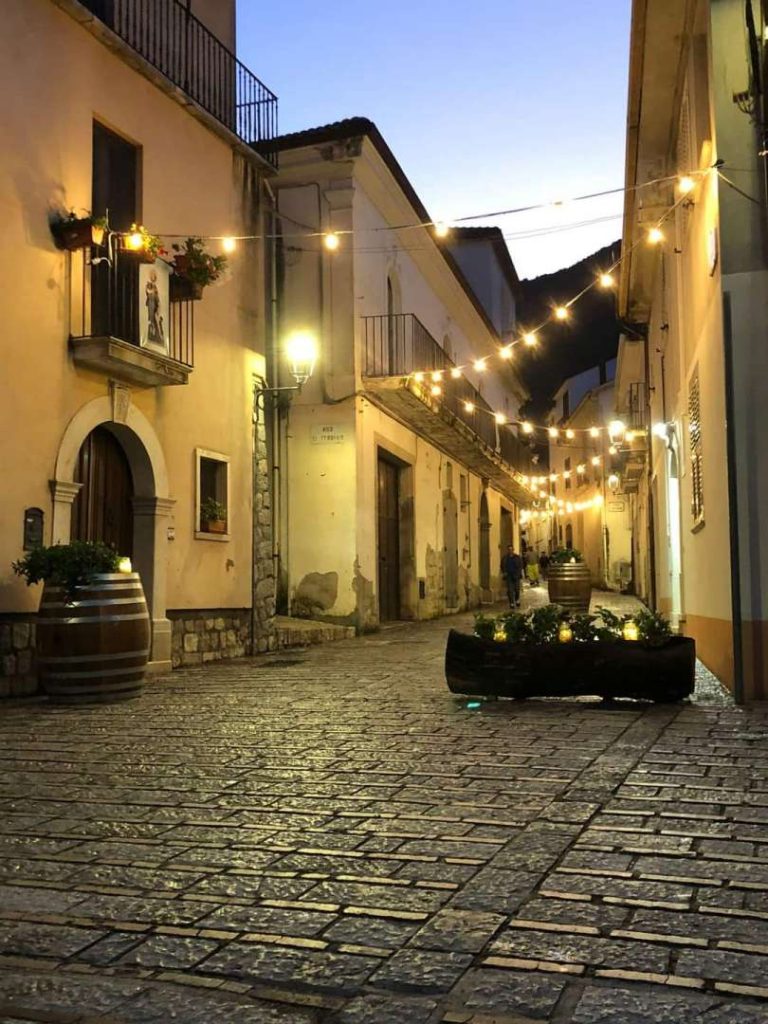
In August, the event “Tra i vicoli di Cautano” takes place, which represents the ideal opportunity to discover the beauties of the small village, wandering through its charming streets.
Through gastronomic itineraries, art exhibitions, cultural events, local craft shops, music and dance, the ancient origins of this small village are brought to light. Local craftsmanship is exhibited in special settings: the ancient noble palaces of the village, the old stables and the old ovens. a stage finish of the Giro the stage victory went to Paolo Tiralongo.