

Location
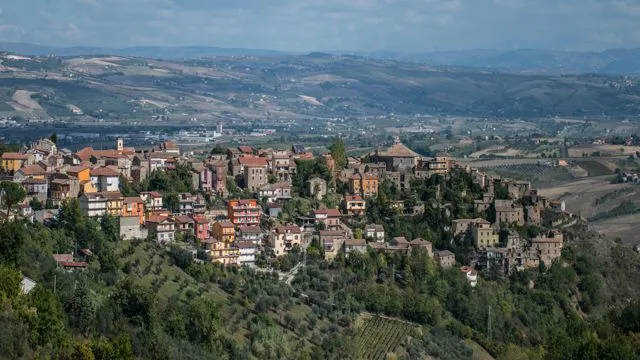
Castelpoto is a charming small town located in the heart of Campania, nestled among the green hills of the Taburno Massif. It is crossed by the Calore River, near its confluence with the Jenga stream. Castelpoto offers a peaceful atmosphere and a landscape that tells stories of tradition and beauty, making it the perfect place for those seeking an authentic escape into the heart of Campania’s nature, far from the hustle and bustle of large cities.
Not to be missed
Castelpoto is a fascinating town in the province of Benevento, rich in history and natural beauty. Strolling through the streets of the town center allows you to admire the traditional architecture and the authentic atmosphere of the village. Don’t forget to stop and observe the details of the stone houses.
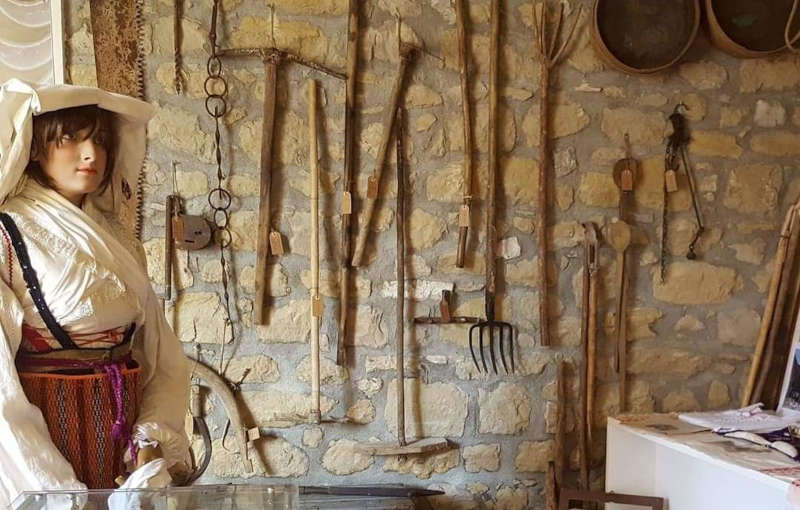
The ethnographic museum of Castelpoto was established in 2017 by the Pro Loco association with the goal of collecting, preserving, and promoting the anthropological heritage of the area. Visitors to the museum can immerse themselves in a captivating environment, reliving the history and experiences of an entire community through historical artifacts.
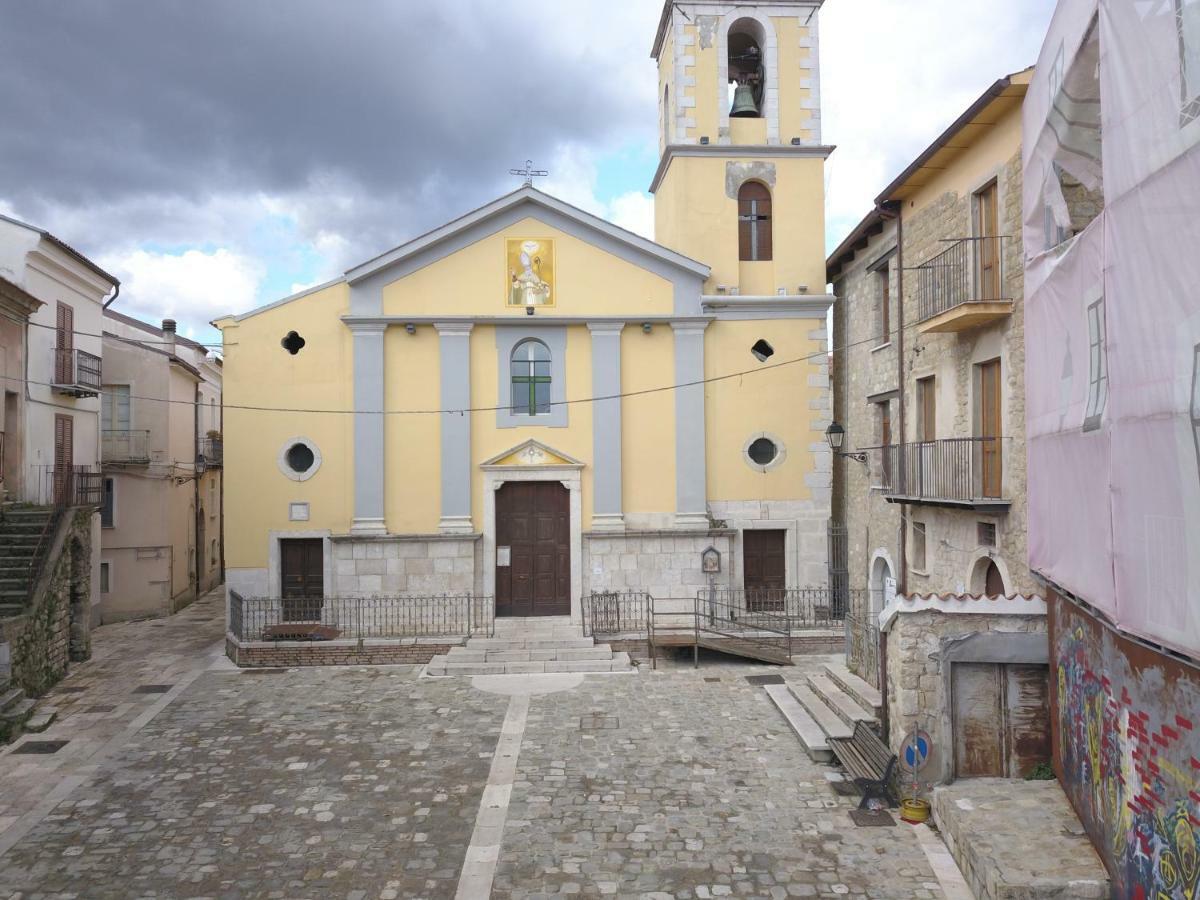
The Church of San Nicola di Castelpoto is located in the town center, specifically in Piazza Libertà. The roof is made of tiles (trapezoidal brick slabs) covered with roof tiles, without a ceiling. On the entrance door, facing east, there is a niche with a painted image of the Madonna, flanked by Saint Nicholas and Saint Dominic. Before assuming its current form, the church underwent numerous modifications due to the damage it had sustained. In 1818, the left nave was added, incorporating the arms of the original Latin cross layout, along with the addition of a bell dedicated to the Madonna and Saint Nicholas.
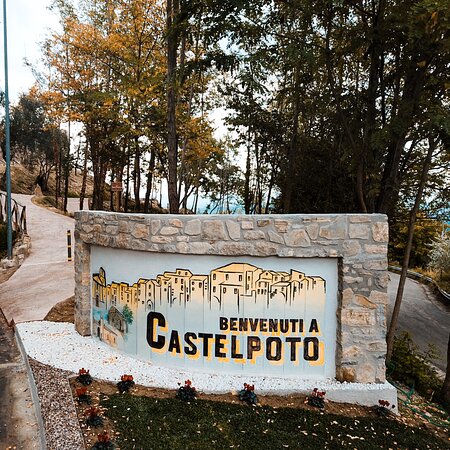
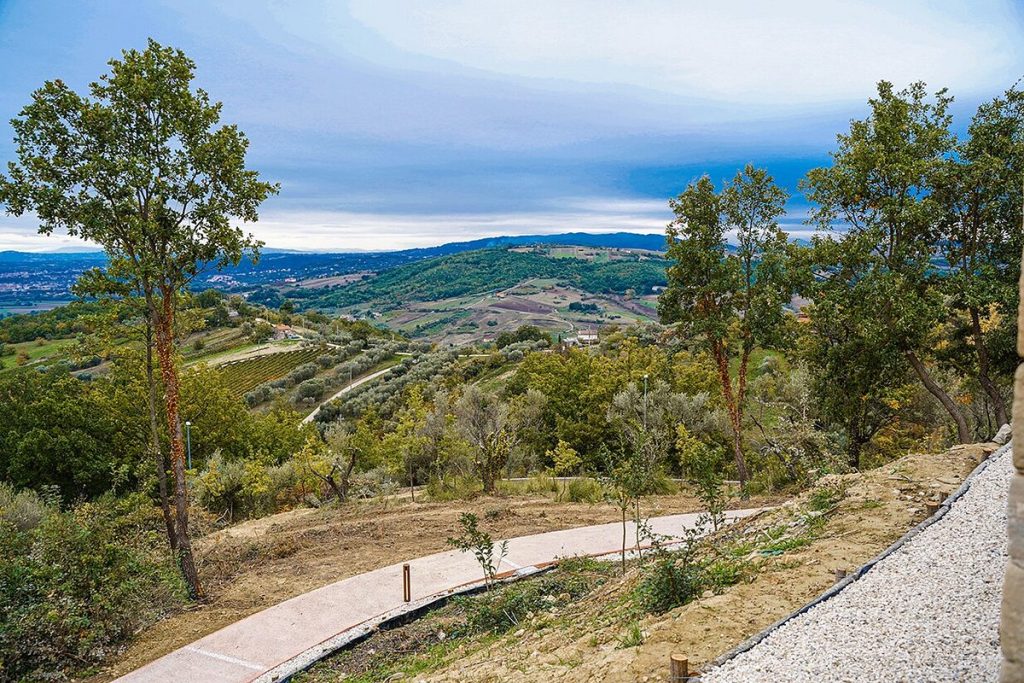
Park Sant’Andrea is an urban park where you can enjoy an exceptional view, surrounded by over twenty centuries of history. From the natural terrace where the church stands, you can admire an extraordinary landscape, with a view stretching across the Valle del Calore, the Benevento hills, and extending all the way to the Fortore River and the Province of Foggia.
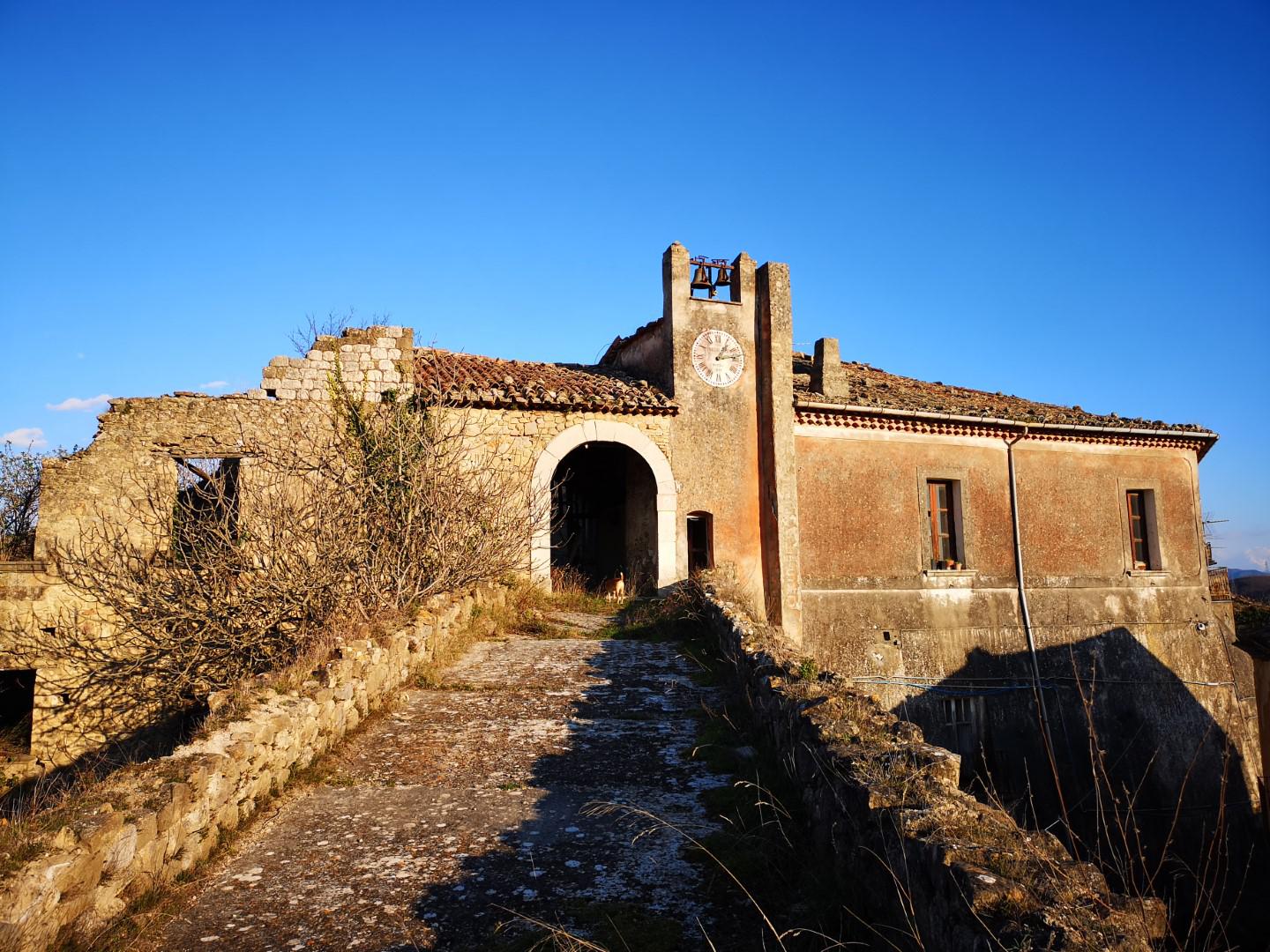
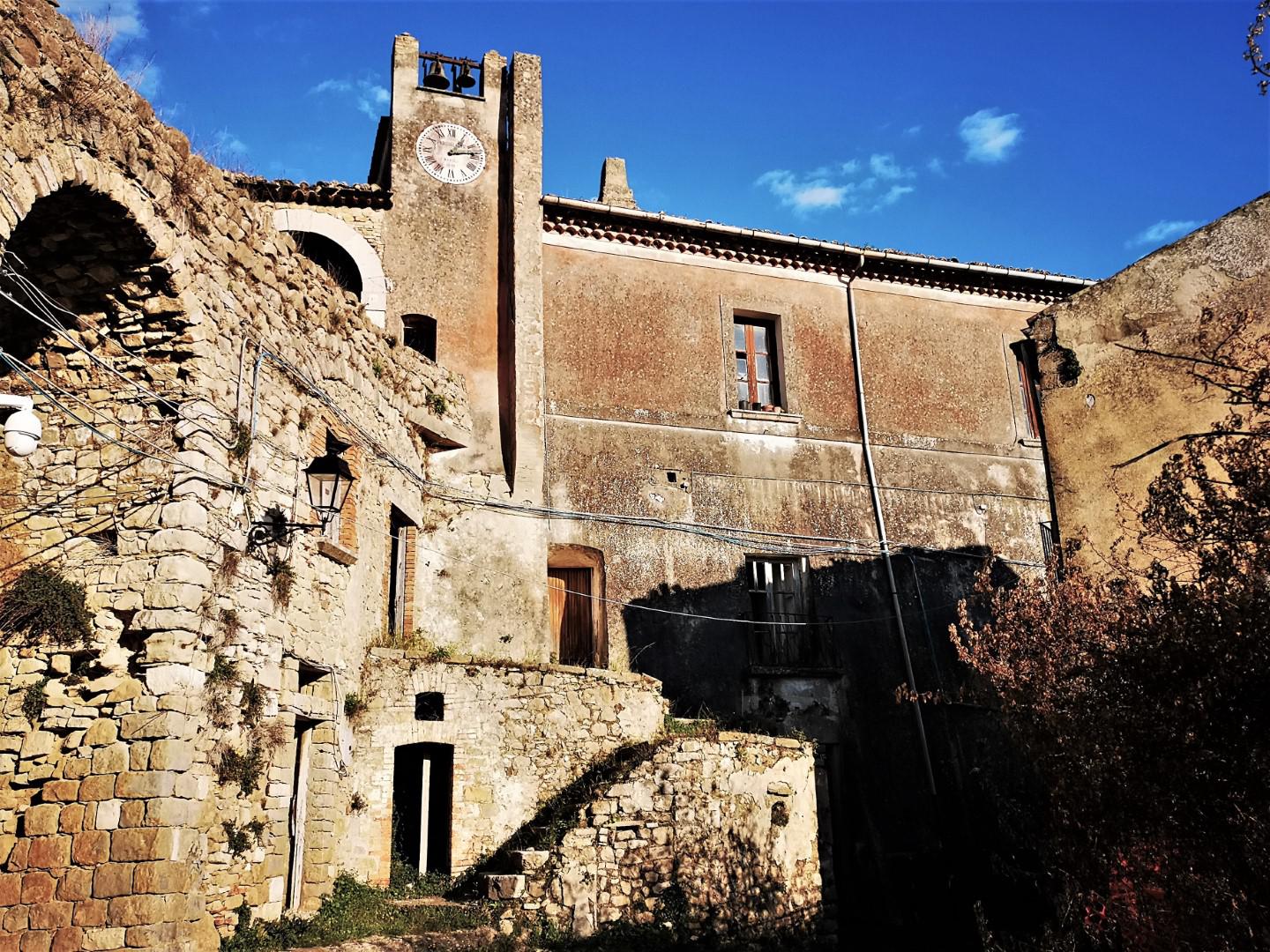
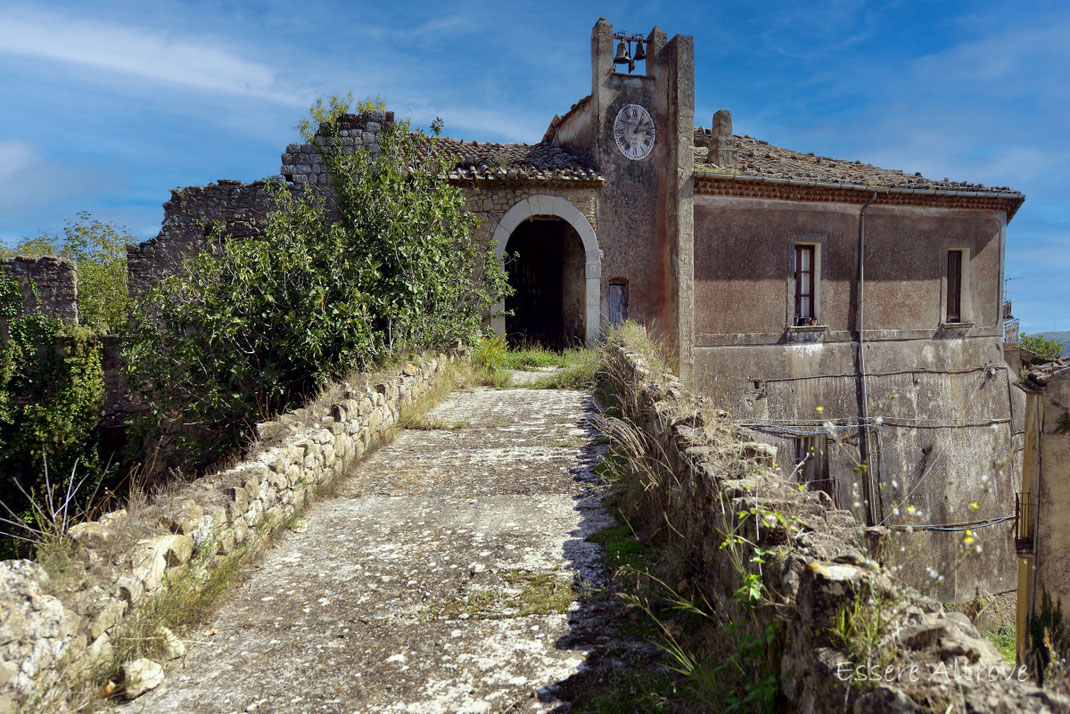
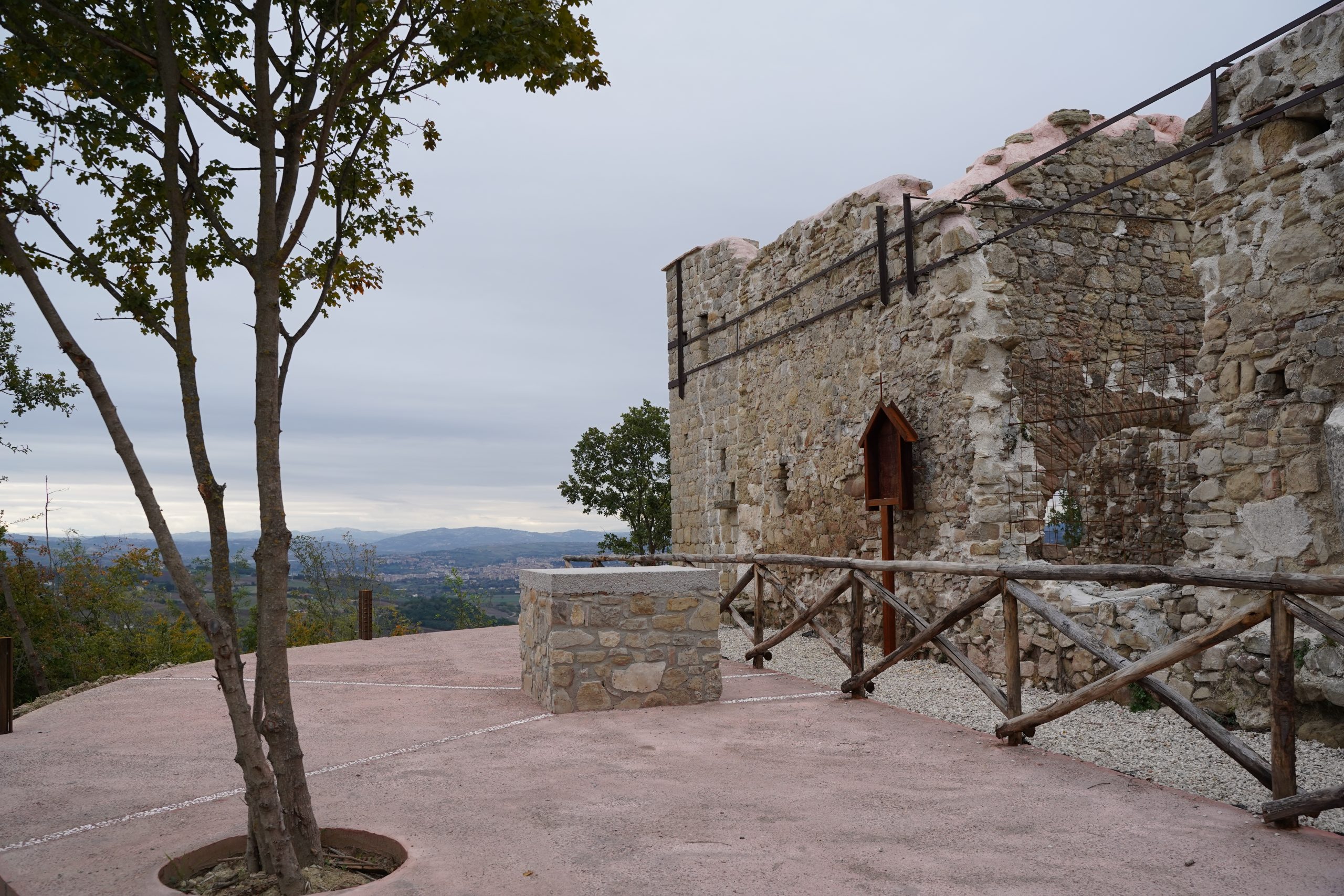
Castle of Castelpoto: Although in ruins, the castle offers a spectacular panoramic view of the surrounding valley. It’s a great spot to take photos and enjoy the breathtaking landscape.
Natural Landscapes: The surroundings of Castelpoto are characterized by hills and unspoiled nature. If you enjoy walking, there are trails that will take you to discover the beauty of the landscape.
A bit of history
The name “Castelpoto” likely derives from “Castellum Potonis,” meaning “castle of Potone,” a Lombard prince believed to be the founder of the town. However, there are other interpretations of the name’s origin. One, proposed by Rev. De Mennato, suggests it comes from the Latin etymology “Castrum Potens,” referring to the town’s geographical position, which dominates the route of the Via Latina. Another interpretation is supported by a Neapolitan memorialist, who refers to a funerary inscription in the “Pietra Santa” church in Naples, found on the tomb of a young priest from the Puoti family.
The origins of Castelpoto date back to the Samnite-Roman period, as evidenced by inscriptions and artifacts found in the area. The town arose on a hill overlooking the Calore Irpino Valley and the Benevento plain. It developed under the dominion of the Lombards and Normans, enduring the turbulent struggles between the neighboring Papal territory of Benevento and the Swabian Kingdom. After a brief period of Papal rule, Castelpoto was occupied and subjugated by Frederick II. Subsequently, the town fell under the control of the Angevins, the Aragonese, and the Spanish, while maintaining its political and administrative identity, from the Kingdom of Naples until the unification of Italy.

Curiosity
Local Traditions: The community is deeply connected to its traditions, with festivals and fairs that celebrate the local culture, such as the Feast of San Giovanni Battista, which attracts visitors from all over the region.
Traditional Cuisine: The local gastronomy is another fascinating aspect, with typical dishes that reflect the Campanian culinary tradition, such as homemade pasta and meat specialties like the red sausage of Castelpoto.
Outdoor Activities: The area also offers opportunities for hiking and nature walks, making it an ideal destination for outdoor enthusiasts.
red sausage of Castelpoto