

Location
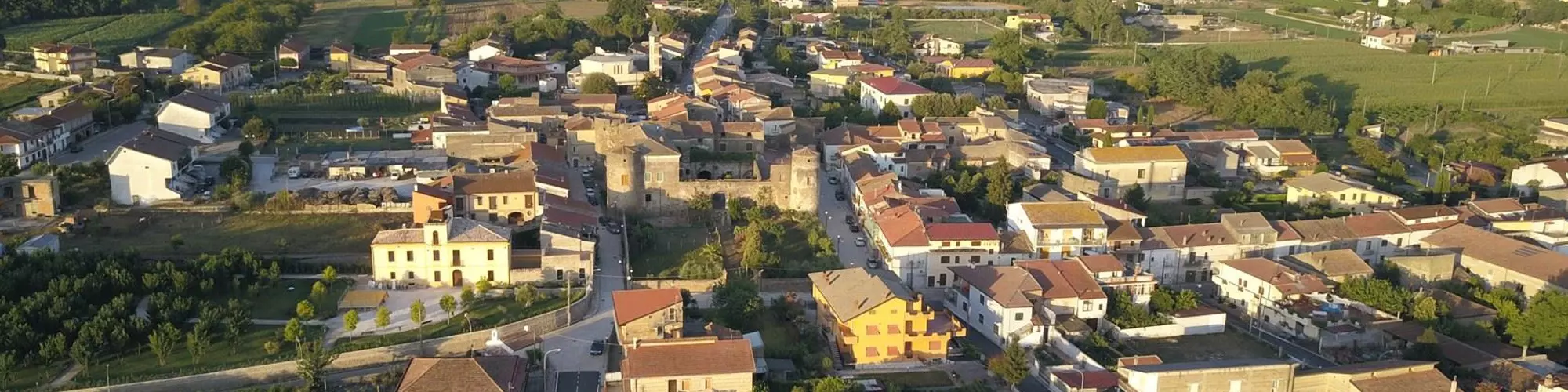
On the borders of the Province of Caserta, in a picturesque landscape rich in greenery and surrounded by a countryside of vineyards and orchards, lies the village of Puglianello. Its documented origins date back to the 9th century, and it is located in a plain not far from the course of the Volturno River, at the foot of Mount Monaco di Gioia, the southernmost extension of the Matese Massif, overlooking the Telesina Valley, south of the Titerno River.
Not to be missed
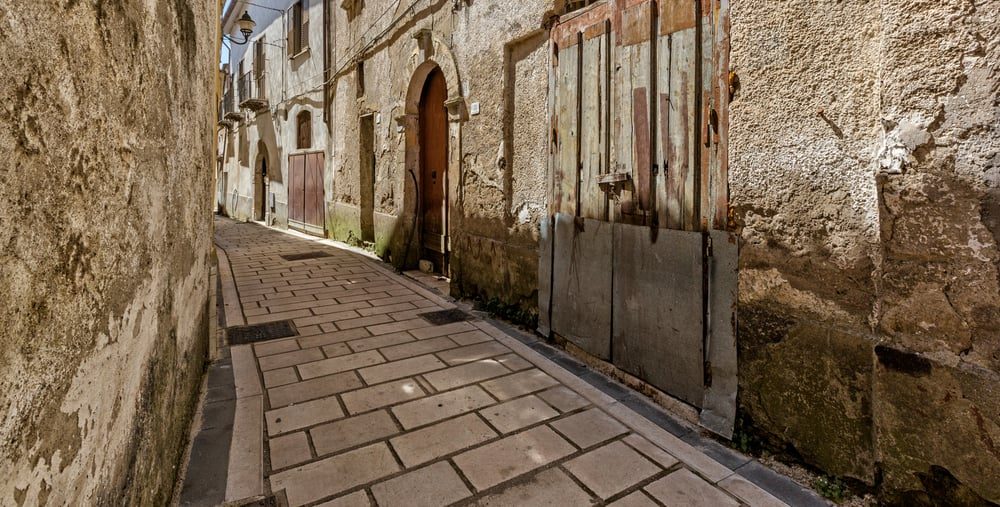
The historic center of Puglianello features historic buildings and churches that tell the story of the town and its traditions.
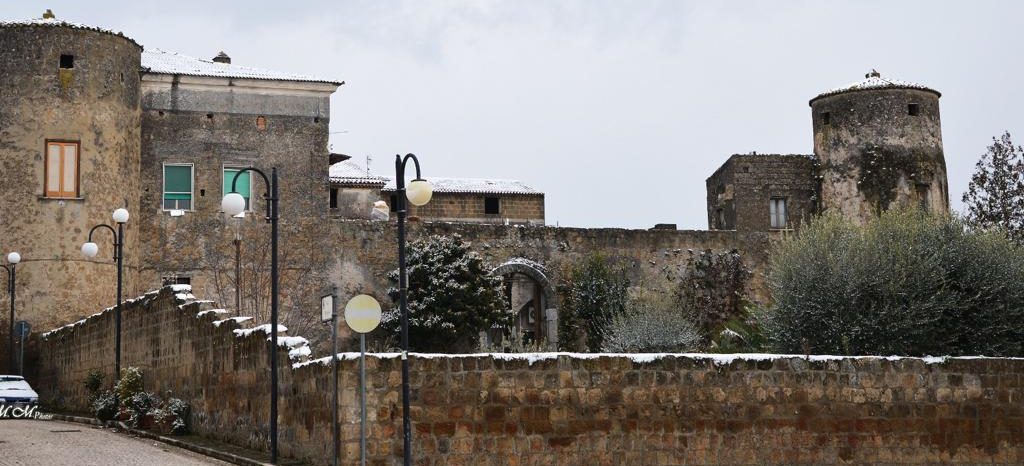
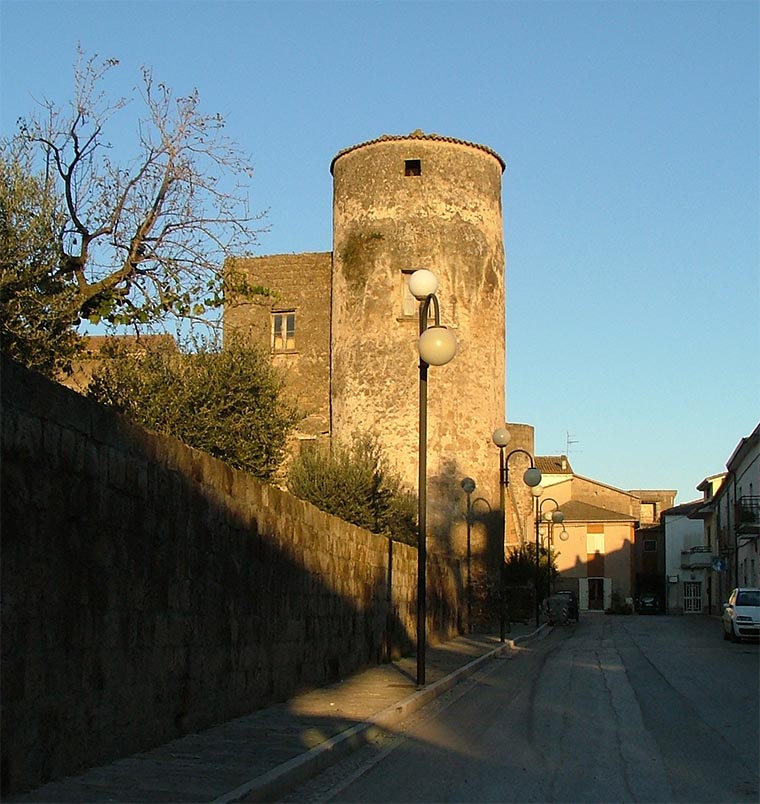
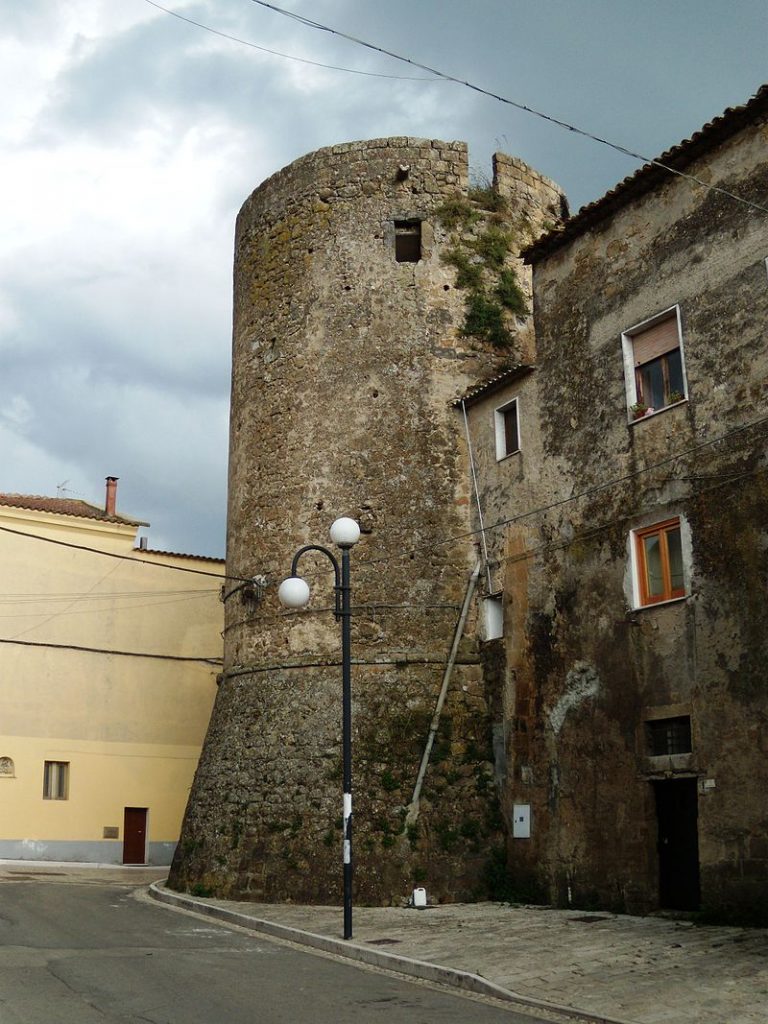
In the small village stands the ancient Baronial Castle, which has undergone several renovations over time. It is currently divided into various residential units and is characterized by four towers that rise at the corners of its rectangular layout.
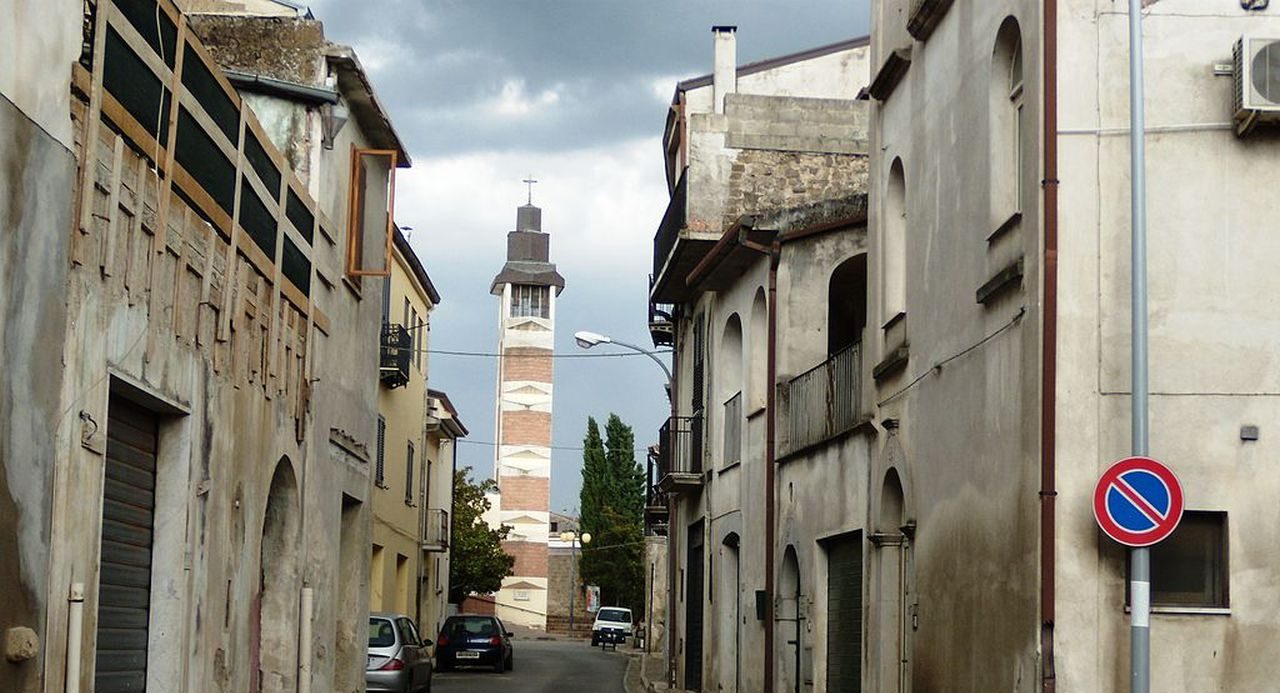
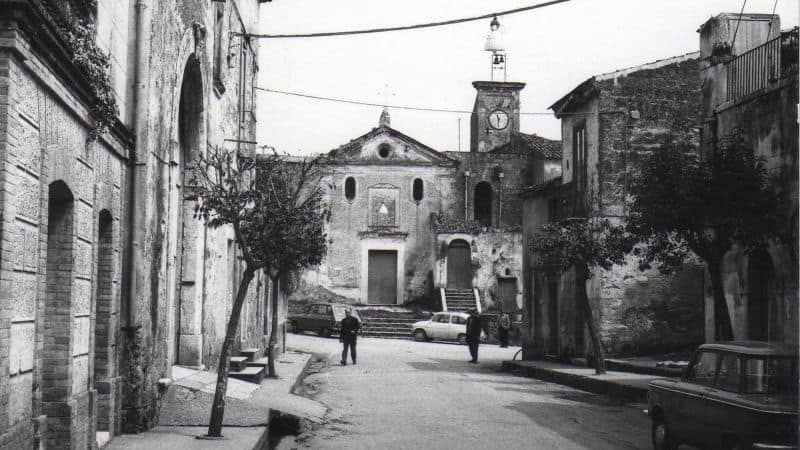
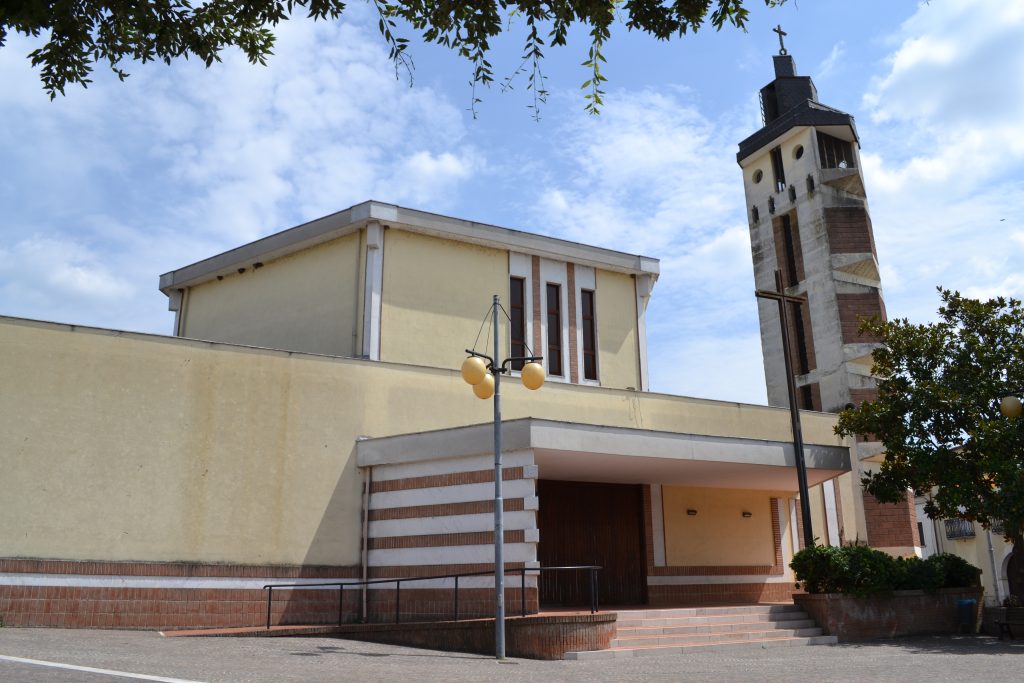
The Church of San Giacomo, mentioned in the 14th century and nicknamed ‘Santa Maria Assunta,’ was rebuilt after the earthquake of June 5, 1688. The cult of Saint James, which had previously been worshiped in a small church that collapsed, was brought to this church. More recently, in 1966, it was entirely reconstructed in modern forms.
A bit of history
The name of the town is believed to derive from Mount Pugliano, the hill located behind Telese Terme. According to other sources, it could have a noble origin, stemming from the family name “Pullia,” with the suffix -anus added, or perhaps some inhabitants of Pugliano moved to the current Puglianello, founding a “small Pugliano,” thus “Puglianello.”
Puglianello was first mentioned in the 9th century. Its original name was “Pullianellu.”
Originally belonging to the Pugliano family of Alife, the town later became an independent fief in the 15th century under the Celano, Paolella, and Martino des Carles of Teano, and subsequently the Guercia family of Naples.
By the end of the 1500s, it had about a hundred inhabitants and continued to depopulate. In a notarial deed from 1702, some citizens of Faicchio declared that “before the plague of 1656, the aforementioned Castle of Puglianello had already been deserted by its citizens, devoid of inhabitants, houses, and dwellings.” The document continues, stating that, since the town was uninhabited, it had become overgrown with vegetation, and only a few buildings remained standing: “the house said to belong to the Baron, although part of it was dilapidated and ruined, the churches of Santa Maria and San Giacomo, and the tavern owned by the Baron.”
Another document from 1667 attests to the town’s abandonment, when the stewards of the Chapel of the Most Holy Body of Christ of Puglianello requested permission from the Bishop of Cerreto Sannita to sell two bells owned by the chapel, as the chapel was falling apart and the inhabitants had moved elsewhere.
In the following years, the feudal lords called in colonists from other areas, who helped repopulate the small town.
In 1848, Puglianello became a fraction of San Salvatore Telesino, and only in 1948 did it become an autonomous municipality.
Curiosity
Gastronomic Culture: The cuisine of Puglianello is typical of the Campania tradition, with dishes made from fresh, local ingredients. Don’t miss the chance to taste the area’s traditional products during local events!
Outdoor Activities: The area offers various opportunities for outdoor activities, such as hiking and cycling, thanks to its scenic trails.
Tour of the historic center