

Location
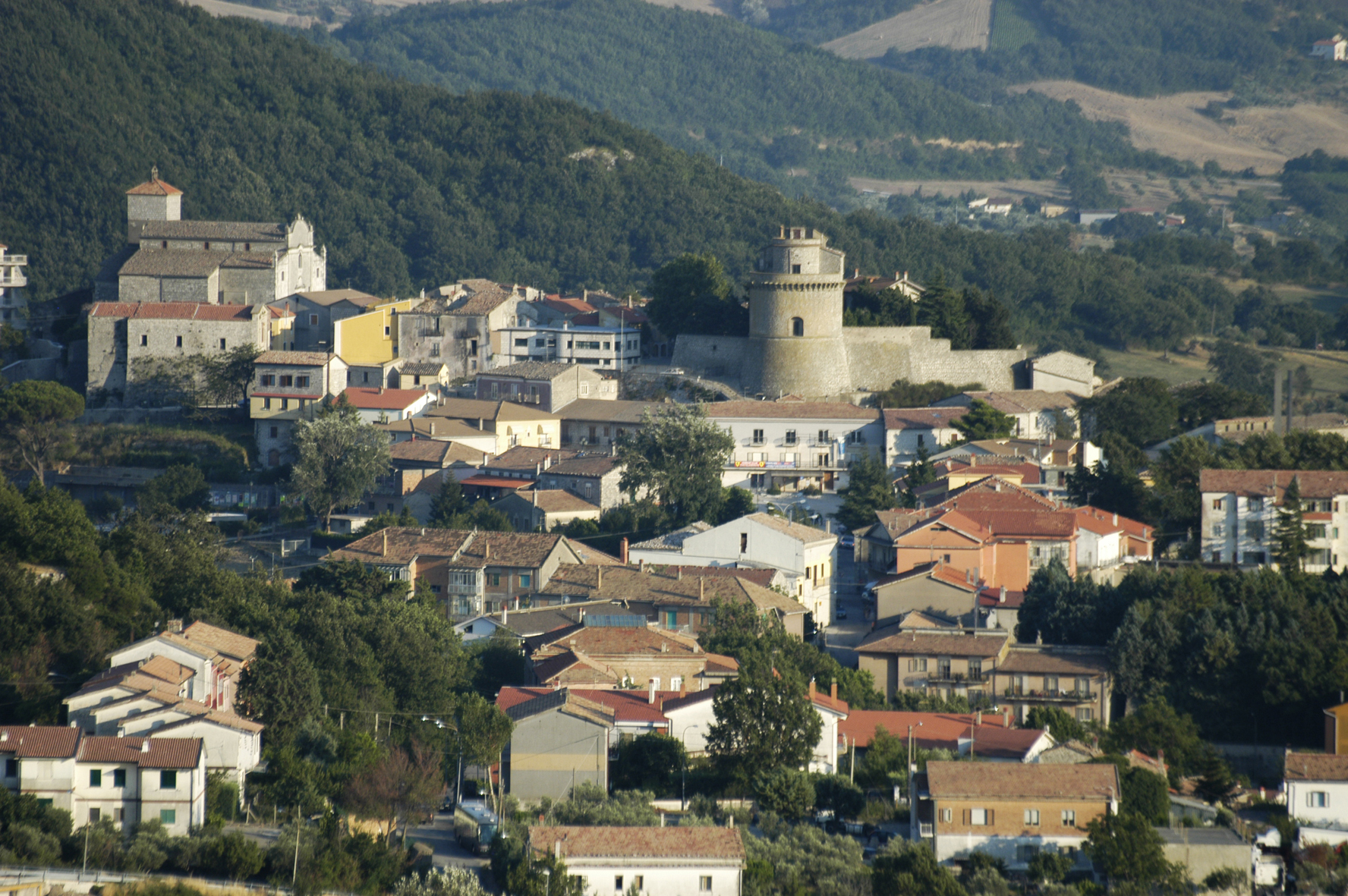
In the heart of ancient Sannio there is a place where the atmosphere is steeped in tradition, love for the land, pride in traditional crafts, genuine attachment to the values of the past. This place is Pontelandolfo.
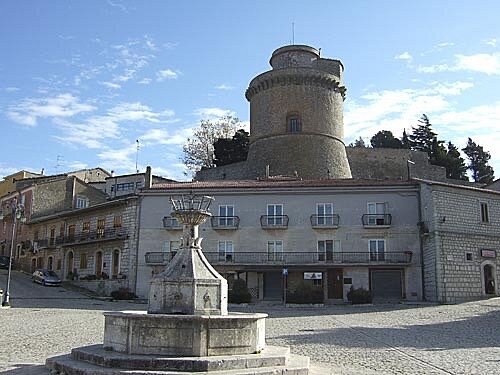
A small medieval village located on the hills to the south-east of the Matese massif, it is part of the Titerno and Alto Tammaro mountain community, dominated by the ancient baronial tower that was part of a much larger architectural complex (a castle, destroyed following the 1688 earthquake, and other towers, connected to the supporting structure by drawbridges).
The town is located in a natural landscape of olive groves and woods.
Not to be missed
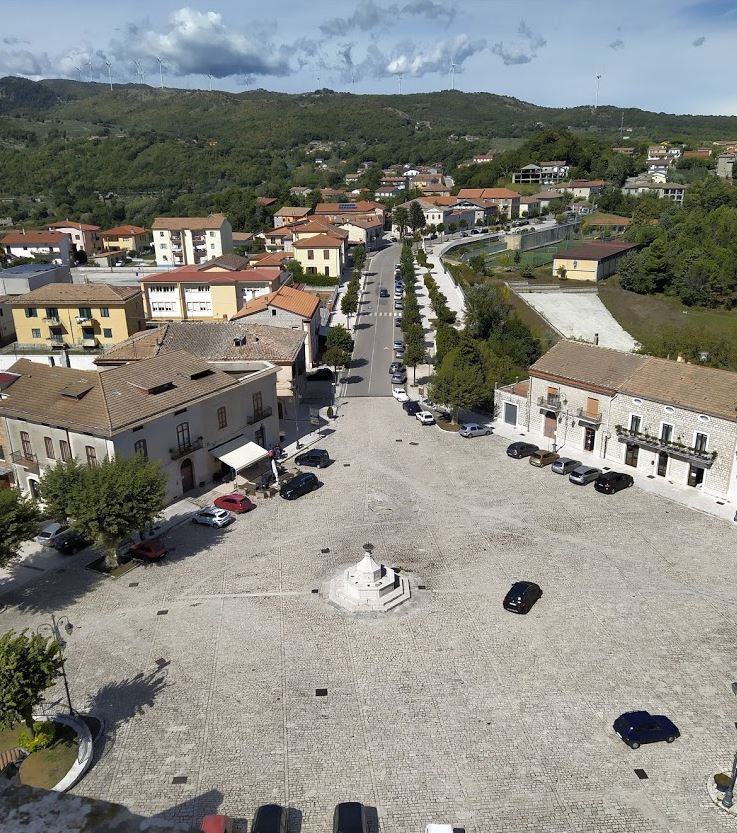
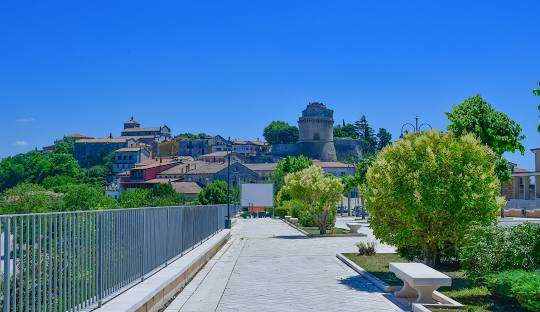
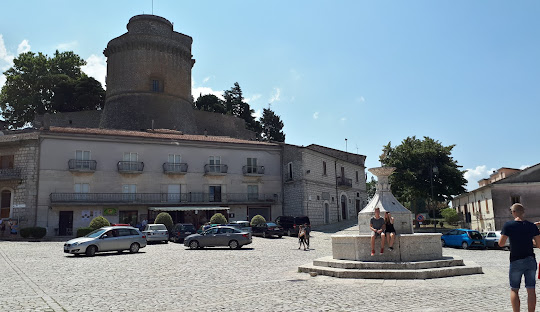
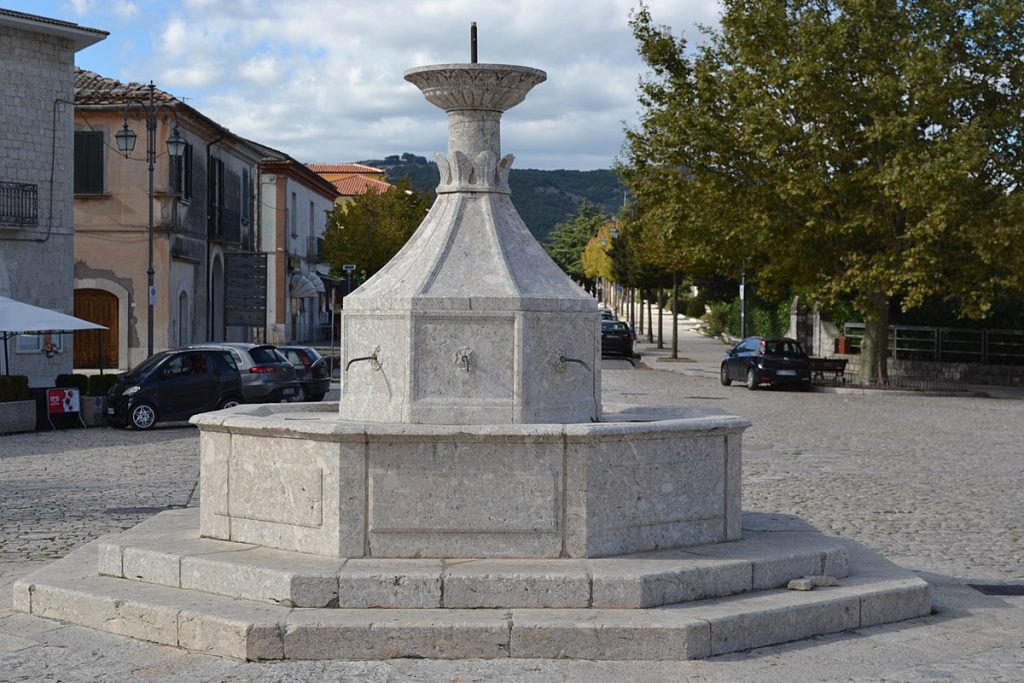
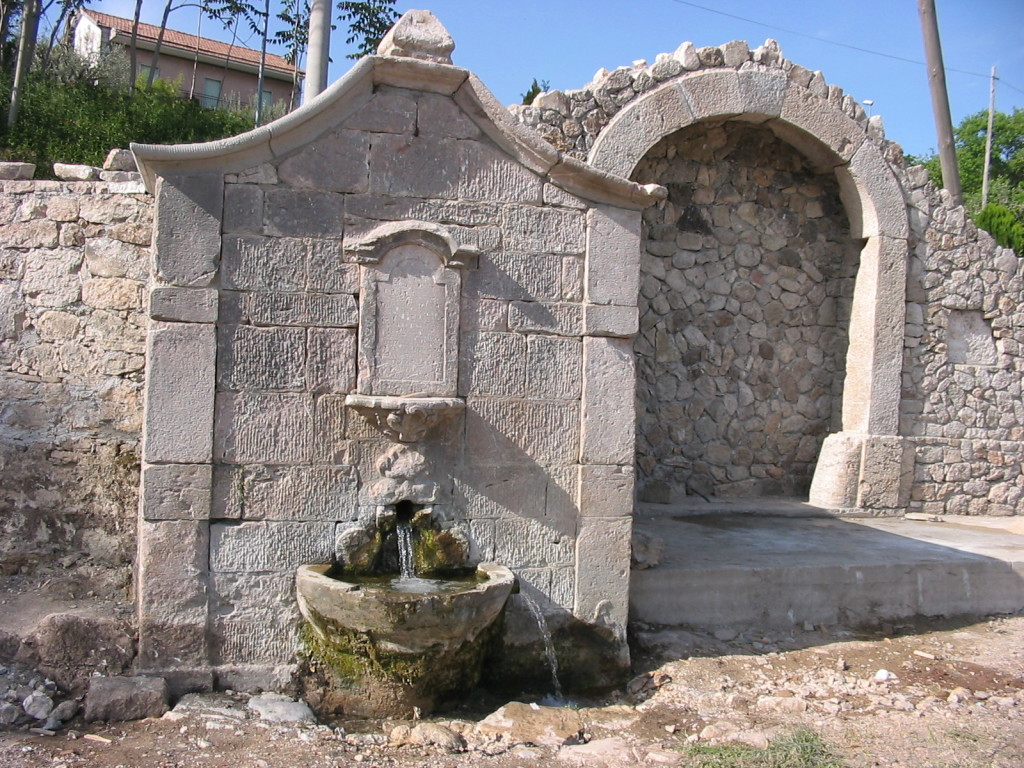
If you are in the area, you cannot miss visiting the small medieval village dominated by the ancient castle, of which today only the visible tower remains standing and is currently privately owned. Over twenty meters high and with a diameter of fourteen meters and a thickness of the base walls of 4.5 meters. Together with this structure, there are two fountains: the Fountain of Piazza Roma, located in the historic center, has a curious baptistery shape, is equipped with eight water spouts and is also called the “Teglia” fountain due to the ancient presence of a giant lime tree and the Fountain Ponte Nuovo, built in 1764 and located in the homonymous location along state road no. 87.
There are several religious buildings to visit including:
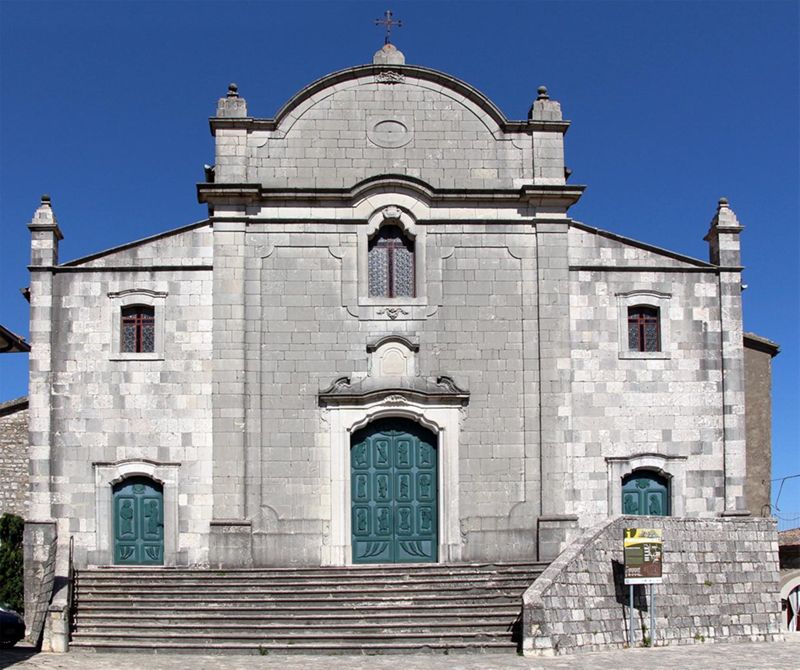
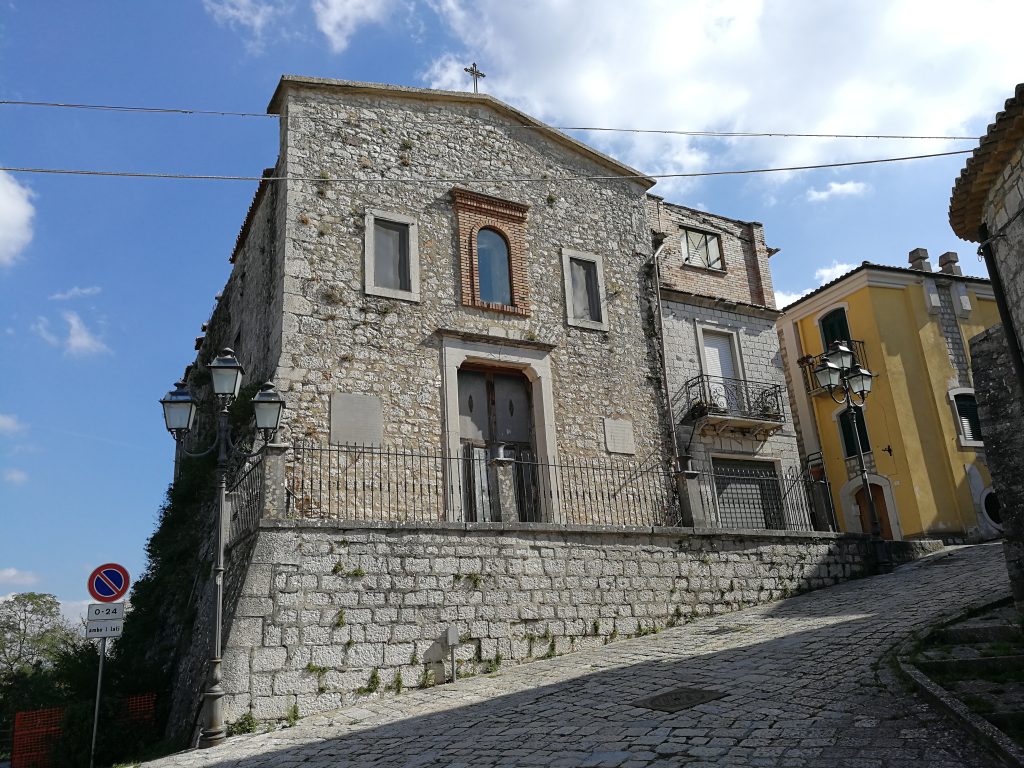
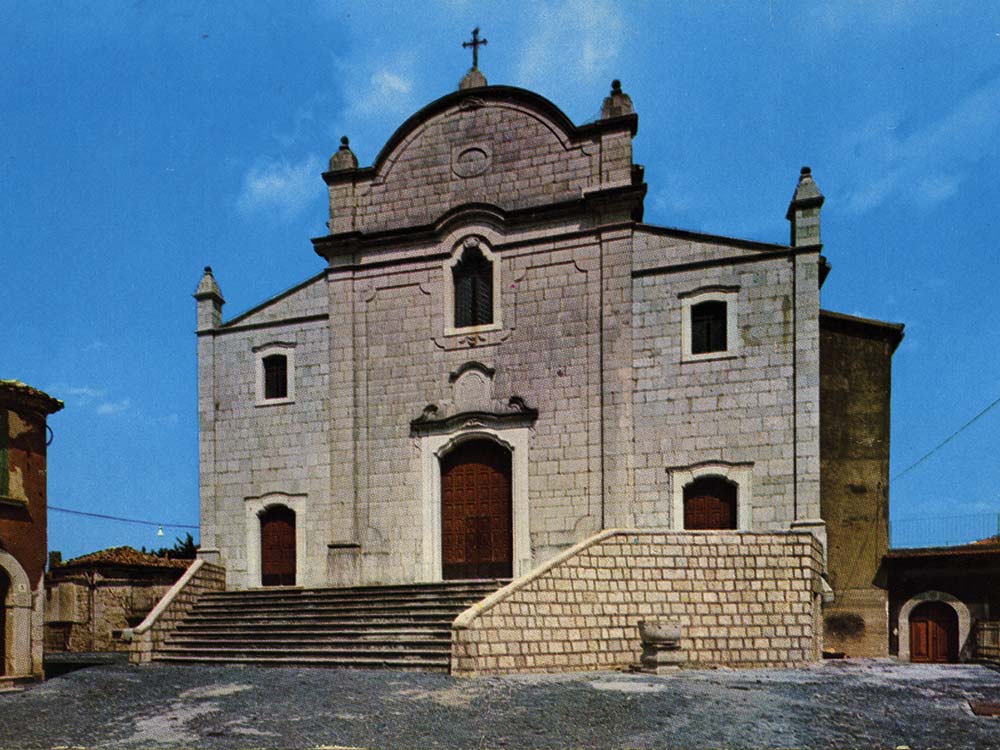
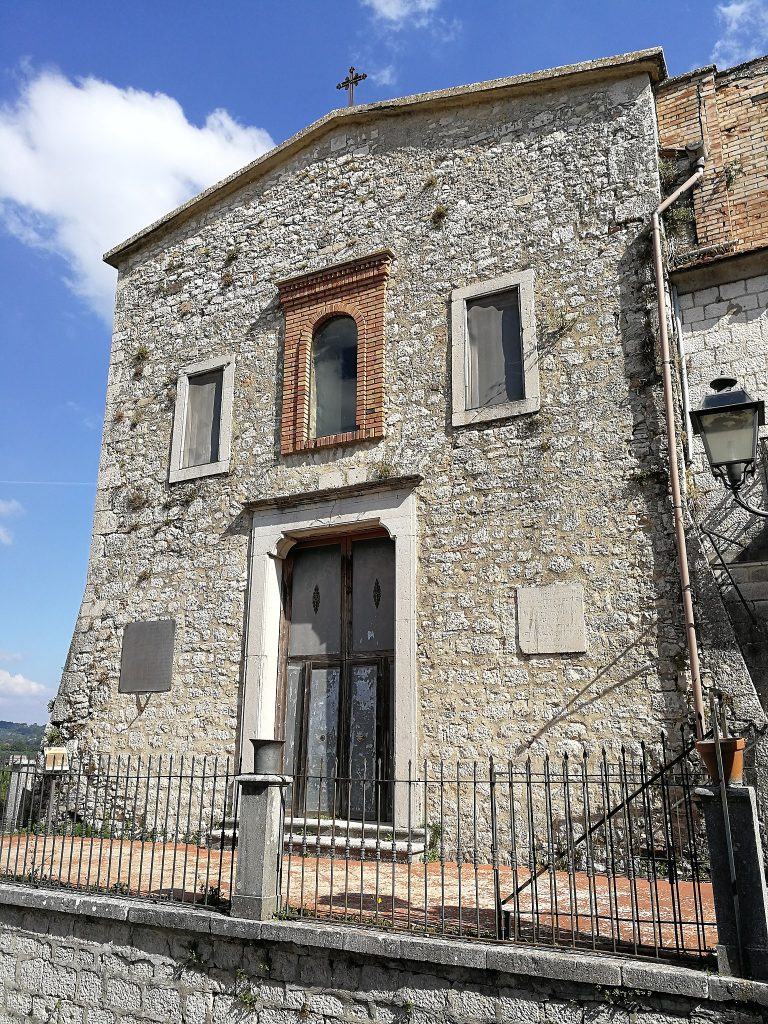
The Parish Church of SS. Salvatore, characterized by its façade in local stone, dates back to the 17th century but has undergone several renovations over the centuries. The interior, with three naves, preserves valuable 18th-century altars.
And the Temple of the Annunziata: built in the 15th century on the walls surrounding the Castle, it is characterised by a bell tower surmounted by a baroque shrine.
A bit of history
Around 980 AD the current village was born and took the name of Pontis Landulphi from the Lombard prince Landolfo who built a bridge over the Lenta stream to access his castle. The town expanded during the period of the wars between the Guelphs and Ghibellines where many came to find refuge.
It suffered two sieges in 1138 and 1462, the first by Roger the Norman and the second on the initiative of Ferdinand I of Aragon. Numerous damages due to the various earthquakes that hit the Sannio and in particular by the earthquake of 1456 and that of 1688.
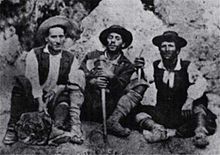
An interesting historical fact could be from August 14, 1861 where Pontelandolfo was the scene, together with nearby Casalduni, of a military action of the then newly formed Italian Royal Army in retaliation for the killing by local bandits of 45 soldiers that occurred in Casalduni on August 7 of that year. No official data were provided on the total number of victims of the repression. In Pontelandolfo it was a real massacre: sharpshooters descended on the town, shot everyone they encountered, looted, massacred the men, raped and killed women and children, set fire to the houses, and played target shooting with the unfortunates who fled from the burning homes.

Curiosity
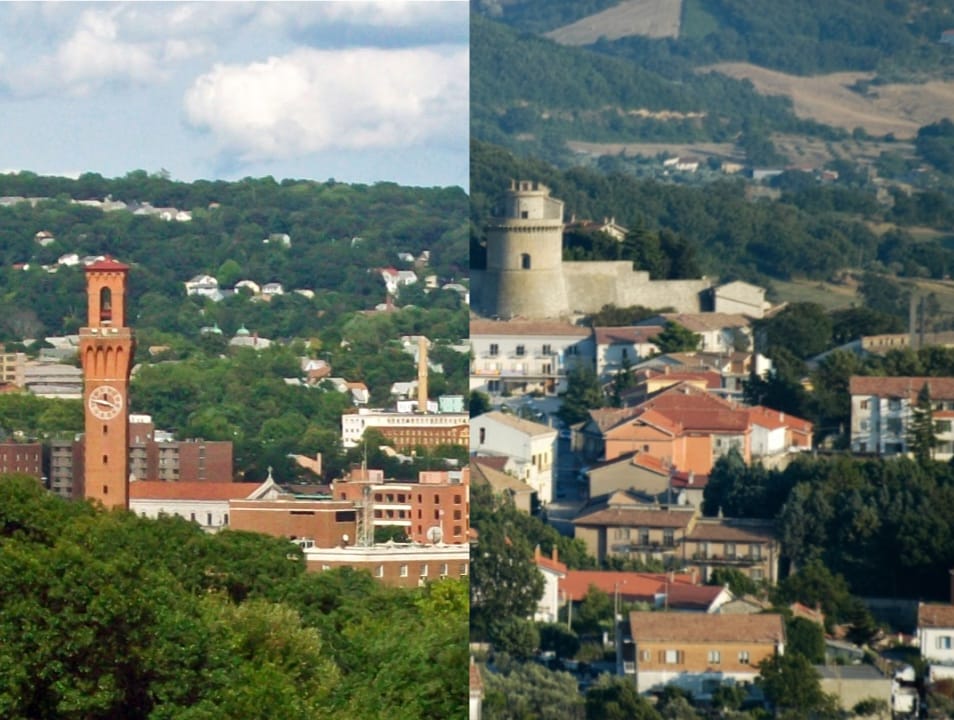
The town is twinned with the city of Waterbury, in the state of Connecticut in the United States of America. The town is one of the many destinations of the emigrants from Pontelandolfo who, during the 19th and 20th centuries, crossed the Atlantic Ocean, spreading out between Canada, the USA and Latin America. In Waterbury the emigrants and their descendants have founded an association: the Pontelandolfo Community Club, where they meet surrounded by structures erected to resemble characteristic elements of the town of origin, such as the ancient tower that overlooks the main square of the village.
The musical group Stormy Six dedicated a song to the massacre of 1861 called Pontelandolfo.