

History
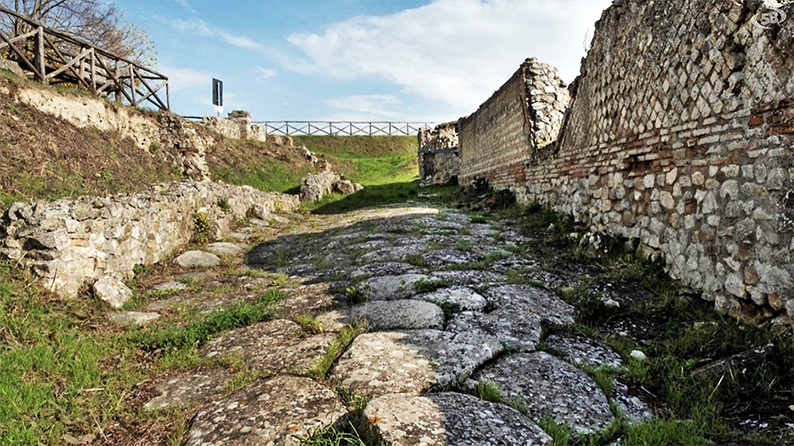
The Appian Way, historically known as “Regina Viarum” (queen of roads), is one of the most famous Roman roads, built in 312 BC to connect Rome to Capua. Over the centuries, its route was extended to Brindisi, serving as a fundamental artery for commercial, military and cultural exchanges between Rome and the southern regions.

On 27 July 2024, during the 46th session of the UNESCO World Heritage Committee in New Delhi, the “Via Appia. Regina Viarum” was officially inscribed on the World Heritage List. This recognition represents the 60th Italian site inscribed on the UNESCO list, underlining the historical and cultural importance of this ancient road.
The recognized route includes various stretches of the regions of Lazio, Campania, Basilicata and Puglia, highlighting the outstanding universal value of the Appian Way as an extraordinary feat of engineering and as a crossroads of cultures over the centuries.
This recognition not only celebrates the historical legacy of the Appian Way, but also offers new opportunities for the enhancement and protection of cultural heritage along its route, while promoting cultural tourism and knowledge of this extraordinary legacy of the past.
Interactive map
Click on the buttons on the map and discover the wonders of the Regina Viarum!
The ancient appian way ecomuseum
L’Ecomuseo che si estende dal territorio di Benevento fino a Venosa, passando per l’antica città di Aeclanum, rappresenta un viaggio affascinante attraverso secoli di storia, arte e archeologia. Questo percorso, che si snoda attraverso paesaggi ricchi di testimonianze storiche, è un invito a riscoprire e valorizzare un patrimonio unico che racconta le radici culturali di un’intera regione.
Il cuore dell’Ecomuseo è rappresentato dalla mappa digitale interattiva, uno strumento innovativo che permette di esplorare i principali siti di interesse storici, artistici e archeologici lungo il tratto che collega Benevento, Aeclanum e Venosa. Ogni punto del percorso è arricchito da informazioni dettagliate, immagini e descrizioni che permettono al visitatore di immergersi nella storia di questi luoghi, scoprendo tesori nascosti e monumenti che testimoniano l’evoluzione delle civiltà che hanno abitato la regione.
A partire da Benevento, con la sua celebre Architettura Longobarda e il Teatro Romano, il viaggio prosegue verso Aeclanum, antica città sannita che custodisce un’importante necropoli e affascinanti resti di templi e abitazioni. Infine, la tappa finale a Venosa, famosa per il Parco Archeologico e il Castello, offre una panoramica sulla romanità e sull’arte medievale, con il suo legame profondo con la storia della letteratura e della cultura italiana, grazie alla figura di Orazio.
Questa mappa interattiva non è solo uno strumento di visita, ma anche un invito a conoscere e apprezzare il patrimonio naturale che fa da cornice a questi siti, integrando in modo armonioso storia, arte e paesaggio. L’Ecomuseo offre una modalità di fruizione dinamica e coinvolgente, che permette di esplorare in modo innovativo il patrimonio culturale della regione, riscoprendo la bellezza e la ricchezza di una storia che continua a vivere nel presente.
Not to be missed
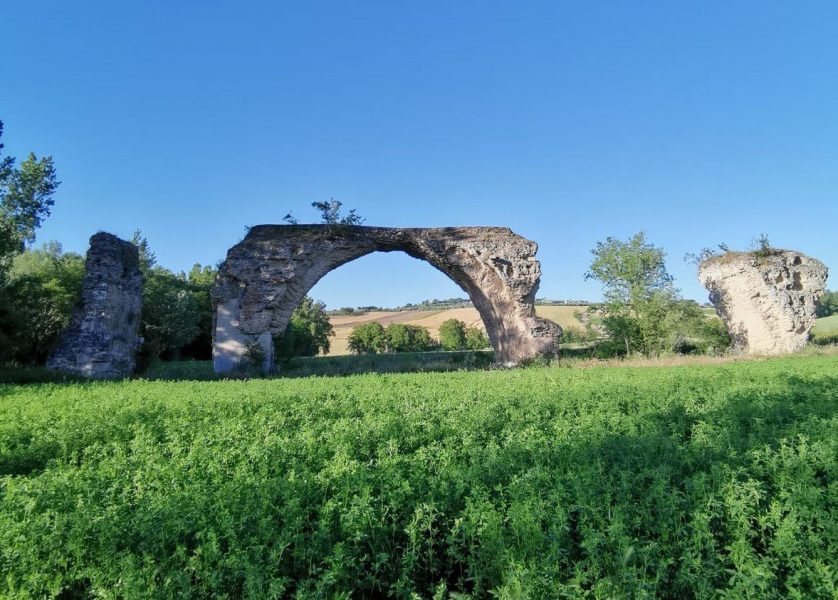
The route from Benevento to Venosa along the historic Via Appia is a fascinating journey that combines breathtaking landscapes and archaeological sites of great historical and cultural value. Here are some of the main places you shouldn’t miss along this ancient road, which for centuries was one of the most important arteries of the Roman Empire.
1. Benevento – Arc of Traiano
The city of Benevento, with its rich Roman and medieval history, is the ideal starting point for the trip. The Arch of Trajan is one of the most significant examples of Roman architecture in Italy. Built to celebrate the emperor Trajan, the arch is richly decorated with reliefs that tell of his victories. The visit to Benevento can continue with the Roman Theater and the Temple of Isis, other important archaeological finds that testify to the greatness of the city in Roman times.
2. Aeclanum – Archeological Excavations
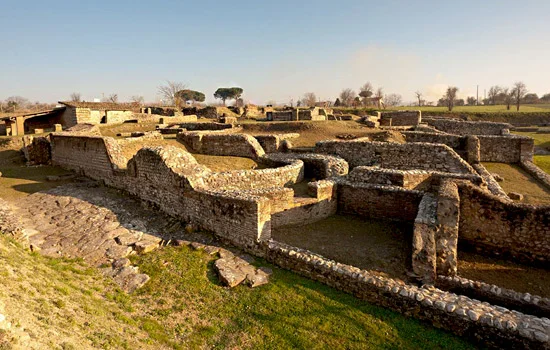
Continuing east, you reach Aeclanum, an ancient Samnite city, later Romanized, which preserves extraordinary archaeological remains. Here, you can visit a well-preserved necropolis, houses, baths and a forum. Aeclanum represents an important testimony of the Samnite culture and Roman influence on the area. Do not miss the Theater and the remains of the Paleochristian Basilica, which are among the highlights of this archaeological site.
3. Venosa – Archaeological Park and Castle
Arriving in Venosa, the birthplace of the Roman poet Horace, you are immersed in another fundamental chapter of Roman history. The Archaeological Park of Venosa offers a vast area of excavations that include the remains of villas, baths, temples and an imposing amphitheatre. Don’t miss the Castello di Venosa, a medieval fortress built on the remains of an ancient Roman structure, which dominates the surrounding landscape and offers a spectacular view of the valley.
4. The Ancient Appian Way – Preserved Traits
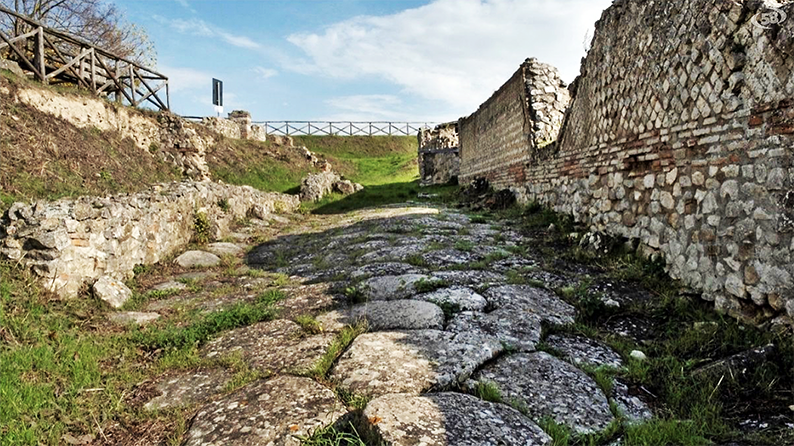
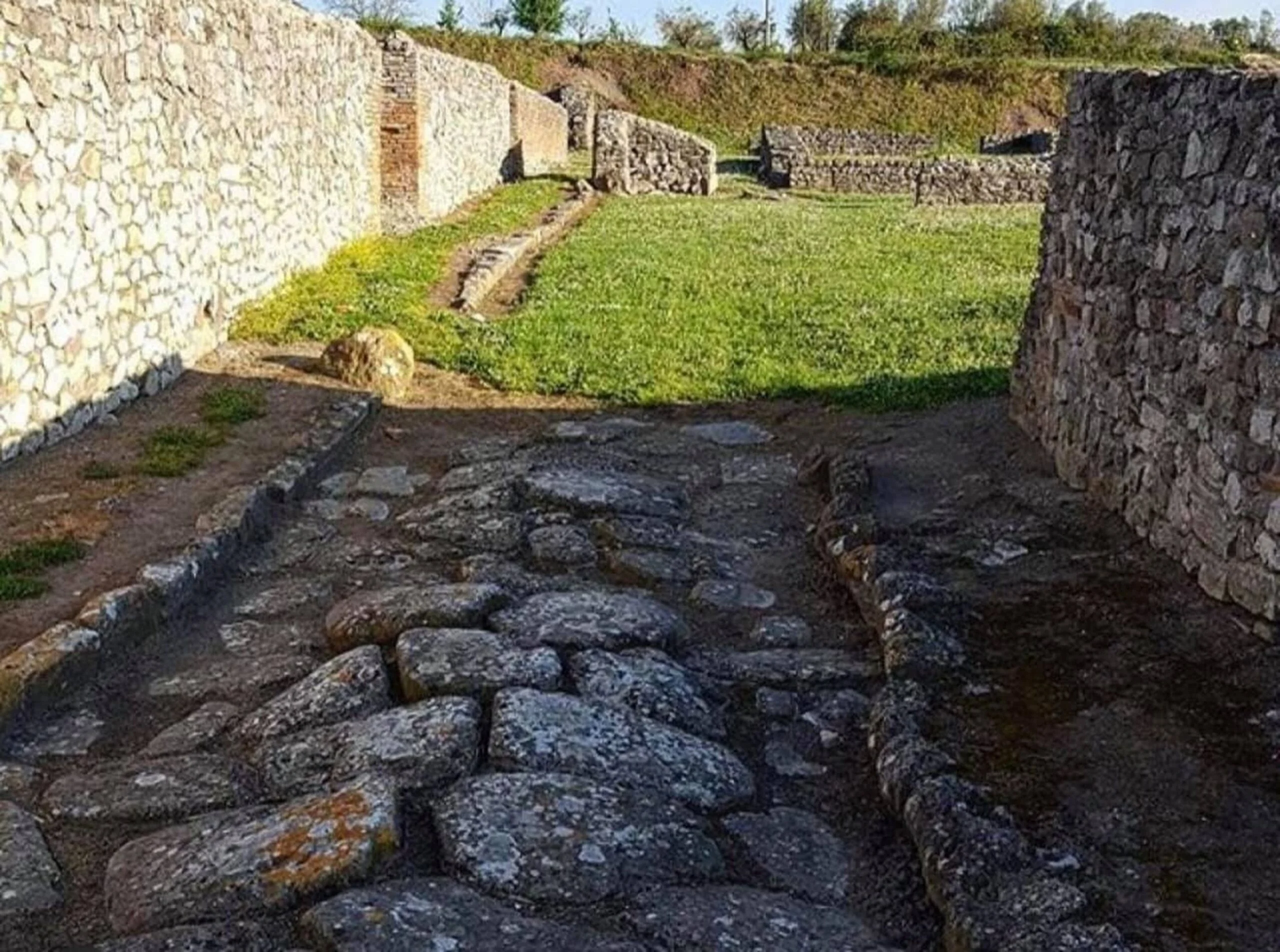
Along the way, you can walk along well-preserved stretches of the Via Appia Antica, where you can still admire the original stones of the Roman route. Walking on these stretches, you can breathe in the history of the “Regina Viarum”, the ancient highway that connected Rome to Campania and Puglia, passing through rural landscapes that preserve the beauty of times gone by.
5. The natural landscape
In addition to the archaeological sites, one cannot fail to appreciate the landscape that accompanies the Appia Antica, which crosses hills, plains and valleys, with suggestive views that make the route particularly fascinating. The stretch between Benevento and Venosa offers breathtaking views, including the countryside and the vineyards of the area, which produce some of the best wines in Italy.
Conclusions
This stretch of the Appian Way is a true immersion in history, where art, archaeology and nature blend together in a journey that tells of centuries of culture and civilization. Every step along the Appian Way is an opportunity to discover the past, and the sites to visit are as numerous as they are fascinating. Whether you are an archaeology enthusiast, a history enthusiast or simply a lover of the beauty of Italian landscapes, this journey is an experience that will remain in your heart.
Website: http://appiaunesco.cultura.gov.it/appia/