

Location
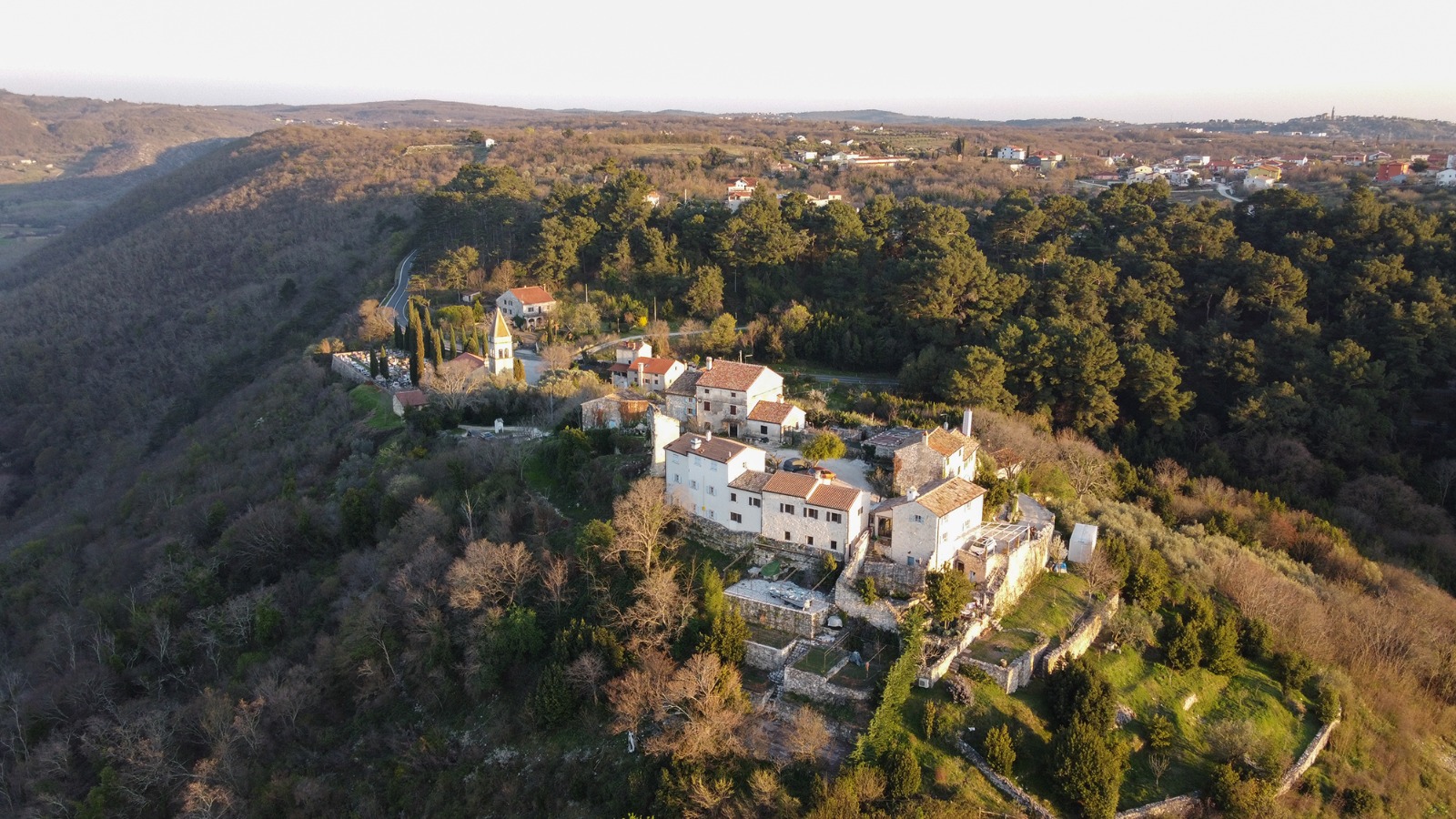
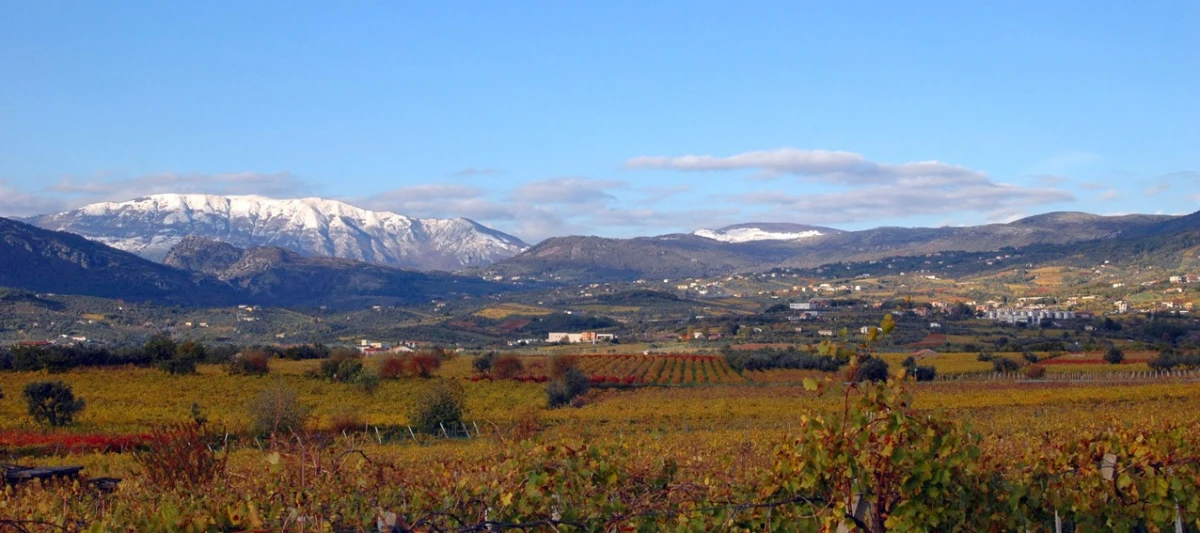
Castelvenere is a charming town in the Sannio region, nestled on the beautiful hills of the Telesina Valley. Its main feature is wine production, an exceptional production in terms of quantity, quality, and the number of DOC wines available.
The scenic landscape is the main attraction for an unforgettable trip. The municipal territory extends over 15 square kilometers to the northwest of the provincial capital, with uneven and flat terrain, interspersed with panoramic hills and shady valleys. These are surrounded by century-old and modern vineyards and olive groves that form a crown around the historic center.
Castelvenere is a village where everyone knows each other, and where the warmth and hospitality that still characterize these inland areas of Campania are evident. It offers a welcoming and heartfelt reception.
Not to be missed
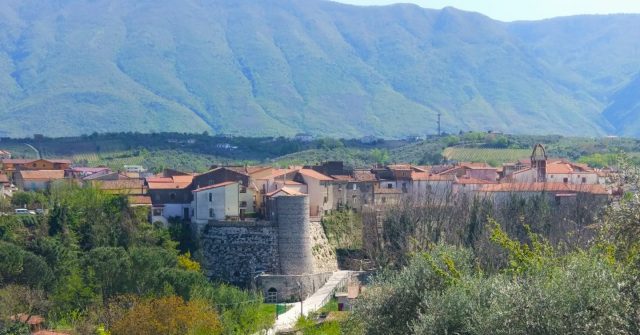
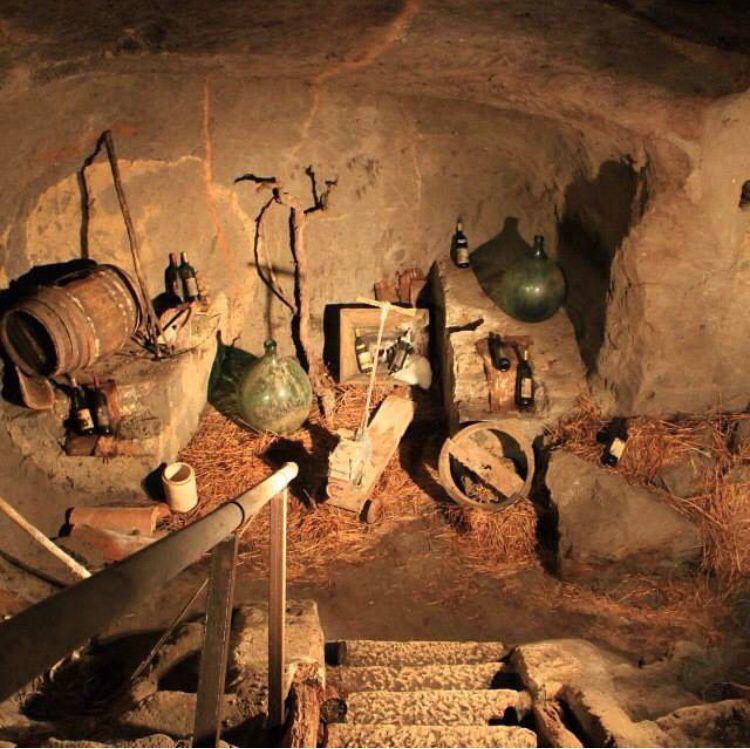
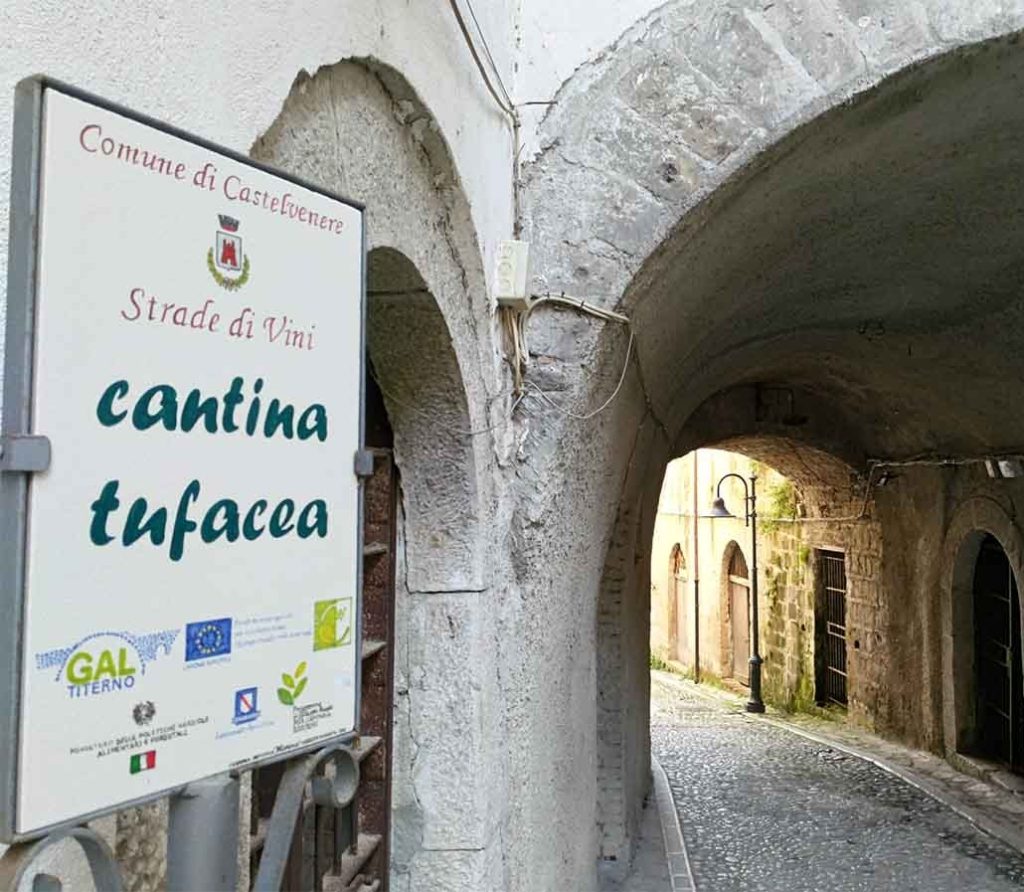
The ancient medieval village with its towers, moat, Piazza Mercato, and the Museum of Agricultural Traditions is characterized by architecture, urban planning, towers, and tuff cellars dating back to the 14th century. The museum is located in Palazzo Barone, where four exhibition sections are set up. Here, you can find tools used for agricultural and domestic work, as well as tuff cellars. The museum also displays photographs of the community, popular festivals, agricultural moments, and religious celebrations. It holds a collection of ancient memories, archaeology, and prehistory.
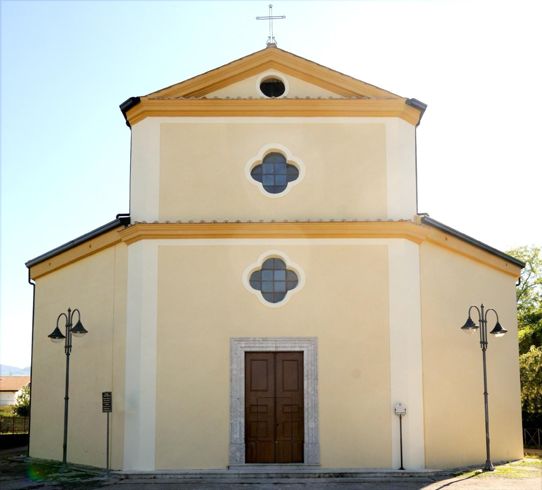
The Church of Madonna della Seggiola, designed in 1899, stands on the site where, in 1898, the ancient pile-dwelling was discovered. It is also known as the Church of Madonna della Foresta.
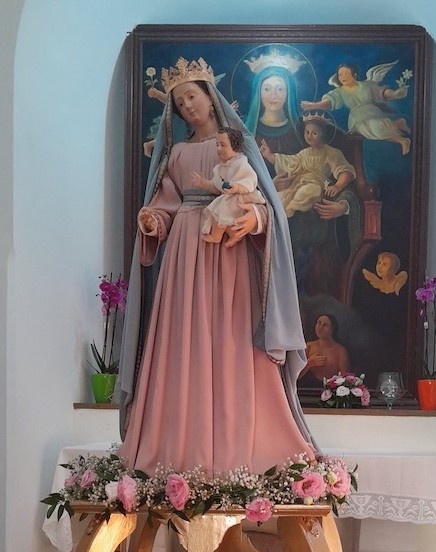
NATURAL ITINERARIES – Rascolagatti Park; the San Barbato trail (which connects the historic center to the Church of Madonna della Foresta); the Seneta Oasis.
SCENIC POINTS OF INTEREST – Panoramica Street; Foresta Street; San Rocco Street.
A bit of history
The original name of the town was Vèneri, possibly because there was once a dedicated area in the region. From 1151 to 1460, it was the fief of the Sanframondo family, of Norman origin. In 1861, it became part of the province of Benevento. In 1898, excavations revealed a pile-dwelling settlement, where bones of mouflon, cores, and flint points from the Iron Age were found. In 1943, near the Church of Santa Maria della Foresta, three farmers were brutally killed by Nazi soldiers. On February 18, 1999, Cicciano was incorporated into Castelvenere.
Curiosity
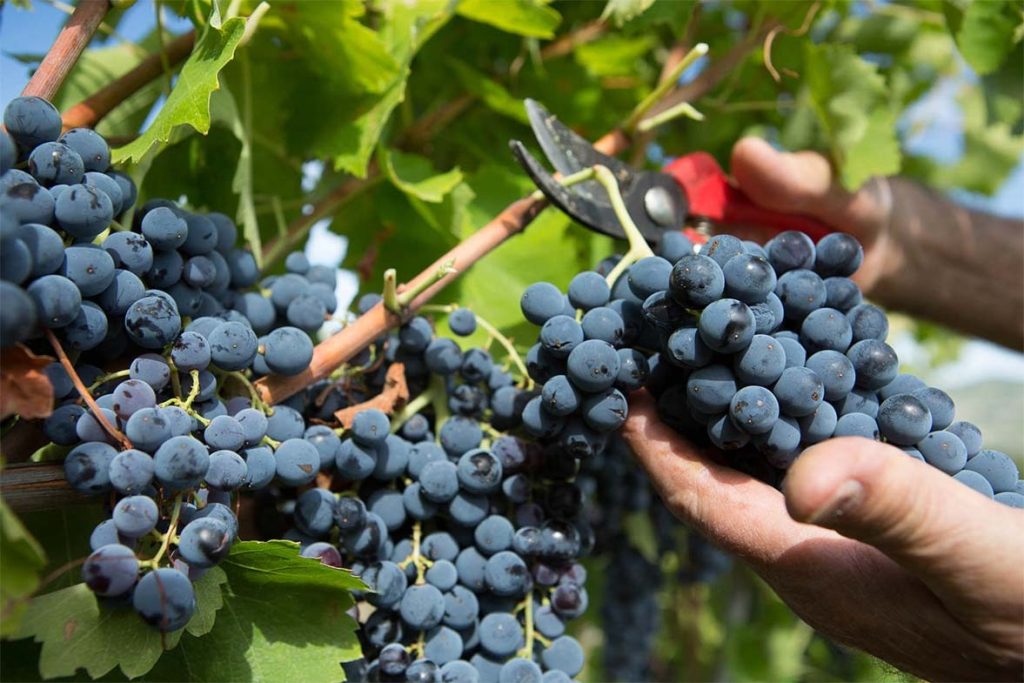
The main characteristic of Castelvenere is its wine production, exceptional both in quantity and quality, which has led to the creation of the Wine Festival, celebrated by the locals every August.
In 2013, the municipality of Castelvenere formed the “Città Telesina” union of municipalities, along with the towns of Amorosi, San Salvatore Telesino, Solopaca, and Telese Terme. In 2019, Castelvenere became the “European Wine City,” thanks to the project “Sannio Falanghina, City of Wine.”
Tour of the historic center